
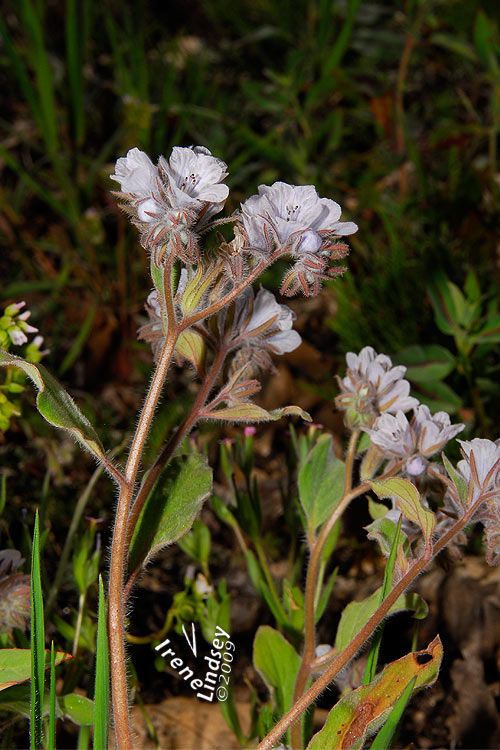
Unveiling the Secrets: How to Propagate the Elusive Phacelia congdonii
The world of botany is full of hidden gems, and Phacelia congdonii, with its delicate lavender blooms and unique fuzzy foliage, is undoubtedly one of them. This rare California native, sadly endangered in its natural habitat, can be a rewarding, albeit challenging, addition to your garden. But fear not, plant enthusiasts! This guide will unveil the secrets of propagating Phacelia congdonii, empowering you to cultivate this beautiful species and contribute to its preservation.
Understanding the Challenges
Before we delve into the how-to, it’s crucial to acknowledge that Phacelia congdonii isn’t the easiest plant to propagate. Its rarity in cultivation stems from specific environmental needs and a somewhat unpredictable nature. However, don’t let that discourage you! Armed with the right knowledge and a dash of patience, success is attainable.
Propagation Methods
There are two primary methods for propagating Phacelia congdonii:
1. Seed Propagation:
- Seed Collection: Seeds should be collected from mature plants in late spring or early summer. Look for seed pods that have turned brown and brittle – a sign that the seeds are ripe.
- Seed Treatment: Phacelia congdonii seeds benefit from cold stratification. You can mimic this natural process by placing the seeds in a moist paper towel, sealing them in a plastic bag, and storing them in your refrigerator for 4-6 weeks.
- Sowing: In the fall, sow the stratified seeds directly into the garden or start them indoors in biodegradable pots. Lightly press the seeds into the soil surface, ensuring they receive adequate light.
- Patience is Key: Germination can be erratic, ranging from a few weeks to several months. Keep the soil consistently moist but not waterlogged during this waiting period.
2. Cuttings:
- Timing is Everything: The ideal time to take cuttings is in early spring when the plant is actively growing.
- Select & Prepare: Choose healthy, non-flowering stems and make a clean cut just below a leaf node. Remove the lower leaves, leaving only a few at the top.
- Rooting Hormone: While not strictly necessary, dipping the cut end in rooting hormone can increase your chances of success.
- Planting & Care: Plant the cuttings in a well-draining potting mix that is kept consistently moist. A humidity dome can be beneficial in providing the right environment for root development.
Tips for Success
- Well-Draining Soil: Phacelia congdonii thrives in loose, well-drained soil. Amend heavy soils with perlite or sand to improve drainage.
- Sun or Shade: While this species prefers partial shade, it can tolerate full sun in cooler climates.
- Water Wisely: Water deeply but infrequently, allowing the soil surface to dry out slightly between watering.
- Pest & Disease Resistant: This hardy plant has minimal issues with pests or diseases, making it a low-maintenance choice for gardeners.
The Rewards of Persistence
Propagating Phacelia congdonii might require a bit more dedication than with some other plants, but the rewards are well worth the effort. Imagine the satisfaction of witnessing the emergence of delicate lavender blooms in your garden, knowing you’ve contributed to preserving this rare and beautiful species for generations to come. So, embrace the challenge, equip yourself with the knowledge, and embark on your own Phacelia congdonii propagation journey. Your efforts will be rewarded with a unique and captivating addition to your green sanctuary.