
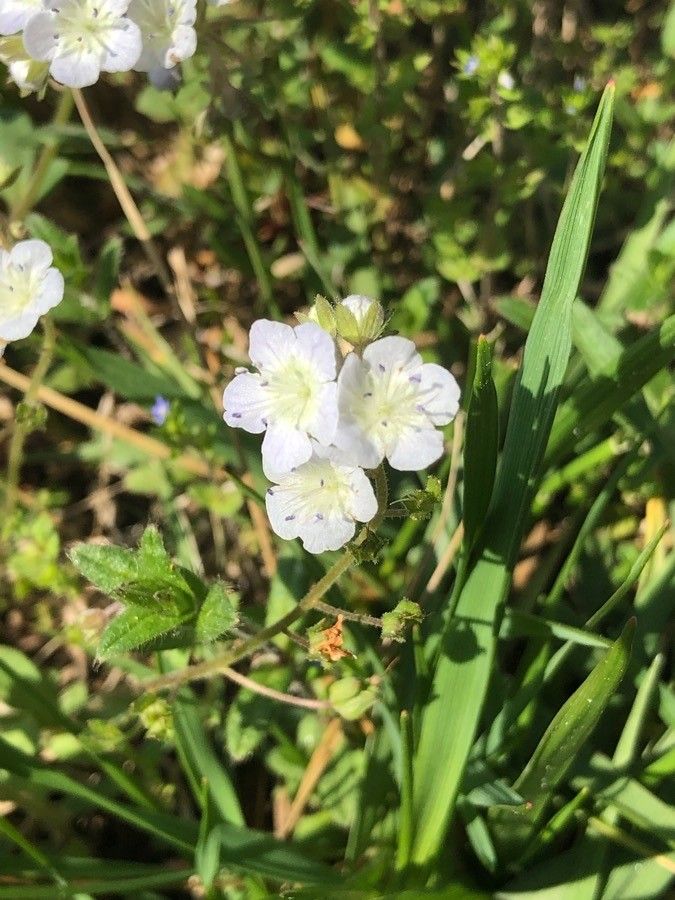
From Tiny Seeds to Wildflower Wonders: Propagating Phacelia dubia
Phacelia dubia, also known as “Purple Heliotrope,” is a vibrant wildflower that brings a burst of color to gardens and meadows. Its striking purple blossoms attract pollinators, making it a valuable asset for anyone promoting biodiversity in their landscape. But did you know that this beautiful plant is incredibly easy to propagate?
This post will guide you through the simple methods of propagating Phacelia dubia, allowing you to share its beauty with others or establish a flourishing patch in your own garden.
From Seed to Seedling:
Phacelia dubia readily reproduces through seeds. Harvesting and sowing seeds is a simple and rewarding process:
- Harvesting Seeds: Once the plant has finished flowering, you’ll find small, brown, kidney-shaped seeds in the seed pods. Let the pods dry completely on the plant, then collect them and gently rub them between your fingers to release the seeds.
- Storing Seeds: Store the seeds in a cool, dry place in a sealed container until ready to plant. Seed viability can last for up to 3 years.
- Sowing Seeds: Direct sowing is the most common method. Simply scatter the seeds on prepared soil in a sunny spot. Phacelia dubia prefers well-drained soil, but it can tolerate a range of conditions. Water the seeds gently and allow them to sprout. Germination typically occurs within 7 to 14 days.
Direct Sowing Time:
- Spring: Sow in early spring as soon as the ground can be worked.
- Fall: Sow in late summer or early fall for a beautiful display the following spring.
Beyond Seed Propagation:
While seed propagation is the most prevalent, Phacelia dubia can also be propagated through cuttings:
- Taking Cuttings: Select healthy stems from the current year’s growth. Snip a 4-6 inch cutting just below a node (the point where a leaf grows from the stem).
- Rooting Cuttings: Dip the cut end of the stem in rooting hormone to encourage root development. Plant the cuttings in a pot filled with a well-draining potting mix, ensuring the bottom leaves are above the soil line. Keep the cuttings consistently moist and maintain a warm environment until roots form.
Creating Your Own Phacelia Oasis:
Once you’ve successfully propagated your plants, you can create a vibrant display of purple blooms:
- Spacing: When planting Phacelia dubia, allow about 12 inches of space between plants to ensure proper airflow and sunlight penetration.
- Watering: Water regularly, especially during dry periods. However, avoid overwatering as it can lead to root rot.
- Fertilizing: Phacelia dubia is a low-maintenance plant and typically doesn’t require fertilizing. If needed, apply a light application of compost.
The Rewards of Propagation:
Propagating Phacelia dubia is not only simple but also incredibly rewarding. By sowing seeds or rooting cuttings, you can enjoy the beauty of this wildflower in your garden, share it with others, and contribute to environmental conservation. Its nectar-rich blossoms attract butterflies and bees, contributing to a thriving ecosystem and a beautiful, vibrant landscape.
So, why wait? Get started with propagating your own Phacelia dubia and let this stunning wildflower bring its beauty and ecological benefits to your garden!