
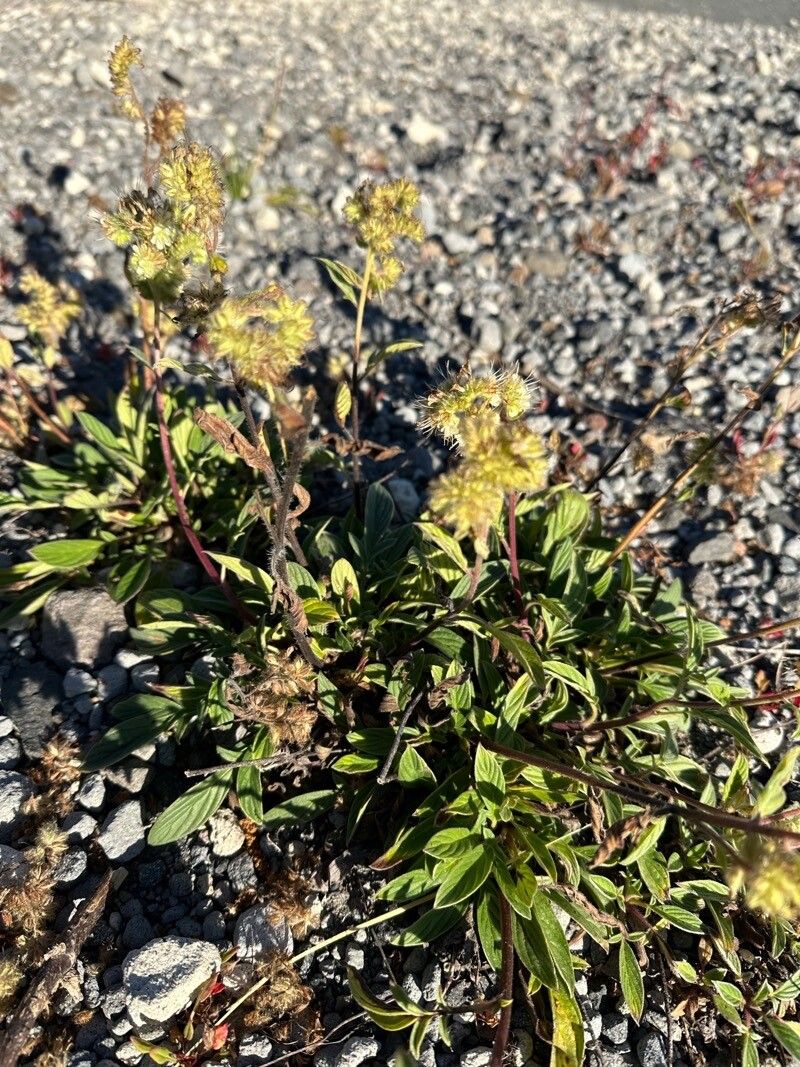
Cultivating Charm: A Guide to Propagating the Elegant Phacelia leptosepala
Phacelia leptosepala, also known as the slender scorpionweed or threadleaf phacelia, is a captivating wildflower renowned for its delicate beauty and ability to attract beneficial insects. Its unique, bell-shaped lavender blossoms and finely divided foliage lend a touch of ethereal charm to gardens, meadows, and natural landscapes. If you’re eager to welcome this captivating plant into your own outdoor space, propagation is surprisingly straightforward. This guide will equip you with the knowledge to successfully cultivate Phacelia leptosepala from seed.
Understanding Phacelia leptosepala
Native to western North America, Phacelia leptosepala thrives in dry, well-drained soils and sunny locations. As a member of the borage family (Boraginaceae), it shares kinship with other beneficial bee-attracting plants. Its adaptability to diverse conditions, drought tolerance, and low-maintenance nature make it a fantastic choice for novice and experienced gardeners alike.
Propagation: The Seed Route
The most reliable and common method for propagating Phacelia leptosepala is through seeds. While you might stumble upon seedlings in nurseries, starting from seed provides a greater sense of accomplishment and allows for larger-scale planting.
Here’s a step-by-step guide to successful seed propagation:
Seed Collection: If you have access to existing Phacelia leptosepala plants, allow the flowers to mature and form seed pods. Once the pods turn brown and dry, they’re ready for collection. Gently break open the pods and collect the tiny, black seeds within.
Direct Sowing: Phacelia leptosepala thrives with direct sowing, mimicking its natural life cycle.
- Timing: Aim to sow seeds in the fall, ideally after the first frost. This allows for natural stratification (exposure to cold temperatures) which promotes germination in the spring.
- Site Preparation: Choose a sunny spot with well-drained soil. Lightly rake the area to loosen the top inch of soil.
- Sowing: Scatter the seeds thinly over the prepared soil and lightly rake them in. There’s no need to bury them deeply, as they require light for germination.
- Watering: Water the area gently but thoroughly.
Indoor Sowing (Optional): You can start seeds indoors 4-6 weeks before your last expected frost for an early start.
- Use a seed starting mix: Sow seeds in individual pots or trays filled with a well-draining seed starting mix.
- Provide Light: Place the pots in a sunny location or under grow lights.
- Harden Off: Gradually acclimate seedlings to outdoor conditions by exposing them to increasing amounts of sunlight and wind over a week or two before transplanting.
- Transplanting: Once all danger of frost has passed, transplant the seedlings to their final location in the garden.
Care and Maintenance
Phacelia leptosepala is incredibly low-maintenance. Once established, it requires minimal watering, especially in areas with regular rainfall. Avoid overwatering, as it can lead to root rot. Deadheading spent blooms is unnecessary and can actually hinder self-seeding, a desirable trait for this wildflower.
Bringing Beauty and Benefits to Your Garden
Propagating Phacelia leptosepala from seed is a rewarding endeavor that invites this enchanting wildflower into your outdoor space. Its delicate beauty, combined with its ability to attract beneficial insects and support biodiversity, makes it a valuable addition to any garden, meadow, or wildflower planting. Embrace the simplicity of seed propagation and enjoy the captivating allure of this charming wildflower.