
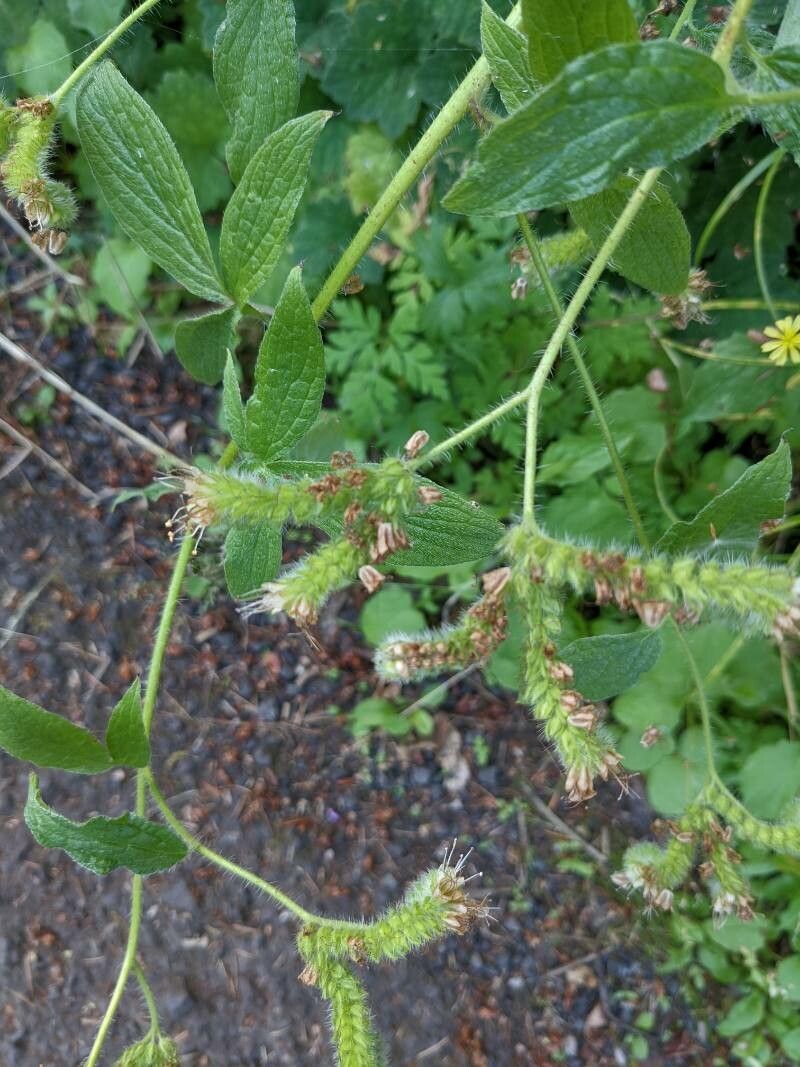
From Seed to Bloom: How to Easily Grow Phacelia nemoralis in Your Garden
Phacelia nemoralis, also known as Meadow Phacelia, is a delightful flowering plant with delicate, bell-shaped blooms that attract pollinators like butterflies and bees. Its airy, blue-violet flowers create a charming display in gardens, meadows, and naturalized areas. But beyond its beauty, Meadow Phacelia is a valuable addition to your garden for its eco-friendly benefits – it’s a superb companion plant and a natural source of helpful insects.
If you’re looking to add some charm and ecological value to your garden, propagating Meadow Phacelia from seed is a great way to get started. This attractive and versatile plant is surprisingly easy to grow, and with a little patience, you can enjoy a vibrant display of blue-violet blooms in no time.
The Magic of Seeds
Meadow Phacelia seeds are readily available online or at garden centers. They are tiny and easy to sow, making them an excellent option for beginners. Here’s a step-by-step guide to ensure your seeds germinate successfully:
Timing is Key: Direct sowing Meadow Phacelia seeds outdoors after the last frost date is ideal. You can also start seeds indoors in trays or pots a few weeks before the last frost.
Finding the Right Spot: Meadow Phacelia thrives in full sun to partial shade. Choose a well-drained location with soil that’s amended with compost or other organic matter to improve drainage and fertility.
Sowing the Seeds: Lightly scatter the seeds on the soil surface and gently press them into the ground. Cover them with a thin layer of soil, no more than ¼ inch deep.
Watering Wisely: Water the seeds thoroughly but avoid overwatering. Keep the soil consistently moist until germination occurs.
- Patience Pays Off: Germination can take anywhere from 7 to 14 days, depending on temperature and moisture levels. Once seedlings emerge, thin them to ensure proper spacing.
From Seedling to Bloom
Meadow Phacelia is relatively low-maintenance and will flourish with a little care.
- Watering: Water regularly, especially during dry periods, to keep the soil consistently moist.
- Fertilizing: A light application of compost or balanced fertilizer in the spring can encourage healthy growth.
- Deadheading: Deadheading the spent flowers will encourage more blooms and prevent self-seeding.
- Winter Preparation: Meadow Phacelia is an annual plant, meaning it completes its life cycle in one year. Allow the seed heads to mature and dry, releasing new seeds for next year’s bloom.
Why Meadow Phacelia is a Garden Hero
Beyond their beauty, Meadow Phacelia plants bring a host of benefits to your garden:
- Pollinator Magnet: The blue-violet flowers are a favorite food source for pollinators such as bees, butterflies, and hoverflies, creating a vibrant ecosystem in your garden.
- Companion Planting Advantage: Meadow Phacelia has insect-repelling properties, making it a natural pest control companion for other plants.
- Soil Enrichment: As a nitrogen-fixing plant, Meadow Phacelia enriches the soil, adding valuable nutrients for other plants to thrive.
Conclusion
Growing Meadow Phacelia from seed is a simple and immensely rewarding experience. It introduces beauty and eco-friendly benefits to your garden, attracting pollinators, enhancing soil health, and adding a delightful touch with its airy blue-violet blooms. So, why not embrace this enchanting plant and let it transform your garden into a haven for nature’s wonders?