
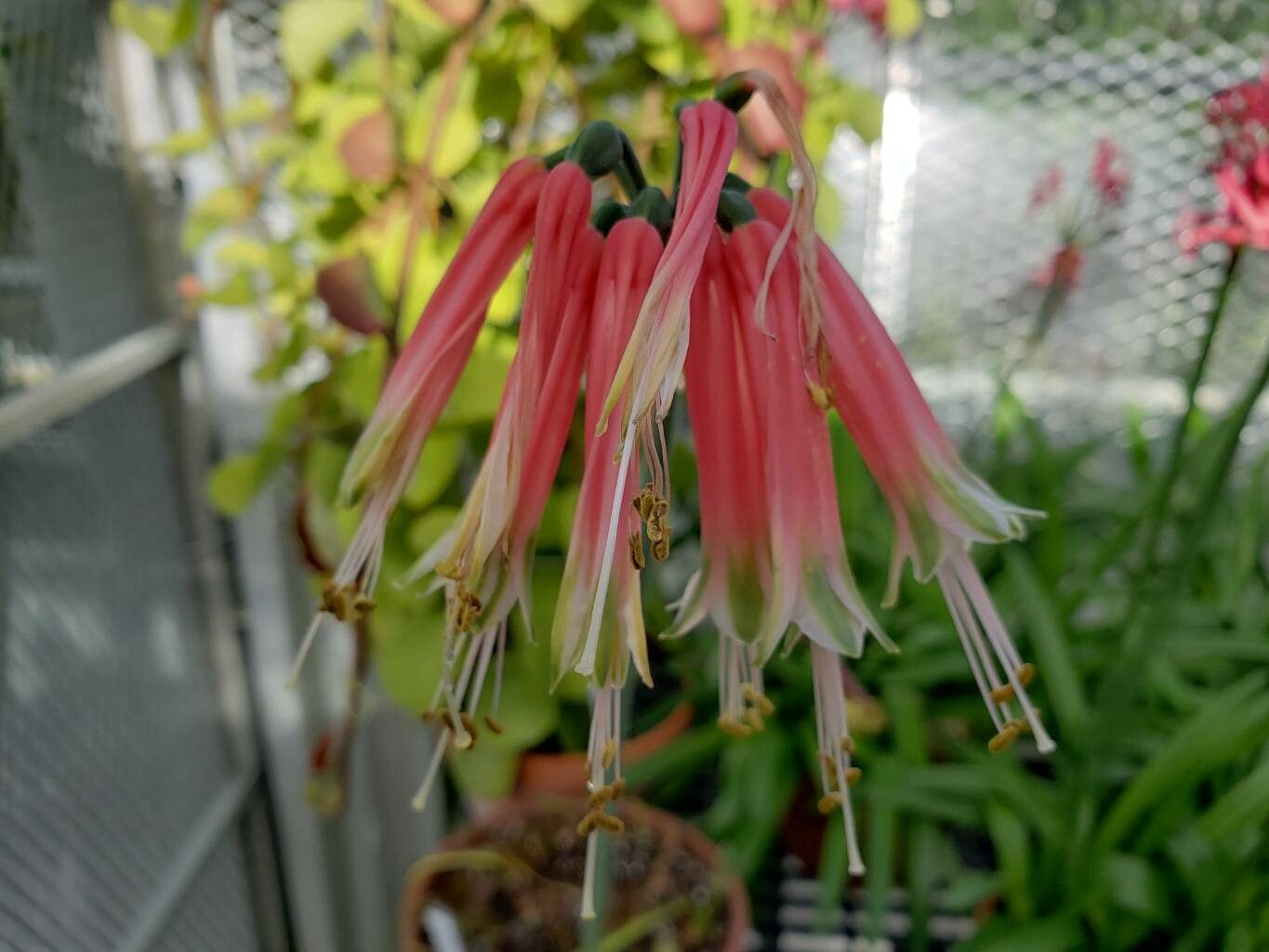
Propagating the Exquisite Amazon Lily (Phaedranassa dubia)
Introduction:
Phaedranassa dubia, commonly known as the Amazon Lily, is a captivating bulbous plant prized for its elegant, trumpet-shaped flowers. These blooms, often a vibrant red-orange with striking markings, appear in late winter or early spring, adding a splash of vibrant color to the garden before many other plants emerge. This relative rarity among garden plants makes its successful propagation a rewarding challenge for the enthusiastic gardener. While not widely cultivated, its unique beauty and intriguing growing requirements make it a highly desirable addition to any collection specializing in unusual bulbs. Its propagation, however, presents some intricacies.
Seed Germination:
Currently, there are no known reliable methods for seed germination propagation of Phaedranassa dubia. While the plant does produce seeds, obtaining viable seeds consistently and achieving successful germination rates remains challenging. Further research is needed to determine optimal germination conditions, including potential stratification requirements or other pre-treatment techniques.
Cuttings:
Propagating Phaedranassa dubia from cuttings is also generally considered unreliable. Unlike some plants, this species does not readily produce adventitious roots from stem or leaf cuttings. Attempts at propagation through cuttings have largely proven unsuccessful.
Division:
Division offers the most reliable method for propagating Phaedranassa dubia. This involves carefully separating the bulb clumps that naturally form over time. The best time to undertake this is during the plant’s dormant period after flowering, typically in late spring or early summer, when the foliage begins to die back.
Challenges: Care must be taken to avoid damaging the delicate bulbs during the division process. Each section should ideally possess a portion of the root system and several healthy buds to ensure successful establishment.
Practical Tips: Use a sharp, clean knife or trowel to separate the bulbs. Handle the bulbs gently to avoid injury. Plant the divided bulbs at the same depth as the original clump, ensuring good drainage.
Rewards: Division provides a relatively quick and efficient method for increasing the number of plants. It maintains the characteristics of the mother plant, unlike seed propagation which introduces genetic variability.
Tissue Culture:
Tissue culture offers a potential but complex pathway for propagating Phaedranassa dubia. This laboratory-based technique involves cultivating plant tissues in a sterile, nutrient-rich medium to generate new plants.
Challenges: Establishing effective tissue culture protocols for Phaedranassa dubia requires specialized knowledge, sterile equipment, and a controlled environment. Challenges may include identifying optimal media formulations and growth regulators to stimulate shoot and root development.
Practical Tips: This method is best left to experienced tissue culture specialists with access to the necessary resources.
Rewards: Tissue culture offers the potential for rapid mass propagation of genetically uniform plants, which could be invaluable for commercial cultivation or the conservation of rare varieties.
Conclusion:
Successfully propagating Phaedranassa dubia presents unique challenges. While seed and cutting propagation prove unreliable, division offers a viable, albeit delicate, method for propagation. Tissue culture holds potential for large-scale production but demands advanced laboratory skills and resources. The rewards, however, are substantial. The satisfaction of cultivating this stunningly beautiful and relatively rare Amazon Lily from a small offset, or even through more advanced techniques, far outweighs the initial hurdles. For those willing to embrace the challenge, experimenting with division, combined with diligent care and observation, will offer the greatest chance of success in expanding a cherished collection of these exquisite plants. Remember that patience and meticulous attention to detail are key to success with this unique and rewarding bulb.