
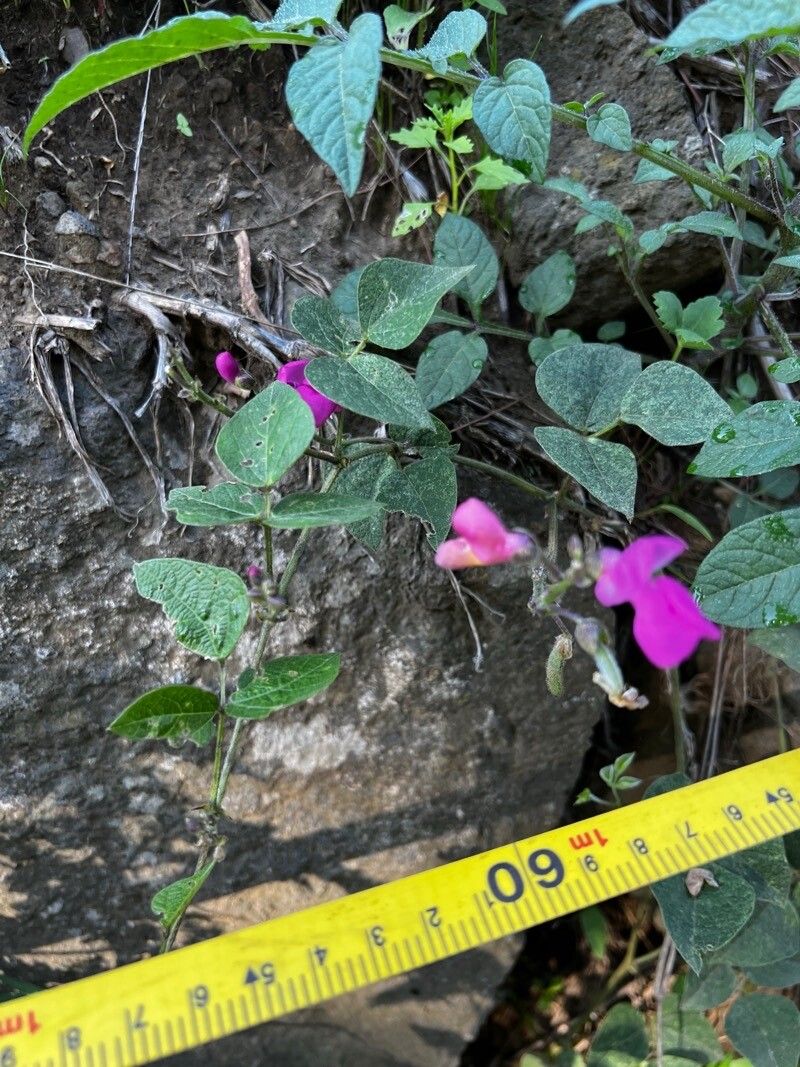
Unlocking the Secrets of Scarlet Runner Bean’s Wild Cousin: Propagating Phaseolus pedicellatus
You might know the Scarlet Runner Bean (Phaseolus coccineus) for its vibrant flowers and tasty beans. But have you ever heard of its fascinating cousin, Phaseolus pedicellatus? This wild relative, native to the Americas, boasts similar charm with its delicate pink blossoms and intriguing bean pods. Whether you’re a seasoned gardener or a curious beginner, learning to propagate Phaseolus pedicellatus can be a rewarding experience. Let’s delve into the secrets of multiplying this unique plant!
Two Paths to Propagation
Much like its cultivated cousin, Phaseolus pedicellatus can be propagated through two primary methods:
Seed Propagation: This method, mimicking the natural life cycle, offers a rewarding journey from seed to plant.
Source Your Seeds: While commercially available seeds are rare, you might find specialty seed savers or online communities sharing them. If you’re lucky enough to have access to a mature plant, allow some pods to fully dry on the vine. These will hold the treasure – mature seeds ready for your propagation endeavors!
- Sowing the Seeds: Like most beans, Phaseolus pedicellatus seeds benefit from scarification. Gently nick the seed coat with a file or sandpaper to improve water absorption. Plant the seeds about an inch deep in well-draining soil and keep them consistently moist. With warmth (around 70°F) and patience, you can expect germination within a couple of weeks.
Cuttings: A faster route, cuttings allow you to create a clone of the parent plant. This method is ideal if you want to preserve the specific traits of a particular Phaseolus pedicellatus specimen.
Taking the Cutting: Select a healthy, non-flowering stem tip about 4-6 inches long. Make a clean cut just below a leaf node (where the leaf attaches to the stem).
- Encouraging Root Development: Remove the lower leaves, leaving only a couple at the top. Dip the cut end in rooting hormone (optional, but helpful) and plant it in a moist, well-draining potting mix. Maintain humidity around the cutting by covering it with a plastic bag or using a humidity dome.
- Signs of Success: Within a few weeks, your cutting should develop roots and show signs of new growth. Once established, you can transplant it to a larger pot or directly into your garden.
Caring for Your Propagated Plants
Phaseolus pedicellatus, like most beans, thrives in warm, sunny locations and well-drained soil. Provide a sturdy support structure for this climbing vine to reach its full potential. Regular watering, especially during dry spells, is essential. While this species is relatively low-maintenance, be sure to watch for common pests and diseases and take action if needed.
A Rewarding Endeavor
Propagating Phaseolus pedicellatus might require a tad more effort than its readily available relatives, but the reward is well worth it. As you witness the miracle of new life, whether sprouting from seed or taking root from a cutting, you’ll gain a deeper appreciation for this unique and beautiful plant. So, why not embark on this rewarding journey and unlock the secrets of propagating Phaseolus pedicellatus in your own garden?