
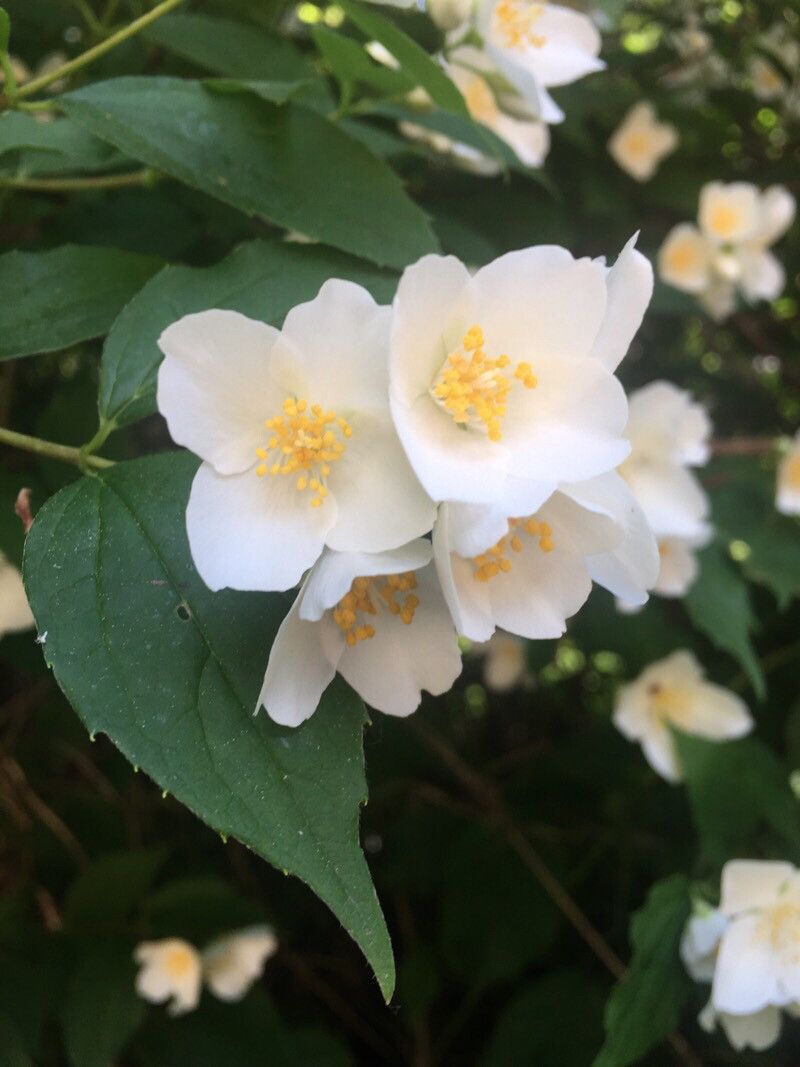
Sweet Success: Propagating Your Very Own Mock Orange (Philadelphus coronarius)
Philadelphus coronarius, known commonly as sweet mock orange or simply mock orange, is a beloved garden staple for a reason. Its intoxicating citrusy fragrance in late spring is a sensory delight, and its showy white blossoms add a touch of elegance to any landscape. But did you know that sharing this fragrant beauty with friends and expanding your own mock orange haven is easier than you think? Let’s dive into the world of propagating Philadelphus coronarius!
Why Propagate?
Propagation, the process of creating new plants from existing ones, allows you to multiply your favorite garden treasures without breaking the bank. With mock orange, it’s relatively straightforward and offers a rewarding way to expand your garden or share its charm with fellow plant enthusiasts.
Methods for Mock Orange Success:
1. Softwood Cuttings: This method boasts high success rates and is best undertaken in late spring or early summer when the new growth is pliable but mature.
- Tools of the Trade: Sharp pruning shears or a knife, a pot with drainage holes, rooting hormone (optional but recommended), and a well-draining potting mix.
- The Process:
- Select healthy stems of new growth, ideally around 4-6 inches long.
- Make a clean cut just below a leaf node (where a leaf emerges from the stem).
- Remove leaves from the lower third of the cutting.
- Dip the cut end in rooting hormone, tapping off any excess.
- Plant the cutting in the prepared pot, ensuring the leaf nodes are covered with the potting mix.
- Water thoroughly and cover the pot with a clear plastic bag or humidity dome to create a greenhouse-like environment.
- Place the pot in a bright location out of direct sunlight.
- Check for root development after a few weeks. Gently tug on the cutting – resistance indicates roots are forming.
- Once roots are established (usually in several weeks), gradually acclimate the cutting to outdoor conditions before transplanting.
2. Hardwood Cuttings: If you missed the boat on softwood cuttings, fear not! Hardwood cuttings taken in late fall after leaf drop can also be successful.
- The Setup: Similar to softwood cuttings, gather your pruning shears, pot, drainage, and potting mix. Rooting hormone is highly recommended for hardwood cuttings.
- The Steps:
- Choose mature, dormant stems that are at least pencil-thick.
- Cut 6-8 inch sections, making a straight cut just below a node at the bottom and a slanted cut above a node at the top.
- Dip the bottom inch of the cutting in rooting hormone.
- Plant the cuttings in your prepared pot, burying about two-thirds of their length in the mix.
- Water thoroughly and place the pot in a sheltered location outdoors or in a cool, dark area like a garage.
- By spring, roots should have formed. Transplant the rooted cuttings into larger pots or directly into the garden when the weather warms up.
Tips for Success:
- Always use sharp, clean tools to prevent disease transmission.
- Choose healthy, vigorous parent plants for your cuttings.
- Be patient! Propagation takes time and care.
- Provide consistent moisture and humidity, especially for softwood cuttings.
Propagating your own Philadelphus coronarius is an achievable and satisfying way to expand your fragrant garden haven. With a little effort and these tips, you’ll be enjoying the sweet perfume and delightful blooms of your very own mock orange offspring for years to come!