
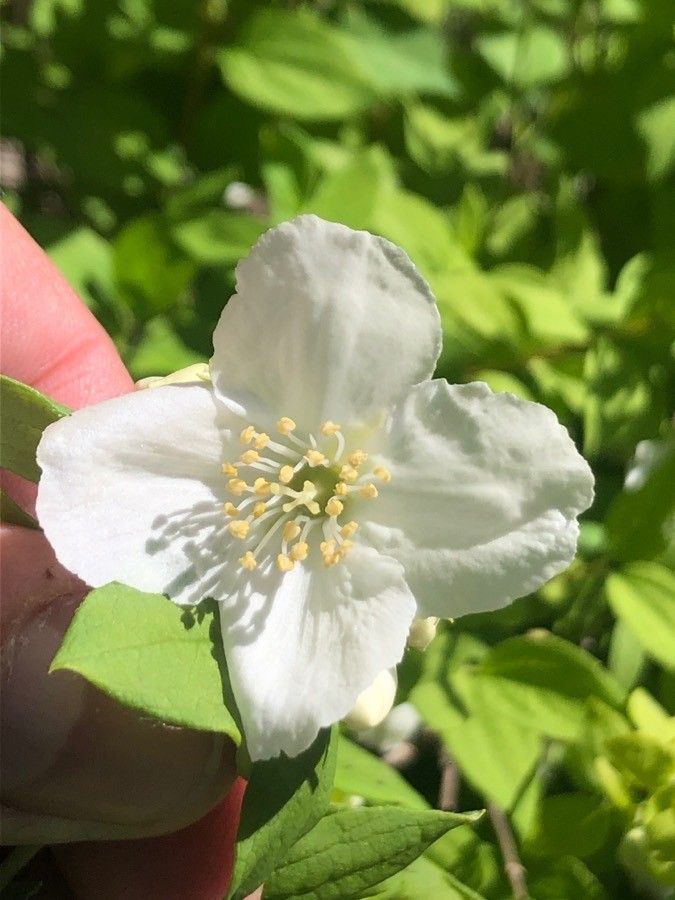
Tiny Leaves, Big Dreams: Propagating Your Own “Mock Orange” (Philadelphus microphyllus)
If you’re a gardening enthusiast, you’ve likely encountered the sweet, heady fragrance of mock orange (Philadelphus) in bloom. And for those seeking a more compact and manageable variety, the “Philadelphus microphyllus” – with its charmingly petite leaves – is a delightful choice. But don’t let the small size fool you; this plant is just as capable of thriving as its larger cousins. And the good news is, you can easily propagate your own mock orange, creating a fragrant haven in your garden.
Unlocking the Secrets of Propagation
Propagation is the process of creating new plants from existing ones, and with Philadelphus microphyllus, there are two primary methods you can use:
- Cuttings: This involves taking small sections of stem and encouraging them to develop roots. Choose a healthy stem, preferably semi-hardwood, with several nodes (bumps where leaves grow). Make a clean cut just below a node and remove the leaves from the bottom inch or two. Dip the end of the cutting into rooting hormone and insert it into a moist potting mix. Keep the cutting in a warm, bright location, but out of direct sunlight.
- Layering: This method takes advantage of the plant’s natural inclination to root from branches that touch the ground. Choose a healthy branch, bend it down to the ground, and bury a section of the stem in the soil. Secure the branch in place with a wire or rock. Over time, the buried section will develop roots and can then be separated from the mother plant.
Timing Is Key
Both methods are most successful during the late spring or early summer, when the plant is actively growing. This is when the stem tissues are most receptive to rooting.
The Magic of Rooting Hormone
Rooting hormone is a helpful tool that promotes root development. While not absolutely essential, it significantly increases your chances of success. This hormone contains auxins, natural plant growth regulators that encourage root formation.
Patience is a Virtue
It takes time for new roots to develop, typically anywhere from a few weeks to a few months. Patience is key. Keep the cuttings or layers watered regularly and ensure they are receiving enough light.
Transitioning to Independence
Once they’ve developed a strong root system, you can slowly acclimatize your new plants to life outside their propagation environment. This involves gradually exposing them to the outdoor conditions for increasing periods. Patience and observation are crucial during this phase.
Enjoying the Fruits (or Flowers) of Your Labor
Once your propagated mock orange plants are established, you’ll be rewarded with their graceful, fragrant blooms. You can share them with friends, create a flourishing garden bed, or use them to enhance the aesthetic appeal of your patio or walkway.
Propagation is a rewarding journey that allows you to enjoy the beauty of your favorite plants while contributing to the flourishing of your garden. So, embark on the adventure of propagating your own Philadelphus microphyllus and watch as your garden transforms into a fragrant haven. Happy propagating!