
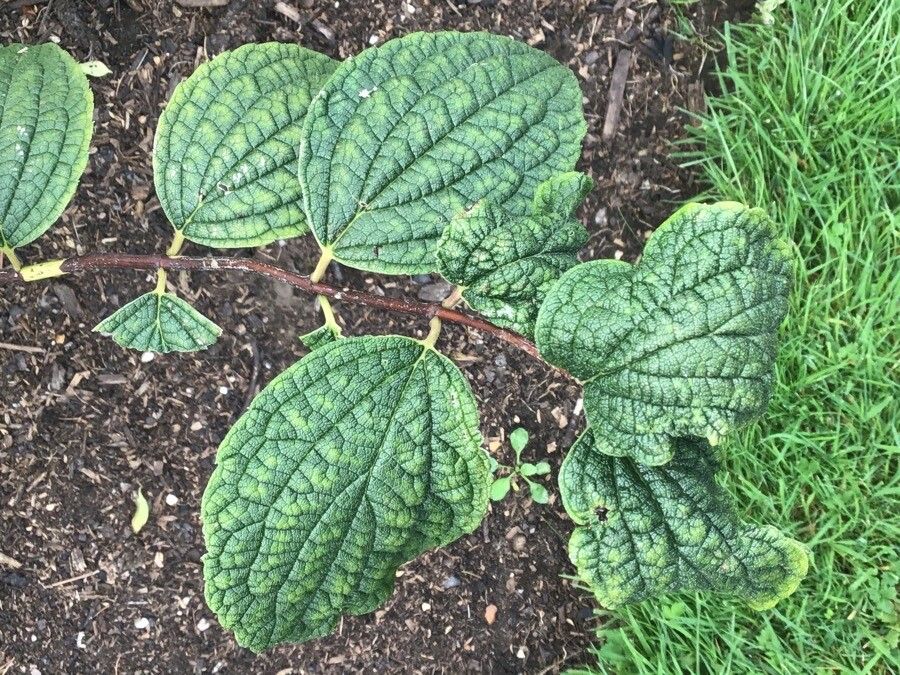
Unlocking the Secrets of Philadelphus subcanus Propagation: Grow Your Own Fragrant Garden
Philadelphus subcanus, also known as the Chinese mock orange, is a delightful shrub prized for its intoxicating fragrance and delicate white blooms. If you’re looking to expand your garden with this aromatic beauty or share its magic with a fellow plant enthusiast, understanding propagation is key. This article delves into the methods of propagating Philadelphus subcanus, empowering you to grow this fragrant treasure.
Method 1: Hardwood Cuttings – A Tried and True Approach
Hardwood cuttings, taken during the plant’s dormant season (late fall to early spring), offer a reliable method for propagating Philadelphus subcanus. Here’s how:
- Prepare the Cuttings: Select healthy, mature stems that haven’t flowered. Cut a 6-8 inch section below a node (where the leaf attaches to the stem), making a clean cut at a 45-degree angle.
- Wound the Cuttings: Lightly wound the base of each cutting by scraping a small section of bark. This encourages root formation.
- Hormone Treatment (Optional): Dip the wounded ends in rooting hormone powder to further stimulate root growth.
- Planting the Cuttings: Insert the cuttings into a pot filled with a well-draining soil mix, leaving about a third of the cutting above the soil.
- Overwintering and Care: Water the cuttings thoroughly and store them in a protected, cool location until spring. Ensure the soil remains moist but not waterlogged.
- Transplanting: Once new growth appears, transplant the successfully rooted cuttings into individual pots or your desired garden location.
Method 2: Softwood Cuttings – Embracing the Growing Season
During the active growing season in late spring or early summer, softwood cuttings offer another viable propagation route:
- Cutting Selection: Choose new growth stems that are flexible and have not yet begun to harden. Cut a 4-6 inch section just below a node.
- Prepare the Cuttings: Remove the leaves from the lower two-thirds of the cutting and wound the base slightly as with hardwood cuttings.
- Rooting Hormone: Dip the base in rooting hormone powder.
- Planting and Environment: Plant the cuttings in a moist, well-draining potting mix and create a humid environment by covering the pot with a plastic bag or using a propagation dome.
- Care and Transplanting: Keep the soil consistently moist and provide indirect sunlight. Once roots develop and new growth emerges, gradually acclimate the cuttings to outdoor conditions before transplanting.
Tips for Success:
- Timing is everything: Following the recommended seasonal timing for each method is crucial for optimal success.
- Sharp and Clean tools: Utilize sharp, sterilized pruning shears or a knife to prevent the spread of diseases.
- Patience is key: Propagation takes time. Don’t be discouraged if it takes several weeks or months for roots to develop.
The Rewards of Propagation
Propagating Philadelphus subcanus not only allows you to expand your garden with minimal cost but also offers a rewarding experience of nurturing new life. Imagine the satisfaction of watching your cuttings transform into thriving shrubs, filling your garden with their intoxicating fragrance. So, embrace these propagation techniques and embark on your journey of cultivating your very own fragrant haven.