
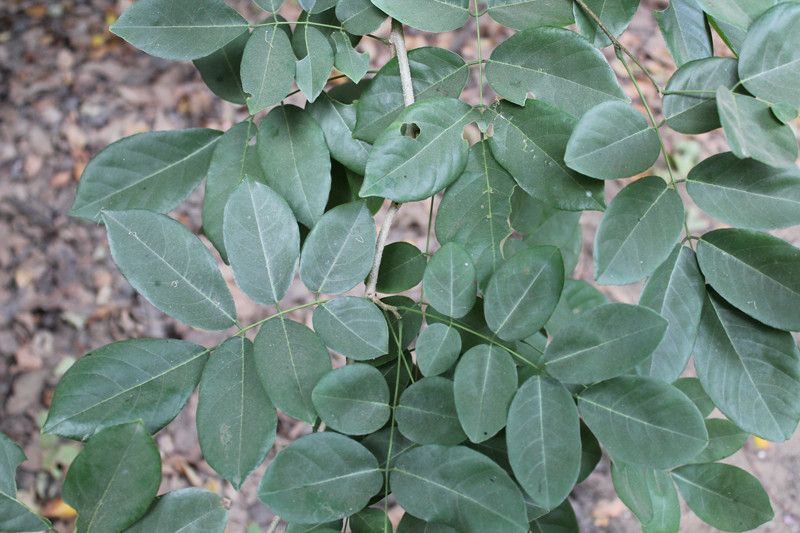
Unlocking the Secrets of the Apple Leaf Tree: A Guide to Propagating Philenoptera laxiflora
The Apple Leaf Tree, scientifically known as Philenoptera laxiflora, is a majestic African native prized for its lush foliage, fragrant flowers, and versatile uses in traditional medicine. If you’re captivated by this tree’s charm and want to expand your garden with its presence, understanding its propagation methods is key. Let’s delve into the techniques that will help you welcome this botanical gem into your own outdoor space.
Method 1: Seed Propagation – A Test of Patience
Propagating Philenoptera laxiflora from seed can be a rewarding, albeit lengthy, process. Here’s a step-by-step guide:
Seed Collection and Preparation: Collect mature seed pods directly from the tree, ideally during the dry season when they readily split open. Extract the seeds and lightly scarify them by gently rubbing them between two pieces of sandpaper. This process weakens the hard seed coat, improving the chances of germination.
Sowing: Sow the seeds in a well-draining seed-starting mix, ensuring they are covered with a thin layer of soil (about twice their thickness). Water thoroughly and keep the soil consistently moist but not waterlogged.
Patience is Key: Germination can be erratic, taking anywhere from a few weeks to several months. Providing bottom heat using a seedling heat mat can speed up the process.
- Transplanting: Once the seedlings have developed a strong root system and several sets of true leaves, they are ready to be transplanted into individual pots or directly into the ground.
Method 2: Cuttings – The Faster Route to Success
Propagation through cuttings offers a quicker and often more successful alternative to seed propagation. Here’s how it’s done:
Timing is Everything: Take cuttings during the active growing season, ideally in late spring or early summer, when the plant’s energy is high.
Selecting the Right Cuttings: Choose healthy, semi-hardwood cuttings from the current year’s growth. These cuttings should be approximately 4-6 inches long and have at least two nodes (the points on a stem where leaves emerge).
Preparing the Cuttings: Remove the leaves from the bottom third of the cutting and wound the base slightly by making a small cut with a sharp, sterilized knife. Dip the wounded end into rooting hormone powder to encourage root development.
Planting and Care: Plant the cuttings in a well-draining potting mix, ensuring the bottom node is buried. Water thoroughly and cover the pot with a plastic bag or humidity dome to create a warm, humid environment.
- Monitoring Growth: Within a few weeks, roots should begin to develop. Once the cuttings show signs of new growth, you can gradually acclimate them to normal humidity levels before transplanting them.
Tips for Success:
- Choose a sunny location with well-drained soil for planting your Philenoptera laxiflora.
- Water regularly during the first year to establish a strong root system.
- Fertilize in spring with a balanced fertilizer to support healthy growth.
- Be patient! While Philenoptera laxiflora is a relatively low-maintenance tree, it can take time to establish itself.
Propagating your own Philenoptera laxiflora is a fulfilling endeavor that allows you to actively participate in growing this captivating tree. By following these techniques and embracing the journey, you can enjoy the beauty and benefits of the Apple Leaf Tree for generations to come.