
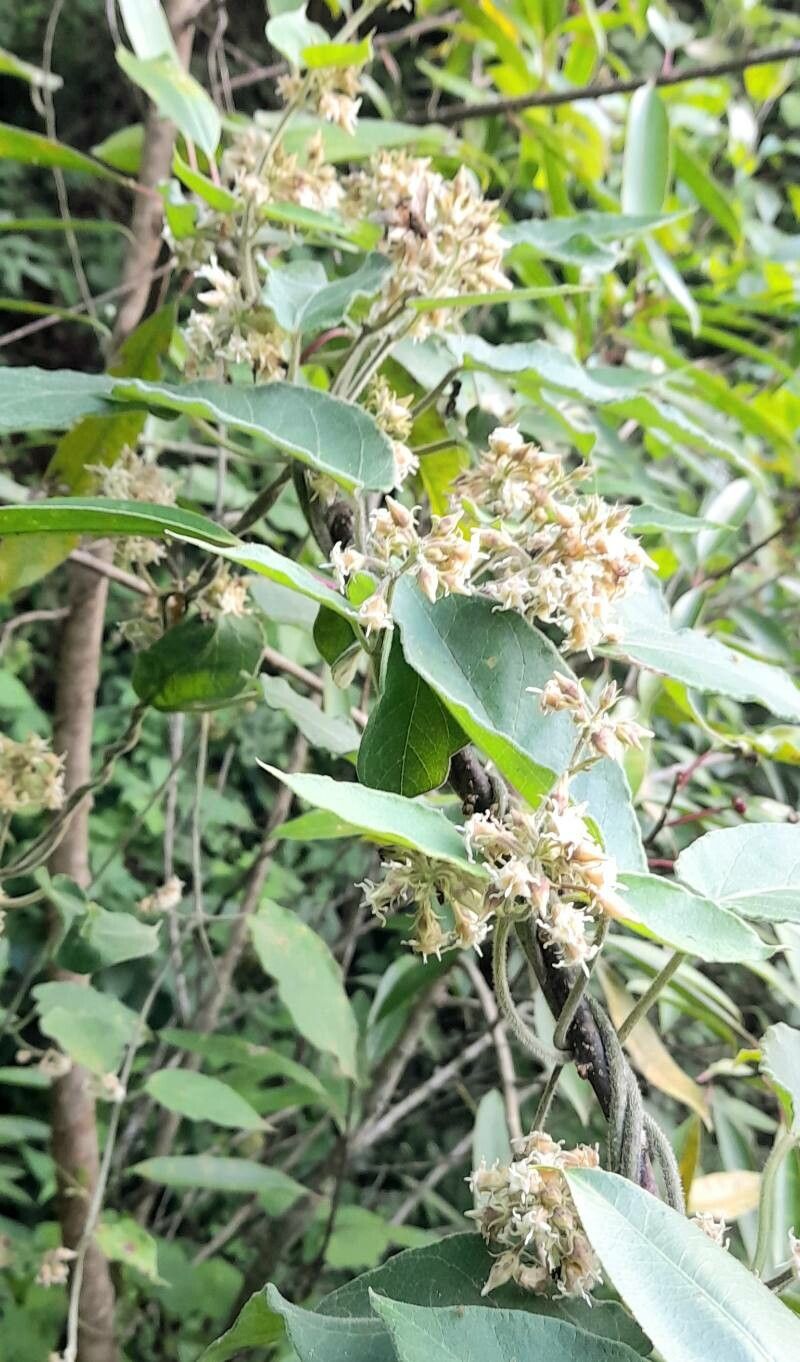
Propagating Philibertia parviflora: A Gardener’s Guide
Philibertia parviflora, also known as the small-flowered philibertia or sometimes simply as climbing milkweed, is a charming vine prized for its profusion of delicate, star-shaped flowers and its vigorous, trailing habit. This relatively unknown beauty is gaining popularity among gardeners for its adaptability and ease of care, especially in warmer climates. Its ability to tolerate some drought and its attractive foliage make it a valuable addition to hanging baskets, containers, and as ground cover. However, propagation can present some unique challenges, making successful cultivation all the more rewarding.
Seed Germination:
Currently, there are no known reliable methods for seed germination propagation of Philibertia parviflora. While the plant does produce seeds, their germination rates are reportedly extremely low, and successful germination has not been consistently documented in horticultural literature. Further research would be needed to determine if specific pre-treatments or conditions could improve germination success.
Cuttings:
Cuttings represent the most reliable method for propagating Philibertia parviflora. This method offers a relatively high success rate compared to other options.
Challenges: The main challenge lies in ensuring proper rooting. Using semi-hardwood cuttings taken in late summer or early autumn typically yields the best results. Overwatering leads to rot, while underwatering can stunt growth.
Practical Tips: Take 4-6 inch cuttings, removing lower leaves to prevent rot. Dip the cut ends in rooting hormone powder to stimulate root development. Plant cuttings in a well-draining, moist propagation mix (such as perlite and peat moss) and maintain consistently high humidity, ideally using a humidity dome or propagator. Consistent warmth (around 70-75°F) is crucial.
Rewards: Cuttings offer a quick and efficient way to increase the number of plants, maintaining the exact genetic characteristics of the parent plant. This method is suitable for both home gardeners and nurseries.
Division:
Division is possible, but not widely practiced, for Philibertia parviflora.
Challenges: This plant doesn’t naturally form dense clumps as readily as some other species, limiting the opportunity for effective division. Dividing the root system can also cause significant stress.
Practical Tips: If attempting division, it is crucial to ensure each section has a healthy root system and sufficient aboveground growth. Plant the divisions immediately into well-prepared soil, and water gently to avoid shocking the root systems.
Rewards: This method could be useful if a large, established plant needs to be thinned or relocated. However, success is not guaranteed and it’s not a recommended primary propagation technique.
Tissue Culture:
Tissue culture is a potentially viable, though technically demanding, method for propagating Philibertia parviflora.
Challenges: Establishing a sterile protocol and identifying the optimal growth medium and hormones for this specific species requires specialized knowledge and lab equipment. This method requires significant investment in time, materials, and expertise.
Practical Tips: This is best left to plant tissue culture specialists or well equipped labs. They can develop sterilisation techniques, design appropriate growth media, and monitor the culture for contamination and growth.
Rewards: Tissue culture allows for large-scale, rapid propagation and the production of disease-free plants. It’s the most efficient method for large-scale commercial propagation.
Conclusion:
Propagating Philibertia parviflora presents a range of challenges depending on the chosen method. While seed germination is currently unreliable, cuttings offer the most accessible and effective path to success for home gardeners. Division is feasible but less efficient, while tissue culture is a powerful yet resource-intensive option. The effort involved, however, is rewarded with the satisfaction of nurturing these delicate vines from a small cutting or division into thriving, flowering plants. The unique beauty and adaptability of Philibertia parviflora makes the effort to propagate worth it for any enthusiastic gardener willing to put in the time and dedication needed to master the techniques. Don’t be discouraged by setbacks; experiment, learn from your mistakes, and enjoy the journey of bringing more of this captivating vine to life!