
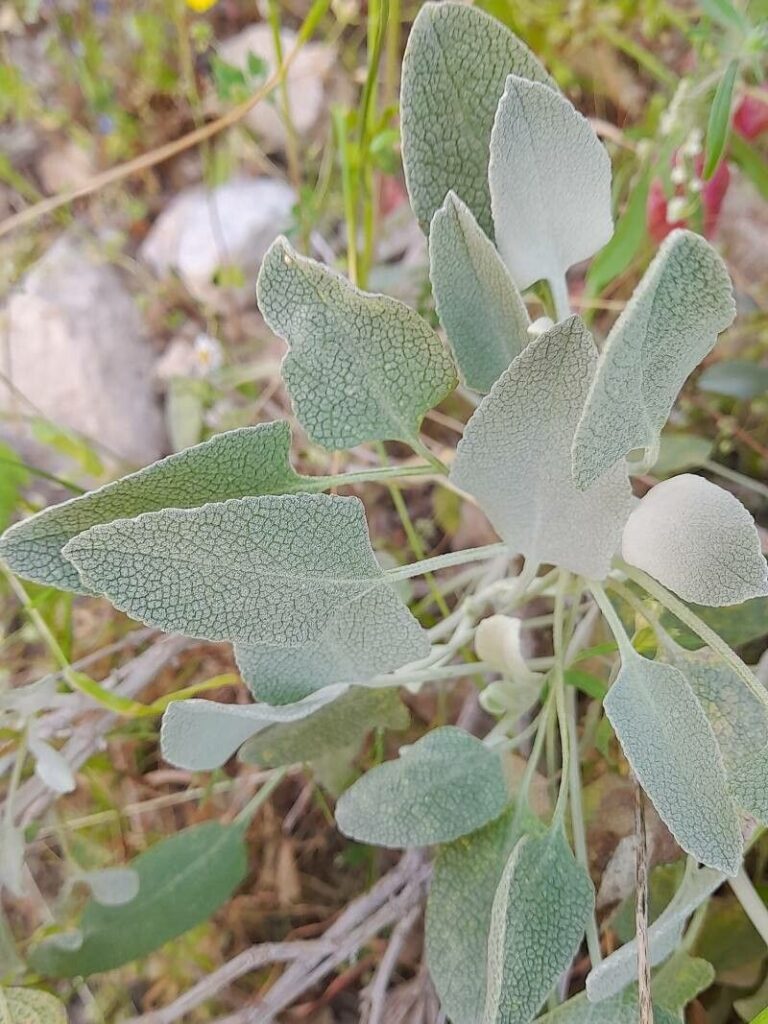
Unleashing the Golden Jerusalem Sage: A Guide to Propagating Phlomis aucheri
The Phlomis aucheri, more affectionately known as the Golden Jerusalem Sage, is a sight to behold. Imagine vibrant yellow blooms held aloft on tall stems, buzzing with pollinators, all while showcasing drought-tolerant resilience. This plant is a gardener’s dream, and the good news is, propagating it isn’t as intimidating as the Latin name might suggest. Let’s unlock the secrets to multiplying your Golden Jerusalem Sage haven!
Method 1: Cuttings – A Summertime Affair
Taking cuttings is a popular and rewarding method for this sun-loving sage. Here’s the step-by-step:
- Timing is Key: Late spring or early summer, when the plant is actively growing, is the prime time for taking cuttings. This ensures the most vigorous growth.
- Selecting the Shoots: Look for healthy, non-flowering stems. Ideally, choose those that haven’t yet become woody.
- Making the Cut: Using clean, sharp shears, snip a 4-6 inch section just below a leaf node. Remove the lower leaves, leaving only 2-3 pairs at the top.
- Hormone Boost (Optional): While not strictly necessary, dipping the cut end in rooting hormone can expedite the process.
- Potting Up: Fill small pots with a well-draining potting mix. Create a hole with a pencil and gently insert the cutting, burying at least two leaf nodes.
- Creating a Humid Environment: Cover the pot with a clear plastic bag or use a propagator to maintain humidity around the cutting. This encourages root development.
- Patience is a Virtue: Place the pot in a warm, brightly lit location, out of direct sunlight. Keep the soil consistently moist but not soggy.
- Rooting Success: In 4-8 weeks, gently tug on the cutting. Resistance indicates root development. You can then transplant the cutting into its individual pot.
Method 2: Seeds – Patience Yields Golden Rewards
While a tad slower than cuttings, starting from seed offers a sense of accomplishment. Here’s how:
- Sourcing Seeds: Phlomis aucheri readily sets seed in late summer. Collect them from dried flower heads or source them from a reputable supplier.
- Sowing Time: Start seeds indoors 6-8 weeks before the last expected frost.
- Sowing Depth: In seed trays filled with seed-starting mix, sow seeds about ¼ inch deep.
- Light and Warmth: Cover the tray lightly and provide bottom heat if possible (a heat mat works wonders). A sunny windowsill should suffice if a heat mat is unavailable.
- Germination Anticipation: Be patient! Seeds can take 2-4 weeks to germinate.
- Transplanting Time: Once seedlings have developed a couple of sets of true leaves, carefully transplant them into individual pots.
- Hardening Off: Before planting outdoors, gradually acclimate seedlings to the elements by slowly introducing them to outdoor conditions for increasingly longer periods.
Caring for Your Golden Offspring
Whether you choose cuttings or seeds, your new Phlomis aucheri will thrive in well-drained soil and a sunny location. They are remarkably drought-tolerant once established and are relatively pest and disease-free.
With a bit of effort and these simple techniques, you can easily propagate your Golden Jerusalem Sage, ensuring a stunning display of golden blooms for years to come and sharing the joy of this magnificent plant with fellow garden enthusiasts.