
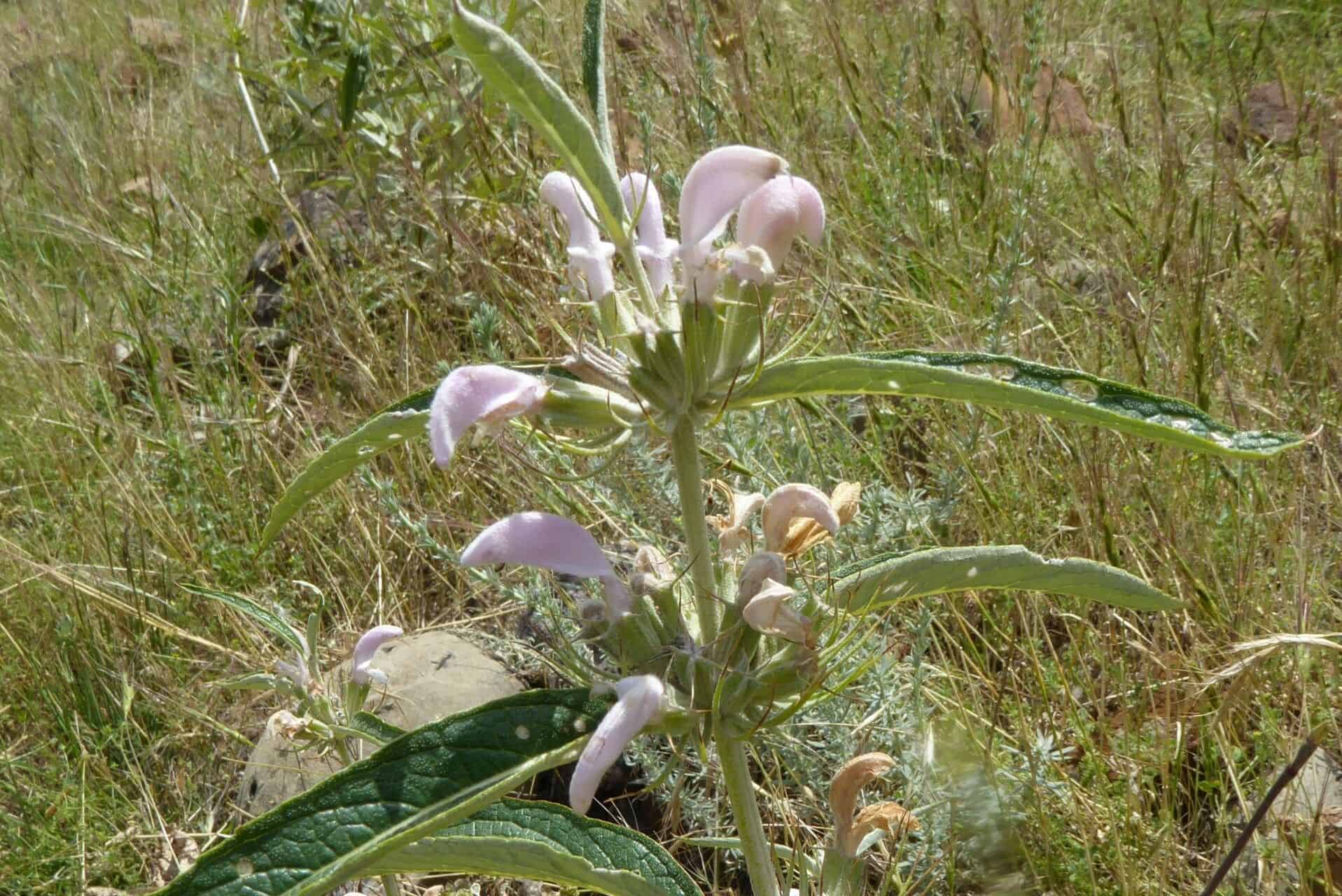
Unlocking the Secrets of Phlomis Hypoleuca Propagation: A Guide to Multiplying Your Mediterranean Marvel
The Phlomis hypoleuca, with its striking silvery foliage and architectural whorls of yellow blooms, is a Mediterranean beauty increasingly gracing gardens worldwide. If you’re smitten by its charm, you might be wondering how to propagate Phlomis hypoleuca and spread the love in your own green haven. Fear not, plant enthusiasts! This guide will equip you with the knowledge to multiply this unique perennial through various methods.
Method 1: Seed Propagation
- Timing is Key: Sow Phlomis hypoleuca seeds in late winter or early spring.
- Sowing the Seeds: Use a well-draining seed-starting mix and lightly press the seeds onto the surface.
- Warmth and Patience: Cover the tray with a plastic dome or wrap it in plastic to retain moisture and place it in a warm, bright location out of direct sunlight. Germination can take several weeks, so patience is key!
- Transplanting Time: Once the seedlings have developed several sets of true leaves, transplant them into individual pots filled with a well-draining potting mix.
- Gradually Acclimatize: Slowly introduce the young plants to outdoor conditions before permanently planting them in your garden.
Method 2: Softwood Cuttings
- Prime Time for Cuttings: The best time to take softwood cuttings is in late spring or early summer, when new growth is still pliable.
- Selecting the Right Cuttings: Look for healthy stems that haven’t flowered yet and make a clean cut just below a leaf node.
- Preparing the Cuttings: Remove the lower leaves, leaving only a few at the top. Dip the cut end in rooting hormone for a higher chance of success.
- Planting the Cuttings: Plant the cuttings in a well-draining potting mix.
- Creating a Humid Environment: Cover the pot with a plastic bag or use a propagator to create a humid environment.
- Patience is a Virtue: Keep the soil consistently moist and wait for roots to develop, which can take several weeks.
- Transplanting Success: Once the cuttings have developed a strong root system, gradually acclimatize them to outdoor conditions before planting them in their permanent location.
Method 3: Division
- The Right Time for Division: Divide established Phlomis hypoleuca plants in spring or fall.
- Digging Up the Plant: Carefully lift the entire plant from the ground, ensuring you get as much of the root system as possible.
- Dividing the Plant: Use a sharp knife or spade to divide the plant into smaller sections, each with a good amount of roots and shoots.
- Replanting the Divisions: Replant the divisions at the same depth they were originally growing and water thoroughly.
Tips for Success:
- Well-Draining Soil: Phlomis hypoleuca thrives in well-drained soil. Consider adding perlite or sand to your potting mix or garden bed to improve drainage.
- Sunlight Requirements: This sun-loving perennial prefers a sunny location but can tolerate some shade.
- Water Wisely: Water deeply but infrequently, allowing the soil to dry out slightly between waterings.
Propagating Phlomis hypoleuca might require a little patience and care, but the rewards are well worth the effort. By mastering these techniques, you’ll not only enjoy the beauty of this Mediterranean gem but also multiply your collection and share its splendor with fellow gardening enthusiasts.