
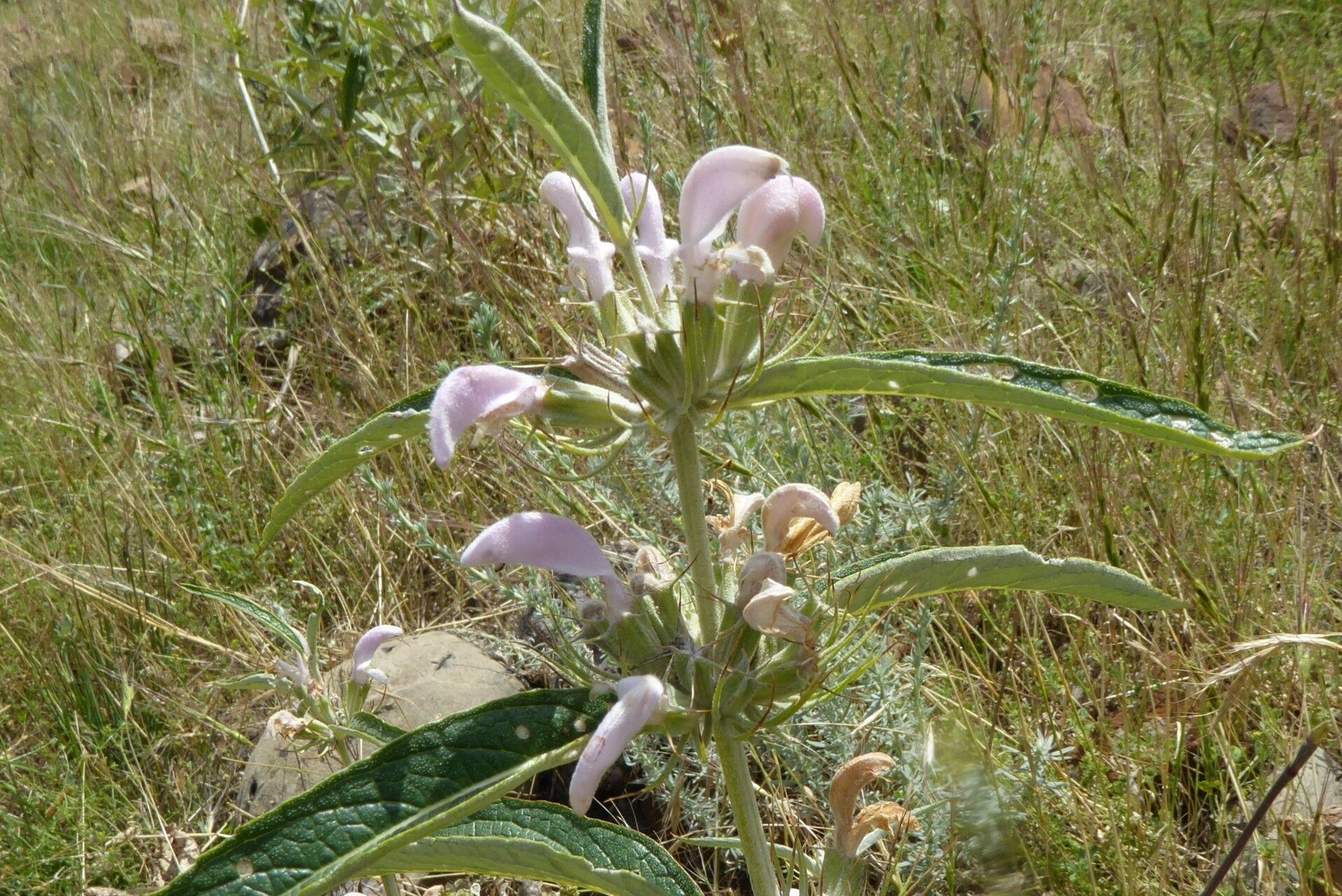
Propagating Lamb’s Ear Phlomis: A Gardener’s Guide to Phlomis hypoleuca
Introduction
Phlomis hypoleuca, commonly known as the Woolly Phlomis or White Woolly Phlomis, is a captivating perennial prized for its silvery-white, woolly foliage and tall, stately flower spikes. Its architectural form and drought tolerance make it a popular choice among gardeners seeking low-maintenance, textural interest in borders, gravel gardens, and Mediterranean-style landscapes. While relatively easy to grow from established plants, propagating Phlomis hypoleuca presents unique challenges depending on the chosen method. Understanding these challenges and benefits is key to successful propagation.
Seed Germination
Currently, there are no known reliable methods for seed germination propagation of Phlomis hypoleuca. While seeds may be produced, germination rates are notoriously low and unpredictable, likely due to factors such as dormancy mechanisms and specific environmental requirements not yet fully understood. Therefore, relying on seed germination for propagation is not recommended.
Cuttings
Challenges: Semi-hardwood cuttings offer the most promising approach to vegetative propagation. However, success hinges on precise timing and favorable conditions. Rotting is a major concern, demanding careful attention to hygiene and drainage.
Tips: Take semi-hardwood cuttings (6-8cm long) from non-flowering stems in late summer or early autumn. Remove lower leaves, dip the cut ends in rooting hormone, and plant in a well-draining propagation mix (e.g., perlite and peat moss). High humidity (achieved with a propagator or plastic bag) and moderate warmth are crucial. Regularly mist the cuttings to maintain moisture but avoid overwatering.
Rewards: This method offers a faster way to produce genetically identical plants compared to division, allowing for the efficient propagation of desirable cultivars.
Division
Challenges: Division is a relatively straightforward method but requires established, well-developed plants. Dividing Phlomis hypoleuca too early can severely weaken or kill the mother plant.
Tips: The best time for division is in spring or autumn after flowering. Carefully dig up the mature plant and gently separate the root crown into smaller divisions, ensuring each division has sufficient roots and several stems. Replant immediately in well-drained soil, spacing them appropriately.
Rewards: Division is simple, readily accessible, and provides a quick way to increase the number of plants. It avoids the potential pitfalls of cuttings and eliminates the unreliability of seed germination.
Tissue Culture
Challenges: Tissue culture requires specialized equipment, a sterile environment, and expertise in plant tissue culture techniques. It is a complex and expensive method not typically suitable for home gardeners.
Tips: This method involves sterilizing plant material and growing it on nutrient-rich agar in a controlled environment. Once plants develop sufficiently, they can be acclimatized to greenhouse conditions and eventually transferred outdoors.
Rewards: Tissue culture offers the potential for large-scale propagation and the elimination of diseases. It can also be used for the preservation of rare or endangered cultivars. However, the high cost may outweigh its benefits for home gardeners.
Conclusion
Propagating Phlomis hypoleuca presents distinct challenges depending on the chosen approach. Seed germination is unreliable. While cuttings and division are viable options with different levels of complexity and speed, tissue culture remains a specialized option. The rewards, however, are well worth the effort. Successfully propagating this beautiful plant brings a unique sense of accomplishment, a tangible connection to the horticultural process, and the satisfaction of cultivating a plant that rewards patience with its unique beauty. For home gardeners, focusing on cuttings or division offers the most accessible and reliable pathways towards expanding their Phlomis hypoleuca collection. Remember patience and careful attention to detail are key to success with any chosen method.