
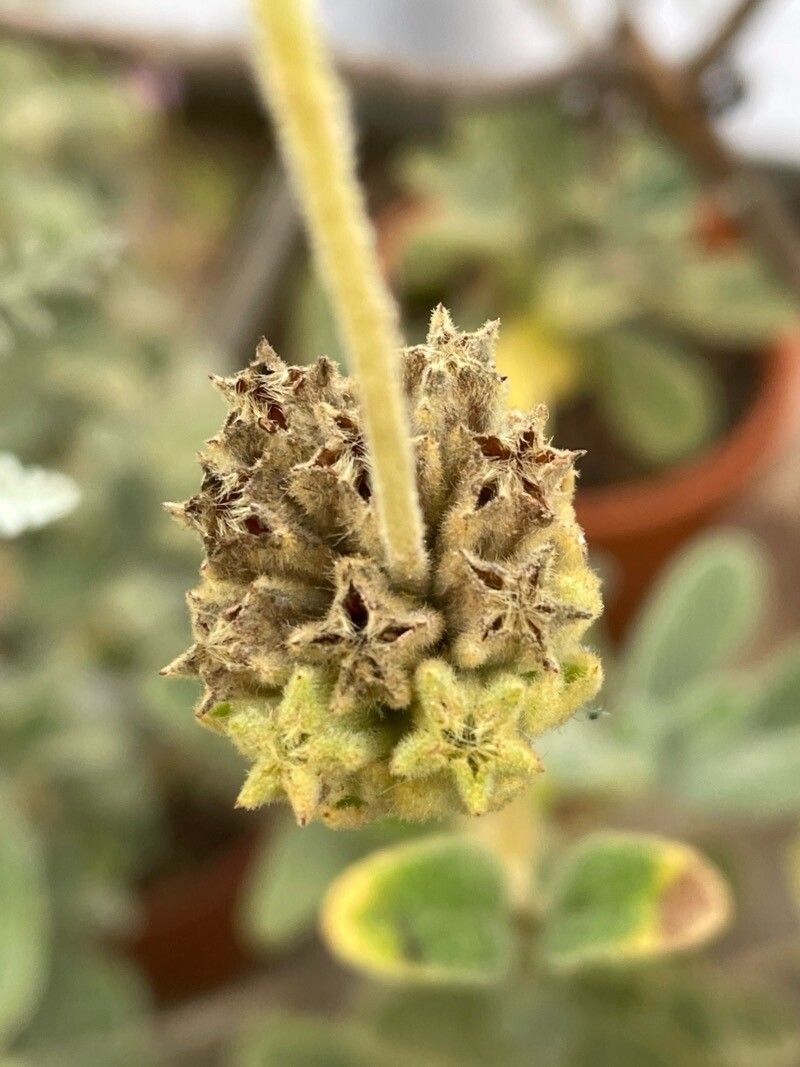
Unleashing the Woolly Wonders: Propagating Your Phlomis Lanata
If you’re captivated by the fuzzy charm of Phlomis lanata, also known as the woolly-headed or Jerusalem sage, you’re not alone. This drought-tolerant, bee-loving perennial is a garden standout, boasting a unique woolly texture and vibrant, long-lasting blooms. But what if you want to share this beauty with others or expand your own collection? The answer lies in propagation!
Phlomis lanata, despite its slightly intimidating name, is surprisingly easy to propagate. You can choose from two popular methods: seed propagation and division.
1. Seed Propagation: A Journey from Tiny Seed to Majestic Blooms
- When to Sow: Sow seeds directly into the soil after the last frost in spring or indoors 6-8 weeks before your last frost date.
- Sowing Technique: Scatter the seeds thinly on the surface of a seed tray filled with compost or a seed starting mix. Gently press the seeds into the soil but don’t cover them completely as they need light to germinate.
- Moisture and Light: Keep the soil consistently moist but not soggy. Provide bright, indirect light. You can use a grow light indoors or place the tray in a sunny spot outdoors.
- Patience is Key: Germination can take 1-2 weeks, sometimes even longer. Once the seedlings sprout, thin them out to give each plant ample space for growth.
- Hardening Off: Before transplanting outdoors, gradually acclimate the seedlings to the elements for a few weeks. This toughens them up and helps them survive the transition.
2. Division: A Faster Route to Success
- Best Time: Spring is the ideal time to divide Phlomis lanata, although you can do it in early autumn if necessary.
- Preparation: Water the plant thoroughly the day before division. Use a sharp, clean spade or knife to divide the plant into sections, each with healthy roots and shoots.
- Planting: Dig planting holes slightly larger than the root ball of each division and plant them at the same depth they were originally growing. Water thoroughly afterwards.
- Space to Thrive: Plant divisions about 3 feet apart to allow for their mature size.
Tips for Success:
- Perfect Timing: Both methods work best with fresh seeds and plants.
- Soil Preferences: Phlomis lanata prefers well-draining soil, so ensure your chosen location or pots provide good drainage.
- Sunlight Delight: Choose a sunny spot that receives at least 6 hours of sunlight per day.
- Mind the Water: Water regularly, especially during the first year, but avoid overwatering.
- Patience and Observance: Keep a watchful eye on your propagated plants and adjust your care accordingly.
Conclusion:
Propagating Phlomis lanata is a rewarding experience, allowing you to create new plants and spread the woolly magic of this unique species. Whether you opt for the meticulous journey of seed propagation or take the faster route of division, the process is simple enough for beginner gardeners. With a little patience and the right techniques, you’ll soon be enjoying the beautiful bloom and fuzzy texture of this extraordinary plant in your garden and beyond. Enjoy your woolly wonders!