
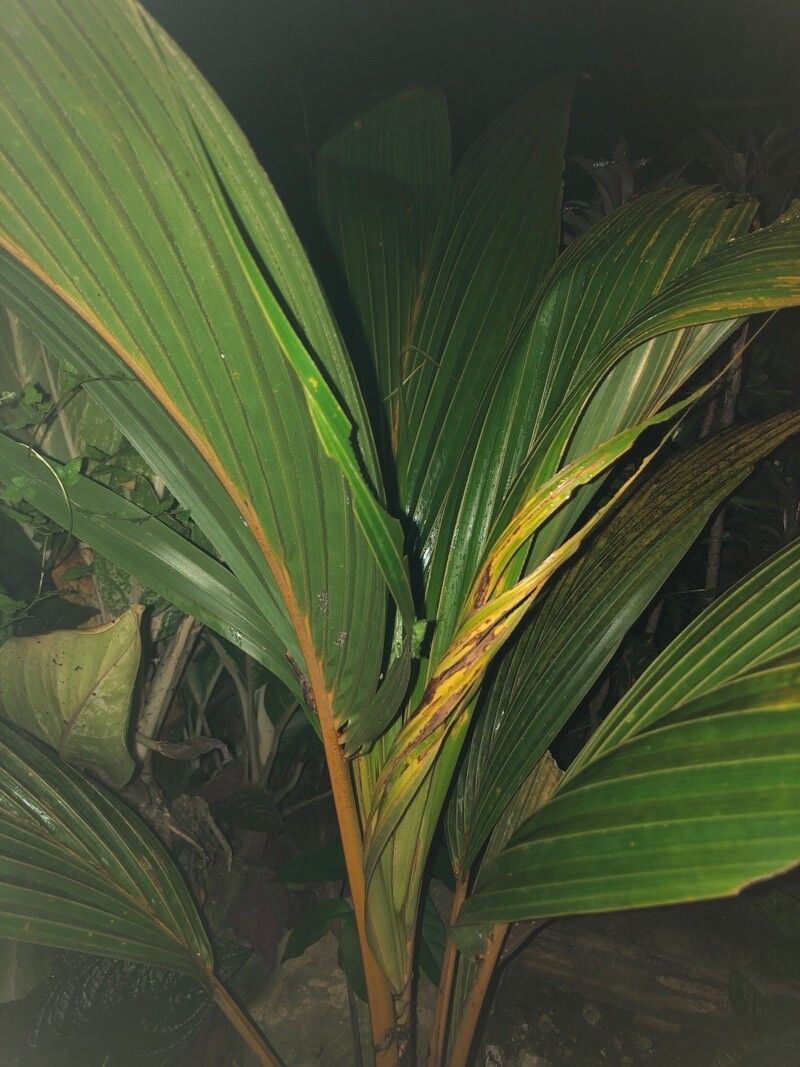
Propagating the Lipstick Palm: Unveiling the Secrets of Phoenicophorium borsigianum
Introduction:
Phoenicophorium borsigianum, commonly known as the Lipstick Palm, is a captivating addition to any tropical or subtropical garden. Its striking red inflorescences, emerging from a crown of elegantly arching, pinnate leaves, have earned it considerable popularity among plant enthusiasts. However, its propagation presents unique challenges, making successful cultivation all the more rewarding. This article explores various propagation methods for the Lipstick Palm, weighing their viability and practicality.
Seed Germination:
Seed germination is a viable method for propagating Phoenicophorium borsigianum, but it presents significant challenges. Fresh seeds are crucial for success, as viability declines rapidly with age.
Challenges: Seeds exhibit relatively low germination rates, even under optimal conditions. The hard seed coat can impede water uptake, delaying or preventing germination.
Practical Tips: Scarification (carefully nicking the seed coat) can improve germination rates. Soaking seeds in warm water for 24-48 hours before sowing can also be beneficial. A warm, humid environment (around 25-30°C) with consistently moist (but not waterlogged) propagation medium (a well-draining mix of peat moss and perlite is recommended) is essential. Patience is key; germination can take several weeks or even months.
Rewards: Successfully germinated seeds offer the reward of genetic diversity, leading to a wider range of variations within a collection of plants. This method also lends itself to large-scale propagation, though the low germination rate needs to be considered.
Cuttings:
Currently, there are no known reliable methods for propagating Phoenicophorium borsigianum from cuttings. The palm’s physiology does not readily lend itself to vegetative propagation through this method.
Division:
Division is not a practical method for propagating Phoenicophorium borsigianum. The Lipstick Palm doesn’t produce offsets or suckers that can be easily separated and replanted.
Tissue Culture:
Tissue culture offers a promising avenue for propagating Phoenicophorium borsigianum.
Challenges: Establishing sterile conditions and developing appropriate nutrient media are critical for success. This technique requires specialized knowledge, equipment, and a clean lab environment.
Practical Tips: Experienced tissue culture professionals with knowledge of palm propagation are best suited to attempt this method. The process involves isolating and culturing meristematic tissues (rapidly dividing cells) under controlled conditions to produce numerous plantlets.
Rewards: Tissue culture allows for rapid and efficient multiplication of superior genetic material, ensuring uniformity and preserving desirable traits. It offers a way to propagate disease-free plants on a large scale.
Conclusion:
Propagating Phoenicophorium borsigianum is undoubtedly challenging. While seed germination is possible, albeit with low success rates, tissue culture shows significant promise for efficient large-scale propagation. Cuttings and division are not viable options. The rewards, however, are significant: the satisfaction of successfully cultivating this strikingly beautiful palm, knowing you’ve overcome its propagation hurdles, is unparalleled. Aspiring propagators should carefully consider their resources and expertise before embarking on this journey. Starting with seed germination using fresh seeds, following the tips outlined, and potentially exploring the avenue of tissue culture through collaboration with professionals, offers the greatest potential for success in expanding your Lipstick Palm collection. Patience and persistence are key to achieving this rewarding goal.