
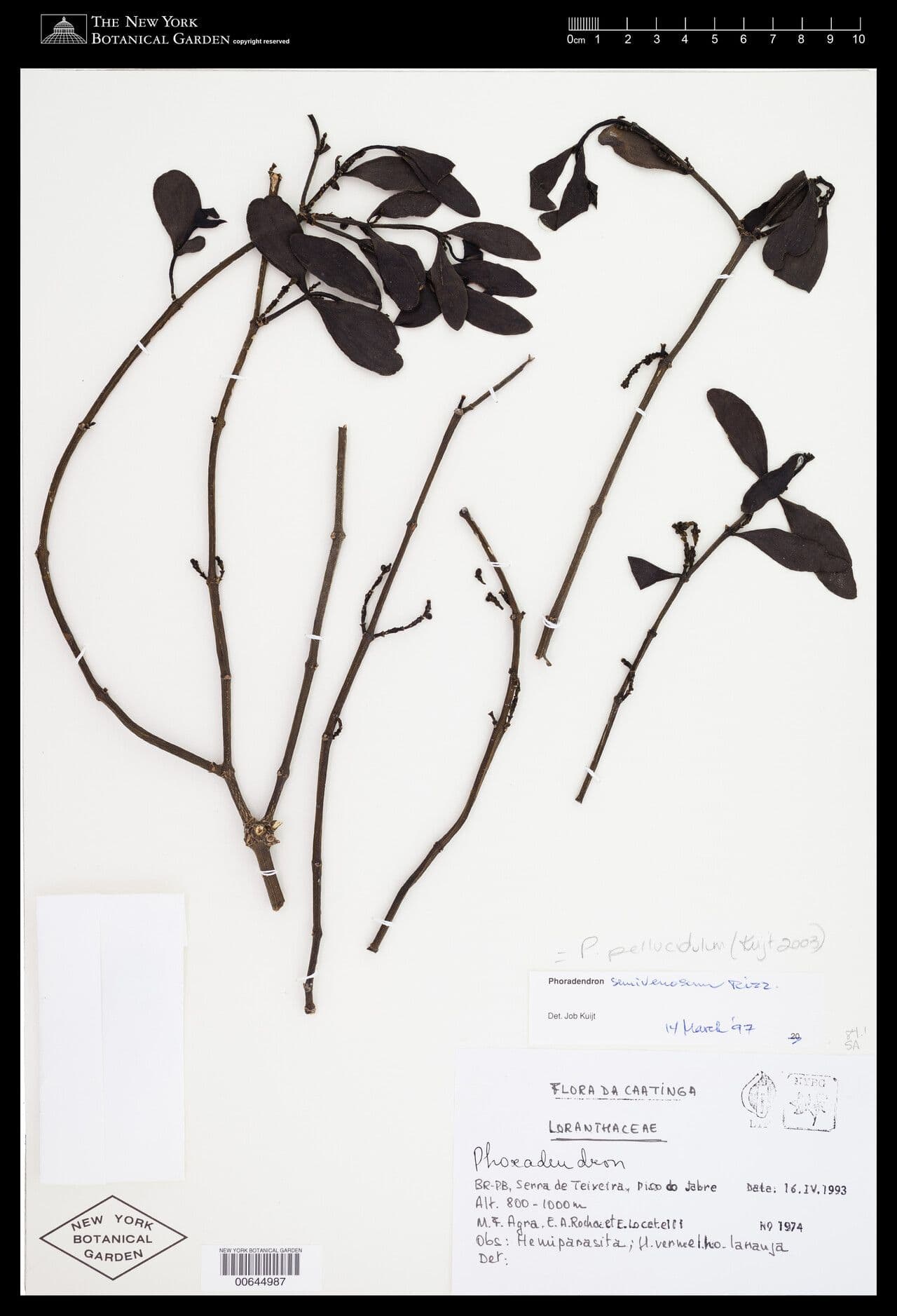
Mistletoe Magic: Unlocking the Secrets to Propagating Phoradendron Pellucidulum
Mistletoe! The very word conjures images of holiday cheer, stolen kisses, and festive decorations. But did you know that the mistletoe family extends far beyond the familiar European species? Enter Phoradendron pellucidulum, a fascinating and beautiful mistletoe native to the southwestern United States and Mexico.
Often called "visca" or "desert mistletoe," Phoradendron pellucidulum is a hemiparasitic plant. This means it gets some of its nutrients from its host tree, while still conducting photosynthesis for itself. Its delicate, translucent leaves and vibrant red berries add a touch of magic to the arid landscapes it calls home.
If you’re captivated by this unique plant, you might be wondering: Can I grow my own Phoradendron pellucidulum? The answer, thankfully, is yes! While a slightly challenging endeavor, propagating desert mistletoe is an incredibly rewarding experience for any plant enthusiast.
Embracing the Challenge: Seed Propagation
The most common, and arguably most exciting, way to propagate Phoradendron pellucidulum is through its seeds. Here’s how:
- Source your seeds: Look for healthy, ripe berries on established desert mistletoe plants. These berries typically ripen in the fall and winter. Important: Remember to only collect seeds from locations where it’s permitted.
- Prepare your host tree: Choose a suitable host tree for your mistletoe. Popular choices include mesquite, palo verde, and acacia trees. Gently scratch the bark in a few inconspicuous spots on the branches.
- Plant your seeds: Carefully extract the sticky seeds from the berries. Press them onto the scratched bark of your chosen host tree, ensuring they are firmly attached.
- Patience is key: Be prepared to wait! It can take several months, even up to a year, for the seeds to germinate and establish themselves on the host tree.
- Nurture and observe: While Phoradendron pellucidulum is partially parasitic, it’s essential to ensure your host tree remains healthy. Provide adequate water and care to your tree, and keep an eye out for any signs of stress.
Tips for Success:
- Timing is everything: The best time to plant your mistletoe seeds is in the late fall or early winter, coinciding with the rainy season in their natural habitat.
- Mimic nature: When choosing a spot on your host tree for the seeds, look for areas where natural sunlight filters through the branches.
- Don’t give up: Not all seeds will germinate, so it’s best to plant several to increase your chances of success.
Reaping the Rewards:
Successfully propagating Phoradendron pellucidulum is a testament to patience and dedication. Watching the seeds sprout and develop into thriving plants on your very own host tree is a truly magical experience.
So, why not embrace the challenge and bring a touch of the desert’s enchanting mistletoe into your own backyard? With a little effort and a lot of love, you can enjoy the unique beauty of Phoradendron pellucidulum for years to come.