
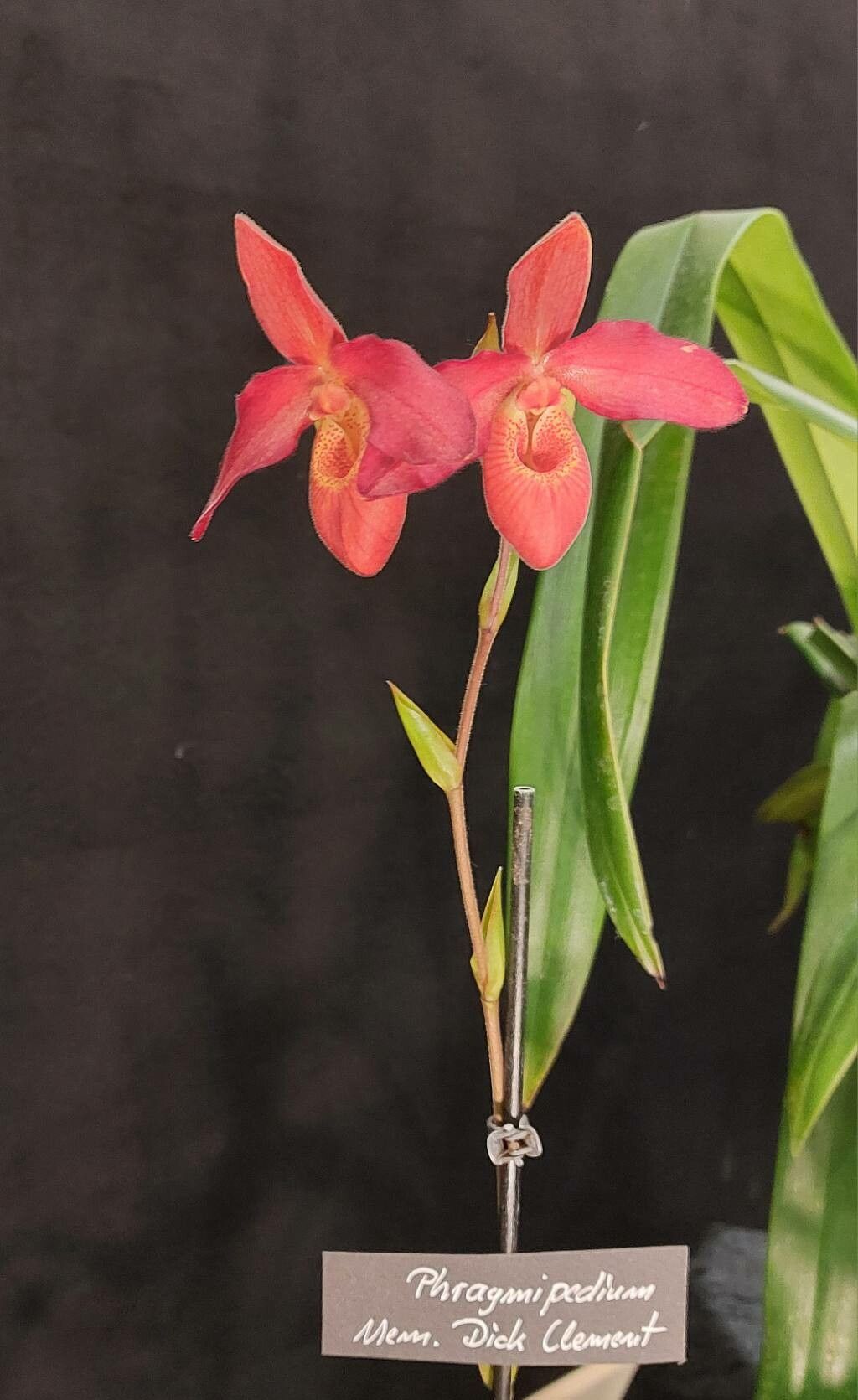
Unveiling the Secrets of Propagating the Fiery Phragmipedium besseae
The Phragmipedium besseae, with its captivating scarlet hues and slipper-like pouch, is a prized possession for orchid enthusiasts. While caring for this stunning orchid can be a rewarding experience, propagating it can seem like a daunting task. However, fear not, fellow plant lovers! With a touch of patience and the right knowledge, you too can multiply your collection of these fiery beauties.
Before we delve into the techniques, let’s understand that Phragmipedium besseae can be propagated in two primary ways: division and seed germination.
Division: The Simplest Route to Multiplication
As your Phragmipedium besseae matures, it will naturally produce multiple growths, each with its own set of leaves and roots. This clumping growth habit makes division the easiest and most common propagation method. Here’s how it’s done:
- Timing is key: The best time to divide your orchid is during spring, just as new growth emerges.
- Gentle Removal: Carefully remove the plant from its pot and gently tease apart the roots to separate the growths. Ensure each division has at least 3-4 healthy growths for optimal chances of survival.
- Potting Up: Plant each division in a well-draining orchid mix, ensuring the base of the plant sits slightly above the rim of the pot.
- Post-Division Care: Maintain humidity and keep the newly potted divisions in a warm, shaded location. Water sparingly until you see signs of new growth.
Seed Germination: A More Advanced Approach
Propagating Phragmipedium besseae from seeds is a more complex endeavor, often requiring sterile lab conditions and specialized knowledge. This method is generally undertaken by experienced orchid growers and commercial nurseries.
However, for the adventurous souls eager to take on the challenge, here’s a glimpse into the process:
- Obtaining Seeds: Phragmipedium besseae seeds are extremely fine, like dust, and require a symbiotic relationship with specific fungi to germinate in the wild. Thus, obtaining viable, flask-grown seeds from a reputable supplier is crucial.
- Sowing the Seeds: Seeds are sown onto a sterile nutrient medium in a sealed flask, mimicking the natural environment where germination occurs.
- Patience is paramount: It can take several months to years for seedlings to develop into mature plants ready for transplanting.
Factors Influencing Success
Regardless of the propagation method chosen, certain factors play a vital role in determining success:
- Healthy Mother Plant: Always choose a vigorous, disease-free plant for division or for collecting seed pods.
- Sterilization is Key: Use sterilized tools and pots when dividing plants and maintain sterile conditions during seed sowing to prevent contamination.
- Optimal Growing Conditions: Providing the right humidity, temperature, light, and air circulation is essential for the healthy development of both divisions and seedlings.
A Rewarding Enterprise
Propagating your Phragmipedium besseae can be an immensely rewarding process. Whether you choose the straightforward method of division or embark on the challenging journey of seed germination, the joy of nurturing these stunning orchids from their infancy is an experience unlike any other. So go ahead, delve into the world of orchid propagation and witness the magic of life unfolding in your own home.