
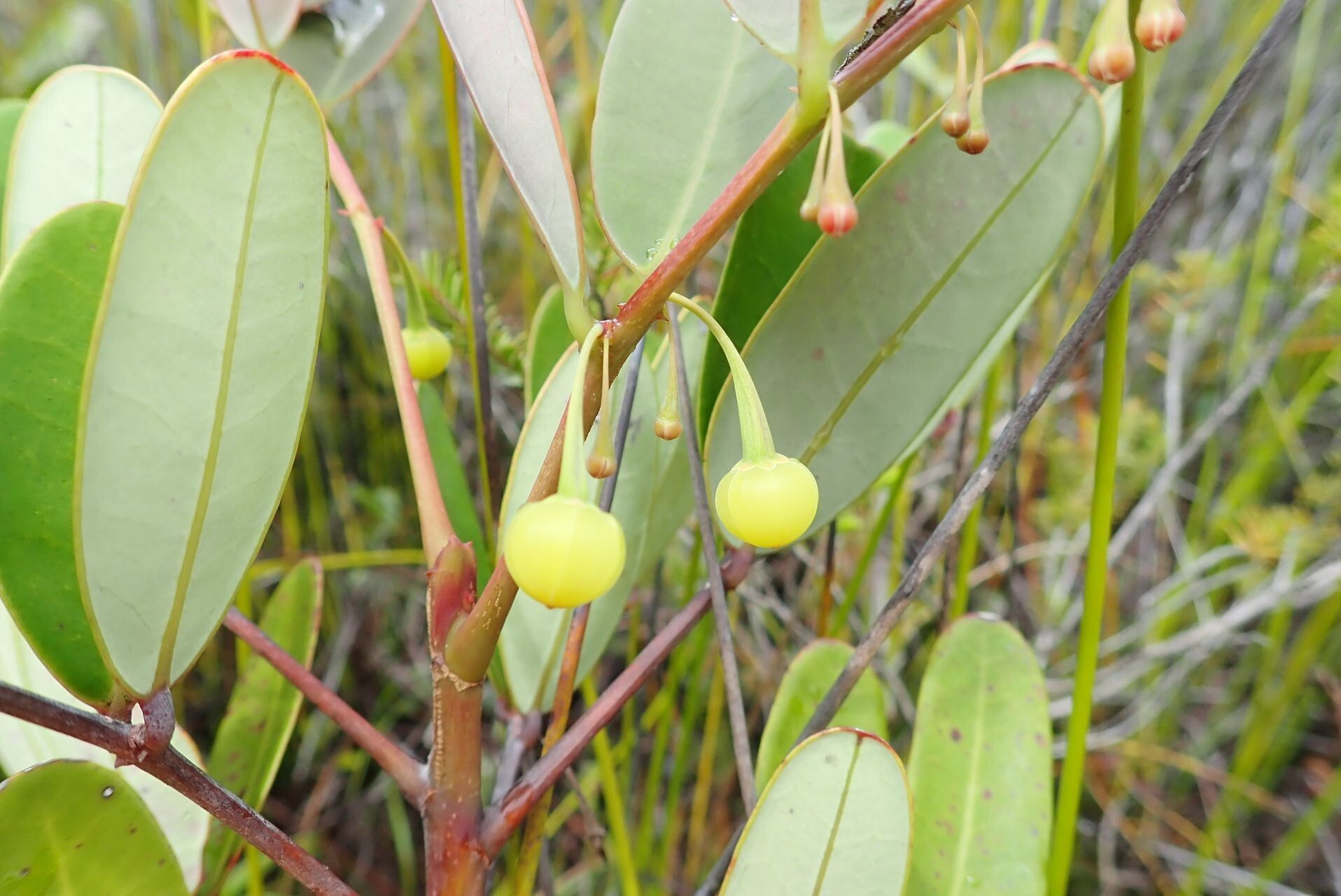
From Tiny Seed to Lush Growth: Propagating the Phyllanthus Castus
Want to add a touch of tropical elegance to your home or garden? The Phyllanthus castus, also known as Stonebreaker or Indian Stonebreaker, is a fascinating plant with distinct medicinal properties and an attractive appearance. Best of all, propagating this plant is surprisingly easy! Whether you’re starting from seeds or cuttings, this blog post will guide you through the process, ensuring successful growth for your own Phyllanthus castus collection.
The Power of Seeds:
Phyllanthus castus seeds are readily available online or from specialized plant nurseries. They are tiny, almost like dust particles, so handling them requires a delicate touch.
- Prepare the Soil: Use a well-draining seed-starting mix or a blend of potting soil, perlite, and vermiculite. Fill small pots or seed trays with the mixture, leaving a slight space at the top.
- Sowing the Seeds: Gently sprinkle the seeds on the surface of the soil. Do not bury them, as they need light to germinate. Lightly mist the soil surface with water.
- Create a Greenhouse Effect: Cover the pots with a clear plastic dome or wrap to maintain high humidity, crucial for seed germination.
- Patience is Key: Keep the soil consistently moist and place the pots in a bright, indirect light location. Germination may take several weeks, so don’t lose heart!
The Cutting Method: A Quick and Easy Option:
Phyllanthus castus also readily propagates from stem cuttings. This method is particularly easy and offers a quicker route to a new plant.
- Choose the Right Cutting: Select a healthy, non-flowering stem tip that is at least 4-6 inches long.
- Make a Clean Cut: Use sharp shears or a knife to make a clean cut just below a node (where leaves grow from the stem).
- Remove Lower Leaves: Remove the leaves from the bottom 2 inches of the cutting to prevent rotting.
- Prepare the Root Medium: Fill a small pot or propagation tray with a mixture of potting soil and perlite.
- Planting the Cutting: Make a hole in the soil, insert the cutting, and gently firm the soil around it.
- Promote Root Formation: Once the cutting is planted, mist the soil and cover it with a clear plastic bag or dome to create a humid environment.
- Nurture the Growth: Place the pot in a bright, indirect location and keep the soil consistently moist. You should start to see root formation within several weeks.
Cultivating Your New Phyllanthus Castus:
Once your new Phyllanthus castus plants have established, they require minimal care. Here are some essential tips for keeping these tropical wonders thriving:
- Light: They prefer bright, indirect light but can tolerate some direct sunlight in cooler hours.
- Watering: Water when the top inch of soil feels dry to the touch. This plant thrives in consistently moist soil but can be sensitive to overwatering.
- Fertilization: Feed with a balanced liquid fertilizer during the growing season (spring and summer).
- Pruning: Prune back any leggy growth or stems that are too long to maintain a bushy, attractive shape.
Bringing a Bit of Nature Home:
Whether you choose the seed or cutting method, propagating Phyllanthus castus is a rewarding experience. Witnessing the transformation from a tiny seed or stem to a flourishing plant is a testament to the incredible resilience of nature. With a little care and patience, you can enjoy the beauty and potential health benefits of this intriguing plant in your own home for years to come.