
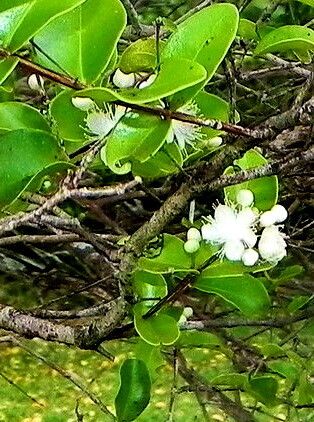
From Snipping to Thriving: Propagating Phyllanthus conjugatus, The “Stonebreaker”
Phyllanthus conjugatus, also known as the “Stonebreaker” or “Seed-under-Leaf” plant, is a fascinating medicinal herb and a beautiful addition to any home garden. But what if you could easily multiply your plants and share them with friends, or create a whole new patch of these leafy wonders? The good news is, propagation of Phyllanthus conjugatus is fairly simple! This article will guide you through the methods, offering tips for success along the way.
A Closer Look at Phyllanthus conjugatus
This herbaceous perennial hails from tropical regions, known for its distinctive foliage – small, oval-shaped leaves arranged in an alternating pattern along delicate stems. Its flowers are tiny and inconspicuous, but the plant produces small, round fruits that contain the seeds. Phyllanthus conjugatus is a popular choice in traditional medicine, often used for its diuretic and kidney-supporting properties.
The Techniques: A Quick Breakdown
There are two primary methods for propagating Phyllanthus conjugatus:
- Cuttings: This method involves taking stem cuttings and rooting them to develop new plants.
- Seeds: Phyllanthus conjugatus produces a plentiful supply of seeds, which can be collected and sown for propagation.
Let’s Dive Deeper
1. Propagation by Cuttings:
- Timing: The best time to take cuttings from your Phyllanthus conjugatus plant is during the active growing season, typically in spring or summer.
- The Process:
- Select a healthy, non-flowering stem from the plant.
- Use a sharp, clean knife or pruning shears to make a cut just below a node (where the leaves grow).
- Remove any leaves from the lower portion of the stem.
- Dip the cutting in rooting hormone powder (optional, but can encourage root growth).
- Plant the cutting in a well-draining potting mix, ensuring the bottom node is covered.
- Keep the cutting moist, but not soggy, in a warm and humid place. You can use a plastic bag or a propagation dome to create a humid environment.
- Patience is Key: Rooting can take several weeks, so be patient and monitor the cutting for signs of new growth.
2. Propagation by Seed:
- Harvesting: Once the fruits are ripe and a reddish-brown color, collect them and carefully extract the seeds.
- Sowing:
- Fill a seed tray or pot with a well-draining seed-starting mix.
- Sow the seeds thinly on the surface, barely pressing them into the soil.
- Water gently and cover the tray or pot with a transparent dome or plastic wrap to create a humid environment.
- Germination: Keep the soil moist and warm, and the seeds should germinate in a couple of weeks. Provide bright, indirect light.
Important Tips for Success:
- Water Wisely: Both cuttings and seedlings require consistently moist soil, but avoid overwatering, which can lead to root rot.
- The Right Environment: Phyllanthus conjugatus thrives in bright, indirect light and warm temperatures.
- Patience Pays Off: While Phyllanthus conjugatus is relatively easy to propagate, it may take a little time to see results. Be patient and observe your plants closely.
Beyond the Basics:
Once your Phyllanthus conjugatus cuttings or seedlings have established themselves, you can treat them as you would any mature plant, providing regular watering, fertilizing, and repotting as needed.
Enjoy Your New Growth:
With a little effort and the right techniques, you can easily propagate Phyllanthus conjugatus, adding more of this beautiful and beneficial plant to your garden or home. Share your new plants with friends and family, and enjoy the satisfaction of creating new life from your existing plants.