
Unlocking the Beauty of Phyllodoce Glanduliflora: A Guide to Propagation
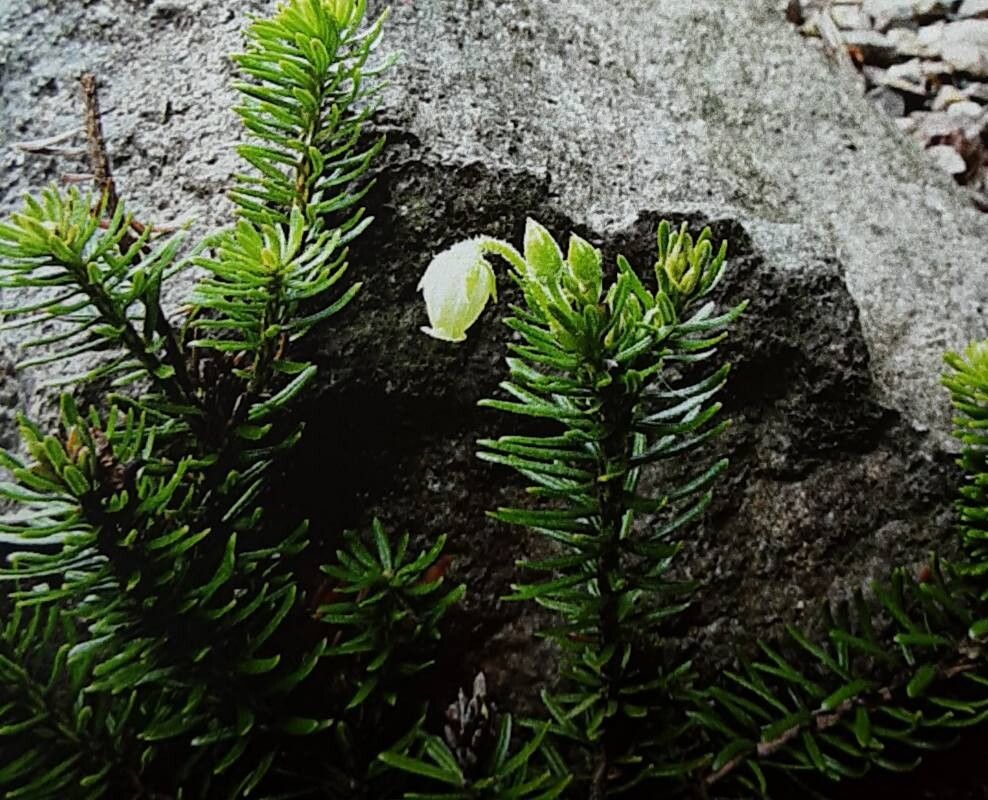
Phyllodoce glanduliflora, also known as the “Mountain Heather,” is a captivating alpine plant with delicate, bell-shaped flowers and evergreen foliage. Its charm lies in its resilience and ability to thrive in harsh, mountainous environments. But what if you could bring this captivating beauty to your own garden? The answer lies in propagation, the art of creating new plants from existing ones.
Understanding the Process: The Wonders of Propagation
Propagation allows you to expand your garden’s collection and enjoy the unique charm of Phyllodoce glanduliflora without relying solely on purchasing new plants. It’s a rewarding experience that connects you with the natural world, allowing you to witness the miracle of life unfolding.
Methods for Multiplying Your Mountain Heather
There are two primary methods for propagating Phyllodoce glanduliflora:
1. Seed Propagation: A Patient Gardener’s Delight
- Collecting Seeds: Wait until the seed pods are mature and brown before collecting them. You can then carefully separate the seeds and remove any debris.
- Sowing Seeds: Use a seed tray or pot filled with a well-draining seed-starting mix. Scatter the seeds thinly on the surface and lightly press them into the soil. Mist the surface and cover the tray with a clear plastic dome, creating a mini greenhouse.
- Germination: Keep the seed tray in a bright location, out of direct sunlight, and maintain consistent moisture. Germination can take several weeks, even up to several months.
- Transplanting: Once seedlings have developed a few sets of true leaves, carefully transplant them into individual pots.
2. Stem Cuttings: A Faster Route to Propagation
- Selecting Cuttings: Choose healthy, semi-hardwood stems from the current season’s growth in the late spring or early summer.
- Preparing Cuttings: Cut the stems just below a leaf node, making a clean, angled cut. Remove any leaves that will be submerged in the soil.
- Rooting Hormone: Dip the cut end of the stem in rooting hormone powder. This helps stimulate root development.
- Planting Cuttings: Use a small pot filled with a well-draining potting mix. Insert the cuttings into the soil, ensuring about two-thirds of the stem is below ground.
- Care and Rooting: Keep the soil consistently moist and the cuttings in a bright location, but out of direct sunlight. Rooting can take several weeks depending on environmental conditions.
Nurturing Your New Mountain Heather Plants
Once your seedlings or cuttings have established roots, they are ready for a more permanent home. Plant them in a spot that mimics their natural habitat – a well-drained soil with plenty of sun.
Tips for Success:
- Patience is Key: Remember, propagation takes time. Don’t be discouraged if you don’t see results immediately.
- Moisture is Crucial: Maintain a consistently moist environment for your seedlings and cuttings.
- Protect from Extremes: Ensure your new plants are protected from harsh weather conditions, especially during their first year.
- Enjoy the Journey: Propagation is a rewarding experience. Witnessing the growth of your new plants is a testament to the resilience and beauty of nature.
Conclusion:
Propagation allows you to connect with the natural world, expanding your garden collection and appreciating the resilience of Phyllodoce glanduliflora. Whether you choose the patient path of seed propagation or the faster route of stem cuttings, you’ll find yourself captivated by the joy of bringing new life into your garden, one Mountain Heather at a time.