
Multiplying the Magic of Horned Rampion (Phyteuma gallicum)
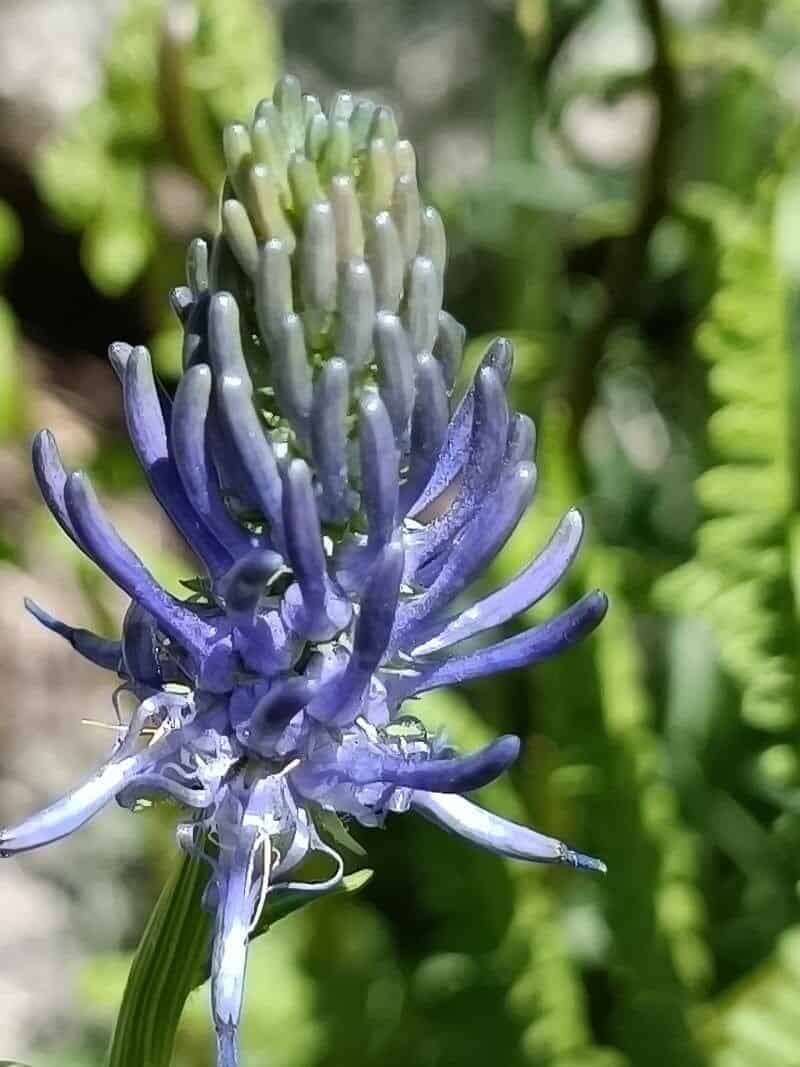
Horned Rampion (Phyteuma gallicum), with its enchanting clusters of deep blue, almost black, flowers resembling tiny, whimsical horns, is a sight to behold. Native to the mountains of southern and central Europe, this unique perennial adds a touch of wild elegance to any garden.
While admiring its beauty is a joy in itself, wouldn’t it be wonderful to multiply this magic throughout your garden? Luckily, propagating Horned Rampion is an achievable endeavor, offering two primary methods:
1. Seeds: A Journey of Patience and Reward
Propagating Horned Rampion from seeds is a rewarding, albeit time-consuming, process. Embrace the journey with these steps:
- Seed Collection: As the flowers fade, small seedpods form. Collect these pods once they turn brown and dry, gently crushing them to reveal the tiny seeds within.
- Sowing Time: For optimal results, sow the seeds in late autumn or early winter. This allows them to experience the natural freeze-thaw cycle they need for germination.
- Sowing Medium: Choose a well-draining seed starting mix, or create your own using a blend of peat moss, perlite, and vermiculite.
- Sowing Depth: Sprinkle the seeds evenly on the surface of the dampened mix, pressing them in lightly but avoiding burying them too deep.
- Light and Location: While Horned Rampion seeds need light to germinate, protect them from strong, direct sunlight. A bright windowsill or a seed starting setup with grow lights works well.
- Patience is Key: Germination can be slow and erratic, taking anywhere from a few weeks to a couple of months. Maintain consistent moisture in the mix and be patient.
- Transplanting: Once the seedlings develop a couple of true leaves, transplant them into individual pots filled with a well-draining potting mix.
- Gradual Hardening Off: Before introducing your seedlings to their permanent outdoor location, gradually acclimate them to the outdoor environment by hardening them off for a week or two.
2. Division: Sharing the Bounty of Established Clumps
For a quicker and more predictable propagation method, consider dividing established clumps of Horned Rampion:
- Best Time for Division: Spring is the ideal time for dividing this perennial, as new growth begins.
- Gentle Lifting: Using a garden fork, carefully lift the entire clump from the ground.
- Careful Separation: Gently tease apart the plant into smaller sections, ensuring each division has a good amount of roots attached.
- Replanting: Choose a location with well-drained soil and partial shade, and replant the divisions at the same depth they were growing before.
- Consistent Watering: Water the newly planted divisions regularly to help them establish themselves in their new home.
Tips for Success:
- Well-drained Soil: Horned Rampion thrives in well-drained soil. Amend heavy clay soils with organic matter to improve drainage.
- Partial Shade: While this perennial enjoys some sunlight, it performs best in partial shade, particularly during the hottest part of the day.
- Pest and Disease Resistance: Horned Rampion is relatively pest and disease-free, making it a low-maintenance choice for your garden.
Whether you choose the rewarding journey of seed propagation or the swift approach of division, multiplying your Horned Rampion is an adventure worth embarking on. With a little patience and care, you’ll be rewarded with a captivating display of these unique and charming flowers year after year.