
Unlocking the Secrets of Phytolacca polyandra: A Guide to Propagation
The plant world is full of fascinating specimens, and Phytolacca polyandra is no exception. This intriguing perennial, with its dramatic foliage and striking berries, can be a unique addition to your garden. But how do you go about propagating this intriguing plant? Let’s delve into the world of Phytolacca polyandra propagation, exploring its secrets and empowering you to grow this beauty yourself.
Understanding the Basics
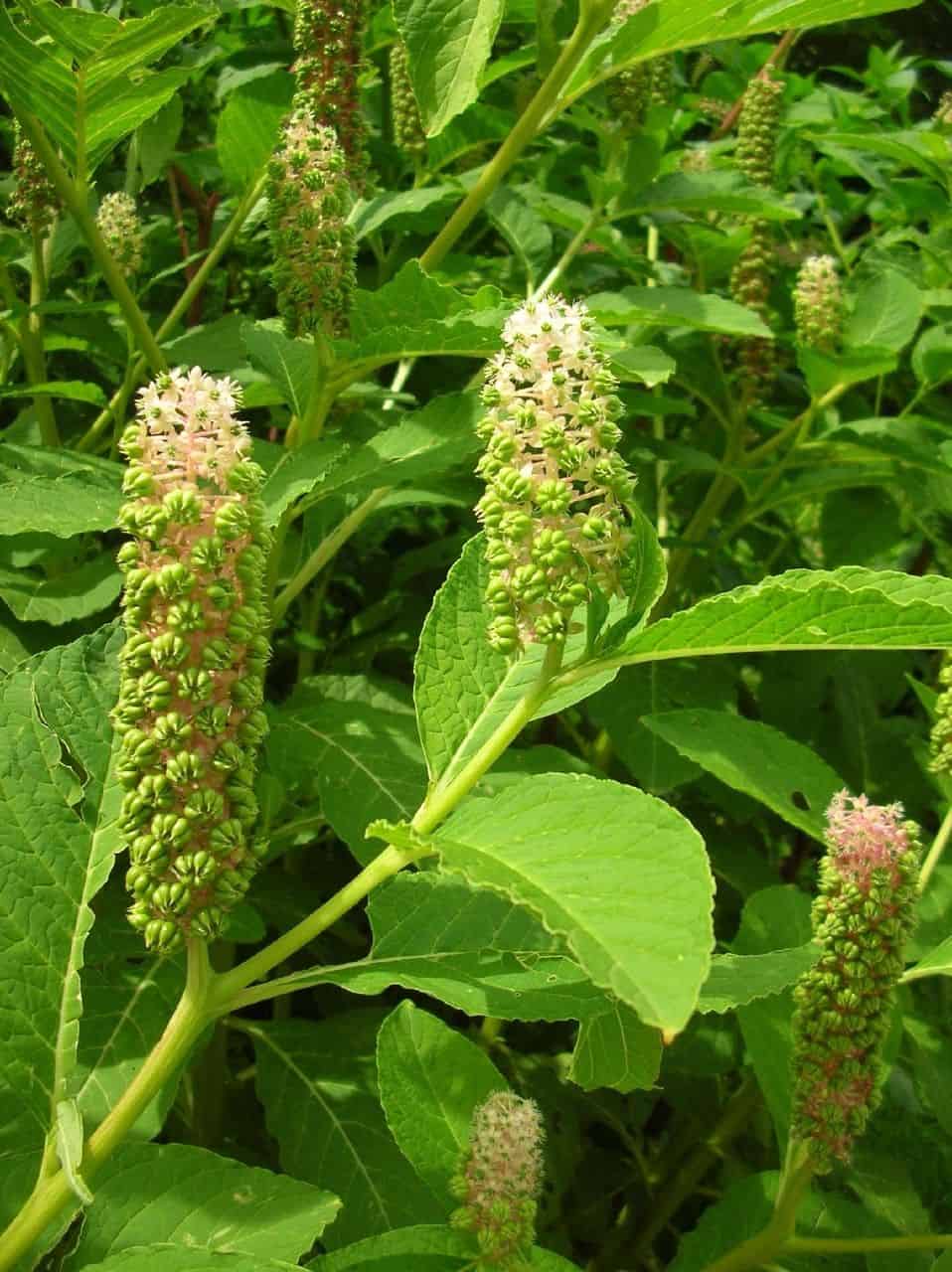
Phytolacca polyandra, commonly known as Pokeweed, is a vigorous grower known for its large, lance-shaped leaves and long, drooping clusters of dark berries. While admired for its ornamental qualities, it’s essential to note that all parts of the plant are toxic if ingested. Always wear gloves when handling and keep it away from children and pets.
Methods of Propagation
Seeds: The most common and straightforward method is propagation from seed.
- Seed Collection: Harvest mature berries in the fall. The berries will be deep purple-black when ripe.
- Seed Cleaning: Remove the flesh from the berries and soak the seeds in water for a day or two. This helps remove any germination inhibitors.
- Sowing: Sow the seeds directly outdoors in fall or start them indoors 6-8 weeks before the last frost. Lightly cover them with soil and keep the area moist.
- Germination: Seeds sown outdoors will germinate in the spring, while indoor seedlings can be transplanted outside after the danger of frost has passed.
Division: For established plants, division is another option, though less commonly practiced.
- Timing: Divide in early spring before new growth emerges.
- Division: Carefully dig up the plant, ensuring to get as much of the root system as possible. Using a sharp, clean knife or spade, divide the plant into sections, each with a good chunk of roots and healthy shoots.
- Replanting: Replant the divisions immediately in well-prepared soil. Water thoroughly.
Tips for Success
- Well-draining Soil: Phytolacca polyandra prefers moist, well-drained soil. Amend heavy clay or sandy soils with organic matter to improve drainage and moisture retention.
- Partial Shade: While it can tolerate full sun, this plant thrives in partial shade, especially in hotter climates.
- Regular Watering: Water regularly, especially during dry periods, but avoid overwatering which can lead to root rot.
- Fertilizer: While not strictly necessary, you can apply a balanced, slow-release fertilizer in spring to encourage healthy growth.
A Note of Caution
Remember, while Phytolacca polyandra is relatively easy to propagate, it’s crucial to handle it with care due to its toxicity. Always wear gloves and wash your hands thoroughly after handling any part of the plant.
Reaping the Rewards
Successfully propagating Phytolacca polyandra offers a sense of accomplishment and allows you to add a touch of natural drama to your garden. By following these tips, you can enjoy the unique beauty of this fascinating plant for years to come.