
Unlocking the Secrets of Picconia Excelsa Propagation: A Guide for Enthusiasts
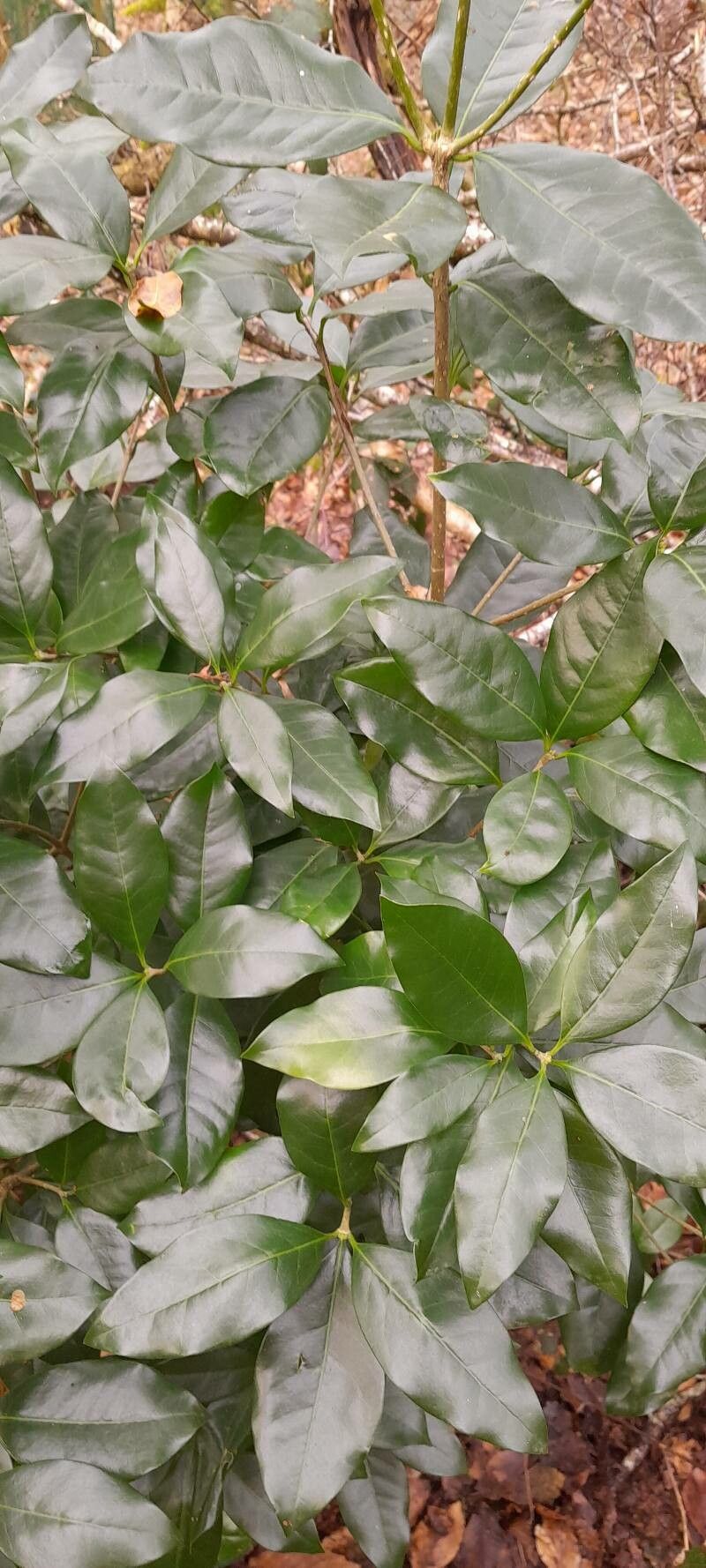
The Picconia excelsa, also known as the Azores laurel or Portuguese olive tree, is a striking evergreen boasting glossy leaves and fragrant white flowers. This beautiful tree, native to the Azores and Canary Islands, brings a touch of Mediterranean charm to gardens worldwide. But what if you want to expand your collection or share its beauty with friends? This is where mastering Picconia excelsa propagation comes in.
While this elegant tree might seem intimidating to propagate, worry not! With a bit of patience and the right techniques, you can cultivate new Picconia excelsa specimens and witness their journey from seedling to thriving tree.
Seed Propagation: Embracing the Journey from Seed to Sapling
1. Sourcing Seeds:
The journey begins with acquiring viable seeds. Picconia excelsa seeds are typically available from specialist online nurseries or collected from mature trees when the fruit ripens (usually in autumn). Remember, fresh seeds generally have a higher germination rate.
2. Seed Preparation:
Before sowing, soak the seeds in lukewarm water for 24 hours. This process softens the outer shell, encouraging faster germination.
3. Sowing and Conditions:
- Medium: Employ a well-draining seed starting mix or a blend of peat moss and perlite.
- Container: Choose a seed tray or small pots, ensuring drainage holes are present.
- Depth: Sow seeds about 1 inch deep, covering them lightly with the medium.
- Environment: Maintain consistent moisture and provide a warm, bright location, but out of direct sunlight.
4. Germination:
Patience is key. Seed germination can take anywhere from a few weeks to several months. Once germinated, provide adequate light and water as needed, taking care not to overwater.
Semi-Hardwood Cuttings: A Faster Route to New Growth
For those who prefer a speedier approach, propagating Picconia excelsa through semi-hardwood cuttings is a rewarding option. This method utilizes partially mature wood to generate new plants.
1. Timing is Key:
The ideal time to take cuttings is during the late summer or early fall when the wood is partially matured but still relatively flexible.
2. Selecting Cuttings:
Choose healthy, non-flowering shoots about 4-6 inches long. Make a clean cut just below a leaf node.
3. Preparing the Cuttings:
Remove the lower leaves, leaving only 2-3 leaves at the top. Dip the cut end in rooting hormone to encourage root development.
4. Planting the Cuttings:
- Medium: Use a well-draining rooting mix.
- Container: Choose a pot or tray with drainage holes.
- Placement: Insert the cutting into the medium, burying the bottom node.
- Environment: Provide a warm, humid environment. You can cover the pot with a plastic bag or use a humidity dome to maintain moisture.
5. Rooting and Transplanting:
With proper care, roots should develop in about 6-8 weeks. Once roots are established, gradually acclimate the cutting to outdoor conditions before transplanting it to its final location.
Caring for Your New Picconia Excelsa:
Whether you choose seed propagation or cuttings, consistent care is vital. Picconia excelsa thrives in well-drained soil and prefers a sunny to partially shaded location. Water regularly, especially during dry periods, and fertilize in spring with a balanced fertilizer.
Propagating Picconia excelsa is a fulfilling process that allows you to nurture this exquisite tree from its earliest stages. So, why not embark on this horticultural adventure? With a little effort, you can expand your garden with the beauty and fragrance of this Mediterranean gem.