
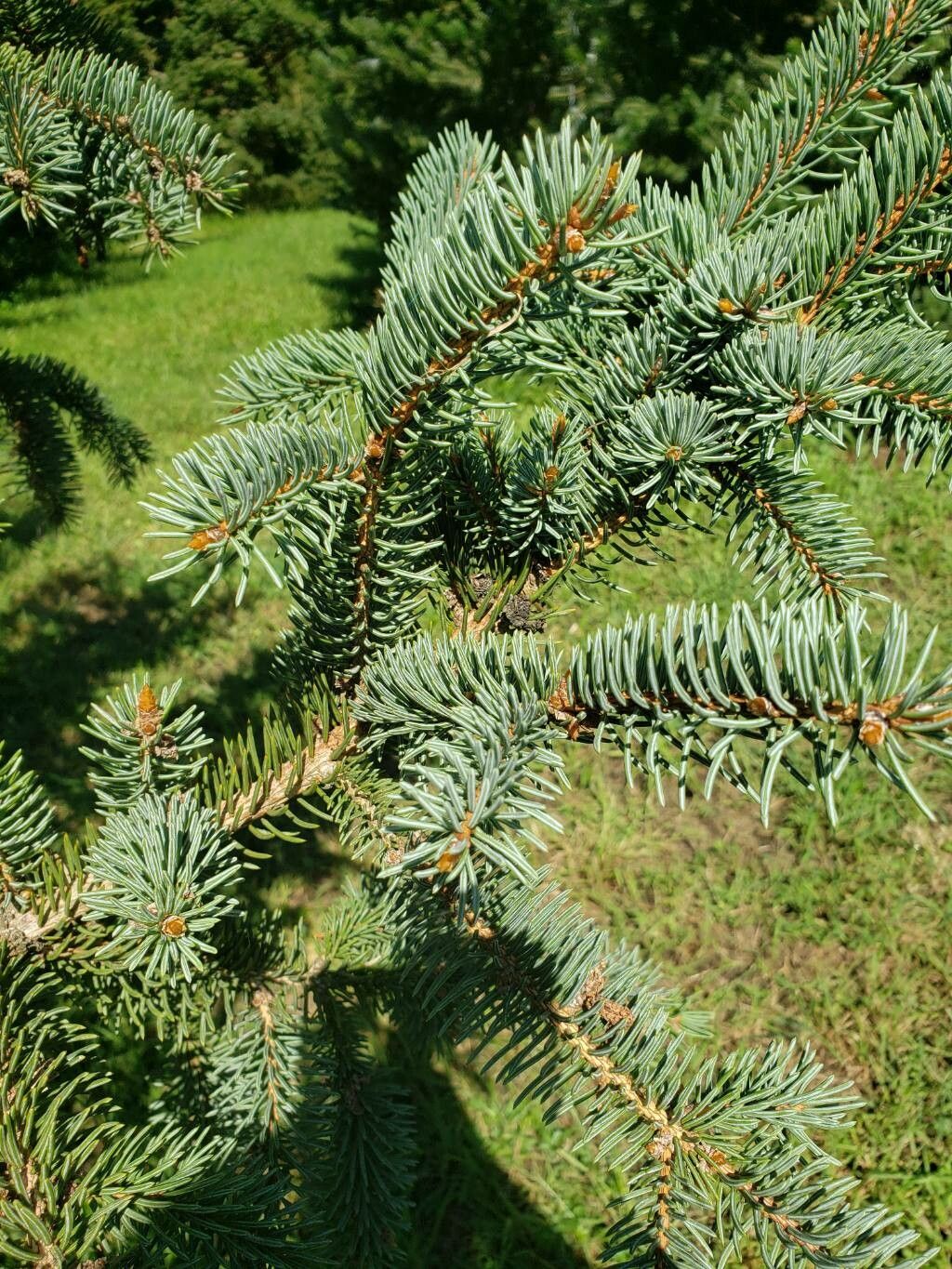
Unveiling the Secrets: How to Propagate Dragon Spruce (Picea asperata)
The Dragon Spruce (Picea asperata), with its ruggedly handsome bark and gracefully drooping branches, brings a touch of the Far East wilderness to gardens around the world. Native to western China, this hardy evergreen offers year-round beauty and a unique textural element. While finding Dragon Spruce saplings at your local nursery may be a challenge, propagating them yourself is an achievable feat, even for novice gardeners.
This guide will walk you through the two most common methods for propagating Dragon Spruce:
1. Growing Dragon Spruce from Seed:
This method requires patience, as it takes time for seeds to germinate and develop into sturdy saplings. However, it offers a rewarding and cost-effective way to expand your conifer collection.
- Seed Collection: The ideal time to collect cones is in late summer or early fall when they have matured and turned brown. Extract the seeds from the cones and store them in a cool, dry place until you’re ready to sow.
- Stratification: Dragon Spruce seeds benefit from cold stratification, a process that mimics the natural winter conditions required for germination. Place the seeds in a moist mixture of peat moss and vermiculite, seal them in a plastic bag, and store in the refrigerator for 6-8 weeks.
- Sowing: In spring, sow the stratified seeds in seed trays filled with a well-draining potting mix. Lightly cover them with soil and mist regularly to keep the medium consistently moist but not waterlogged. Place the tray in a bright location, but out of direct sunlight.
- Transplanting: Germination can take several weeks. Once the seedlings have developed a few sets of true leaves and are large enough to handle, transplant them into individual pots. Continue to grow them in a sheltered location for a year or two before planting them outdoors.
2. Propagating Dragon Spruce from Cuttings:
This method is faster than growing from seed and ensures that the new plants will possess the same desirable characteristics as the parent plant.
- Timing is Key: The optimal time to take cuttings is in late fall or early winter when the plant is dormant.
- Choosing the Right Cuttings: Select healthy, semi-mature shoots from the current year’s growth. The ideal cutting should be about 4-6 inches long with a “heel” of older wood attached.
- Preparing the Cuttings: Remove the lower needles from the cutting, leaving a few at the top. Wound the base of the cutting slightly by scraping off a small section of bark. Dip the wounded end in rooting hormone powder to encourage root development.
- Planting the Cuttings: Insert the prepared cutting into a pot filled with a well-draining rooting medium such as a mix of perlite and peat moss. Gently firm the medium around the base of the cutting.
- Creating a Humid Environment: Cover the pot with a clear plastic bag or humidity dome to maintain moisture around the cutting. Place the pot in a bright location, but out of direct sunlight.
- Rooting and Transplanting: Rooting can take several weeks to a few months. Check for root development by gently tugging on the cutting. Once roots have formed, transplant the cutting into a larger pot with well-draining potting mix.
Tips for Success:
- Use sterile tools and containers to prevent the spread of diseases.
- Provide adequate drainage to avoid root rot.
- Be patient and consistent with watering and care.
Propagating your own Dragon Spruce requires a bit of effort, but the reward of nurturing these majestic trees from their earliest stages is immensely satisfying. Soon, you’ll have new additions to your landscape that will provide beauty and enjoyment for years to come.