
From Tiny Seed to Towering Tree: Propagating the Majestic Himalayan Spruce
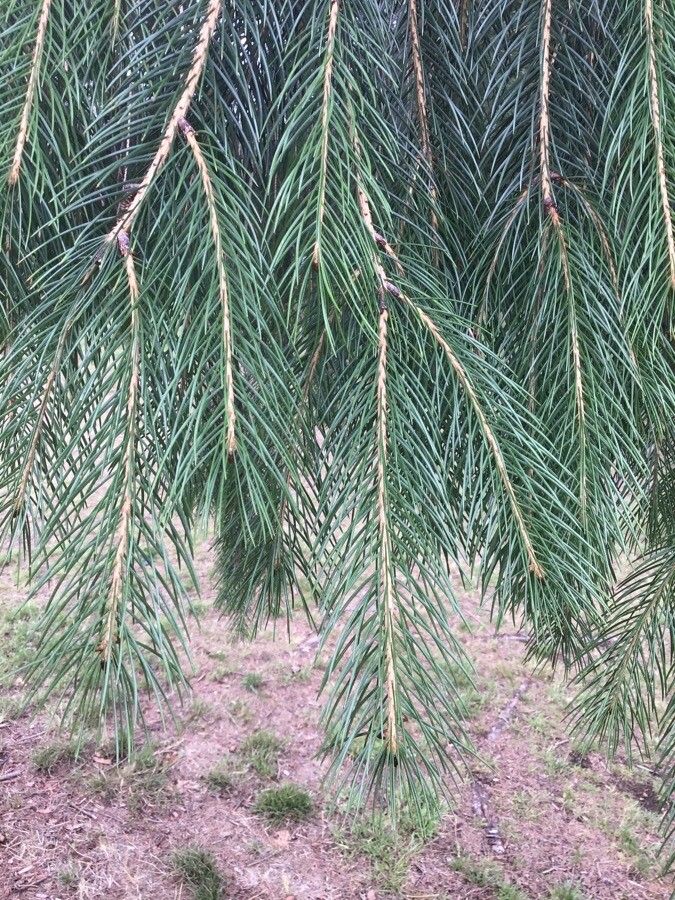
The Himalayan Spruce (Picea smithiana), with its graceful weeping branches and striking blue-green needles, is a captivating tree that adds a touch of majestic beauty to any landscape. But did you know that you can grow your own Himalayan Spruce from seed or cuttings? It’s a rewarding journey, turning a tiny seed into a towering symbol of nature’s resilience.
Starting from Seed:
- Collecting Seeds: The best time to collect seeds is in autumn when the cones ripen and turn brown. Look for cones that are fully closed but not yet opening. Gently pry open the cones and extract the seeds.
- Seed Treatment: Himalayan spruce seeds have a hard seed coat that requires stratification, a process of cold treatment to break dormancy. Mix the seeds with damp peat moss or vermiculite and store them in the refrigerator for 8-12 weeks.
- Sowing: Once stratified, sow the seeds in a seed starting tray filled with a well-draining seed starting mix. Keep the soil moist and in bright, indirect light. Germination usually takes 2-4 weeks.
- Transplanting: Once seedlings have a few true leaves, carefully transplant them into individual pots. Grow them in a protected environment for at least a year before planting them outdoors.
Propagation from Cuttings:
- Choosing Cuttings: Take softwood cuttings in late spring or early summer from new growth. Ideally, choose healthy, vigorous shoots that are about 4-6 inches long.
- Preparing Cuttings: Remove the lower needles from the cutting, leaving about 1-2 inches of bare stem. Dip the cut end into rooting hormone powder.
- Planting: Plant the cuttings in a mixture of peat moss and perlite. Keep the cuttings moist and in bright, indirect light.
- Maintaining: It may take several months for cuttings to root. Keep the soil moist and humidity levels high, which can be achieved by covering the cuttings with a plastic dome or bag.
Important Considerations:
- Climate: Himalayan Spruces thrive in cool, humid climates and prefer full sun to partial shade.
- Soil: They prefer well-drained, acidic soil with moderate fertility.
- Watering: Keep the soil consistently moist, especially during the first year of growth. Avoid over-watering, as this can lead to root rot.
- Fertilizing: Use a balanced fertilizer during the growing season to promote healthy growth.
- Pests & Diseases: Himalayan Spruces are generally resistant to pests and diseases but can be susceptible to fungal diseases like needle blight and root rot in poorly drained soils.
The Joy of Propagation:
Whether you choose to start from seed or cuttings, propagating a Himalayan Spruce is a rewarding experience. You’ll witness the miracle of life unfolding, from a tiny seed to a majestic tree that will grace your landscape for decades to come. You’ll also gain a deeper connection to nature and the beauty of its resilience.
So, embark on this journey of propagation and watch your Himalayan Spruce flourish, becoming a symbol of your commitment to gardening and the enduring beauty of nature.