
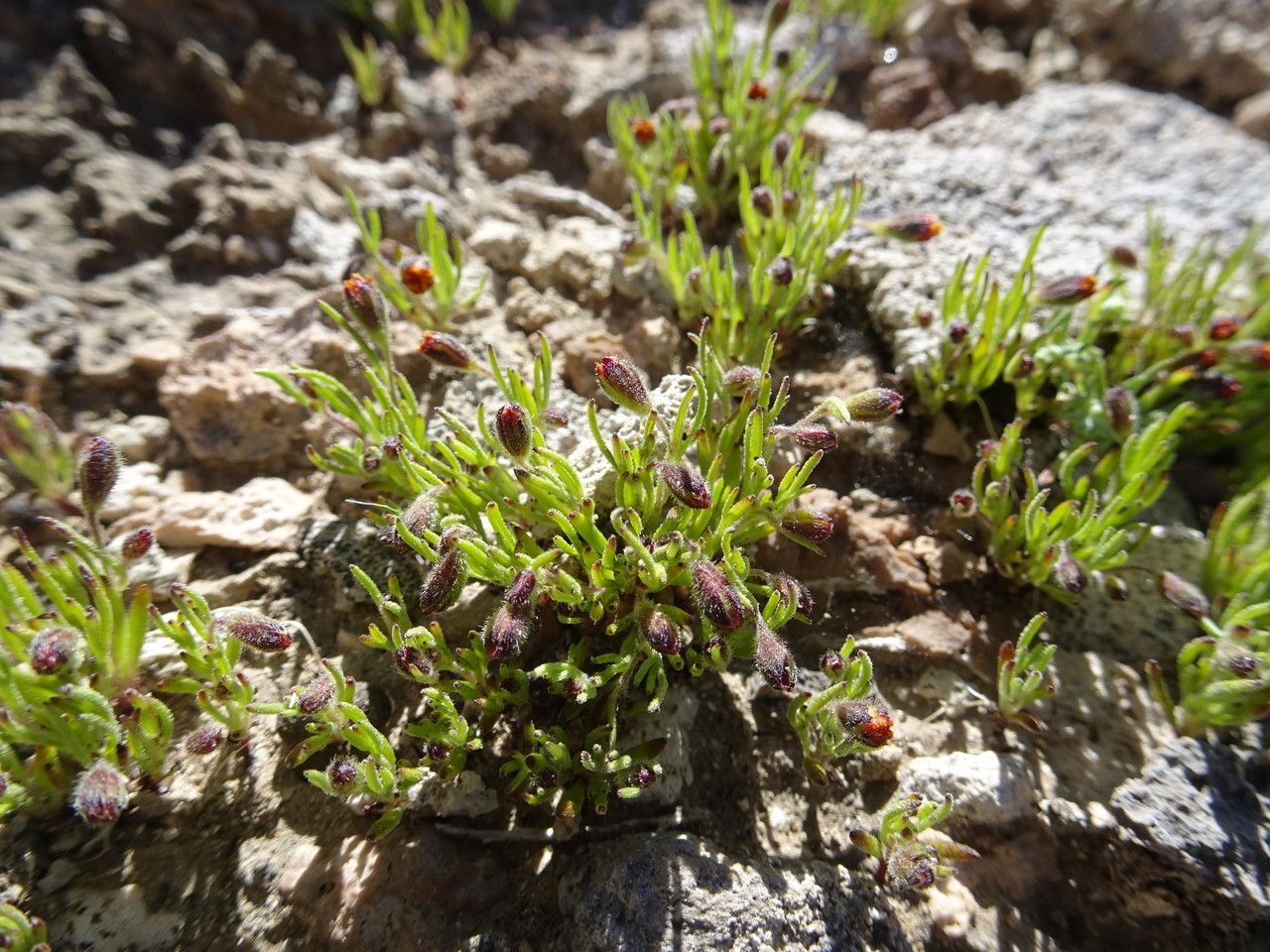
Unleashing the Floral Fury: A Guide to Propagating the Abundant Picradeniopsis Multiflora
The Picradeniopsis multiflora, also known by its charming nickname “Apache Springs blazing star,” is a showstopper with its vibrant bursts of yellow blooms. Native to the southwestern United States and Mexico, this hardy perennial thrives in arid environments, painting the landscape with sunshine hues throughout the late summer and fall. But did you know that bringing this floral fiesta to your garden is easier than you think? With a little patience and the right techniques, you can propagate your own colony of these delightful daisies.
Seeds: Planting Potential for a Floral Explosion
For the budget-conscious gardener or those who enjoy the satisfaction of nurturing a plant from its earliest stage, propagating Picradeniopsis multiflora by seed is the way to go. Here’s how:
- Timing is Key: Sow seeds in late fall or early winter, mimicking their natural cycle of germinating with the winter rains.
- Prepare the Seedbed: Choose a location with well-draining soil and ample sunlight. Lightly rake the area to loosen the top layer.
- Sow and Cover: Scatter seeds sparsely across the surface, gently pressing them into the soil. Don’t bury them too deep; a light covering of soil is sufficient.
- Water Wisely: Mist the area regularly, keeping the soil moist but not waterlogged.
- Patience is a Virtue: Germination can be slow, taking several weeks or even until spring. Once seedlings emerge, thin them out to prevent overcrowding.
Cuttings: A Shortcut to Floral Abundance
If you’re looking for quicker results and want to ensure identical plant characteristics, propagating Picradeniopsis multiflora from cuttings is an excellent method:
- Choose Your Cuttings: In late spring or early summer, select healthy, non-flowering stems around 4-6 inches long.
- Prepare the Cuttings: Remove the lower leaves from the stem, leaving only a few at the top.
- Hormone Boost (Optional): Dip the cut end in rooting hormone powder to encourage faster root development.
- Potting Up: Plant the cuttings in a well-draining potting mix, burying at least one node (where leaves were removed) below the soil line.
- Create a Humid Environment: Cover the pot with a clear plastic bag or use a propagation dome to retain moisture.
- Location, Location, Location: Place the cuttings in a bright location, but out of direct sunlight.
- Root Formation: After a few weeks, gently tug on the cuttings to check for resistance, indicating root development. Once rooted, you can transplant them into larger pots or directly into the garden.
Care Tips for Your New Blazing Stars
Once established, Picradeniopsis multiflora are relatively low-maintenance, but a little TLC goes a long way:
- Sunshine Lovers: Provide them with at least 6 hours of sunlight daily for optimal blooming.
- Drought Tolerant, Not Drought Proof: While they tolerate dry conditions, occasional deep watering during prolonged droughts will keep them thriving.
- Deadheading Divas: Remove spent blooms to encourage continuous flowering and prevent self-seeding if desired.
With a bit of effort, you can successfully propagate Picradeniopsis multiflora and be rewarded with a stunning display of sunshine-yellow blossoms that will brighten your garden and attract pollinators galore. Enjoy the floral fireworks!