
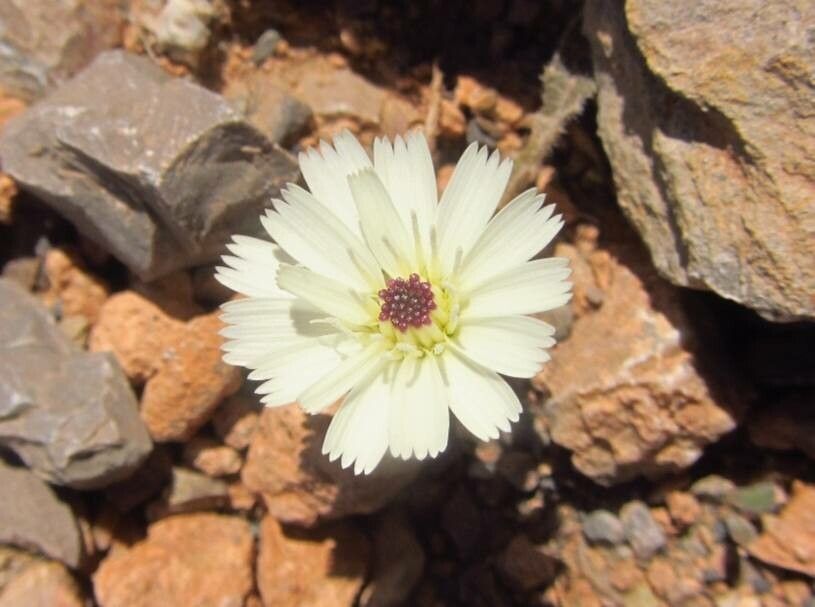
Unlocking the Secrets of Picris albida: A Guide to Propagation
Picris albida, also known as the White Oxtongue, might not yet be a household name like roses or sunflowers, but this charming wildflower deserves a place in any nature lover’s garden. With its delicate, dandelion-like blooms and intriguing foliage, Picris albida adds a touch of whimsical beauty to borders, meadows, and wildflower gardens. But how can you welcome this enchanting plant into your own outdoor space? Let’s dive into the world of propagating Picris albida!
Two Paths to Propagation
Picris albida generously offers two primary methods of propagation:
- Seed Propagation: This method embraces the plant’s natural life cycle.
- Division: For established plants, division offers a quicker route to multiplying your stock.
Seed Starting: A Rewarding Journey
Harvesting the Seeds: As Picris albida flowers fade, keep an eye out for the formation of small, brown seeds topped with fluffy white pappi (similar to dandelions). Collect these seeds carefully.
Time Your Sowing: Picris albida seeds have better germination rates with cold stratification, a process that mimics natural winter conditions. Sow seeds outdoors in late fall, directly into prepared soil, or start them indoors 6-8 weeks before your last frost date.
- Outdoor Sowing: Choose a sunny or partially shaded location with well-draining soil. Sow seeds directly on the soil surface, gently pressing them in.
- Indoor Sowing: Use seed trays filled with a well-draining seed starting mix. Sow seeds on the surface and barely cover them with a fine layer of vermiculite. Place trays in a cool location (around 40°F) for 4-6 weeks before moving them to a warmer, sunnier spot for germination.
- Nurturing the Seedlings: Picris albida enjoys moist but well-drained soil. Keep the seed starting mix consistently moist but not waterlogged. Once seedlings develop a few sets of true leaves, they can be carefully transplanted outdoors after the danger of frost has passed.
Division: Sharing the Bounty
Timing is Key: Spring is the ideal time for dividing established Picris albida plants.
Divide and Conquer: Carefully dig up the plant, ensuring you lift a good portion of the root system. Using a sharp, clean knife or garden spade, divide the plant into sections. Each section should have a healthy clump of roots and stems.
- Replanting: Choose a sunny or partially shaded location with well-drained soil. Plant the divided sections at the same depth they were originally growing. Water them well.
Caring for Your New Picris albida Plants
Picris albida is relatively low-maintenance. Here are some basic care tips:
- Light: Full sun to partial shade.
- Water: Regular watering, especially during dry spells.
- Soil: Well-draining soil.
- Fertilizer: Not generally required.
Reap the Rewards
With a little patience and care, you’ll soon be enjoying a multitude of Picris albida plants in your garden. These delightful wildflowers are sure to attract pollinators and add a touch of effortless charm to your outdoor space. So why not give propagation a try and share the beauty of Picris albida with the world?