
Unlocking the Secrets of Picris Cupuligera: A Propagation Guide for Beginners
Picris cupuligera, also known as the cup-bearing hawksbeard or narrow-leaved yellow sow thistle, may not be a household name in the gardening world, but this unassuming plant with its cheerful yellow blooms can be a delightful addition to any wildflower meadow or naturalistic planting scheme.
If you’re looking to introduce this charming species into your own green space, propagation is surprisingly straightforward. Let’s explore the methods to bring the sunny disposition of Picris cupuligera to your garden.
Understanding Picris Cupuligera:
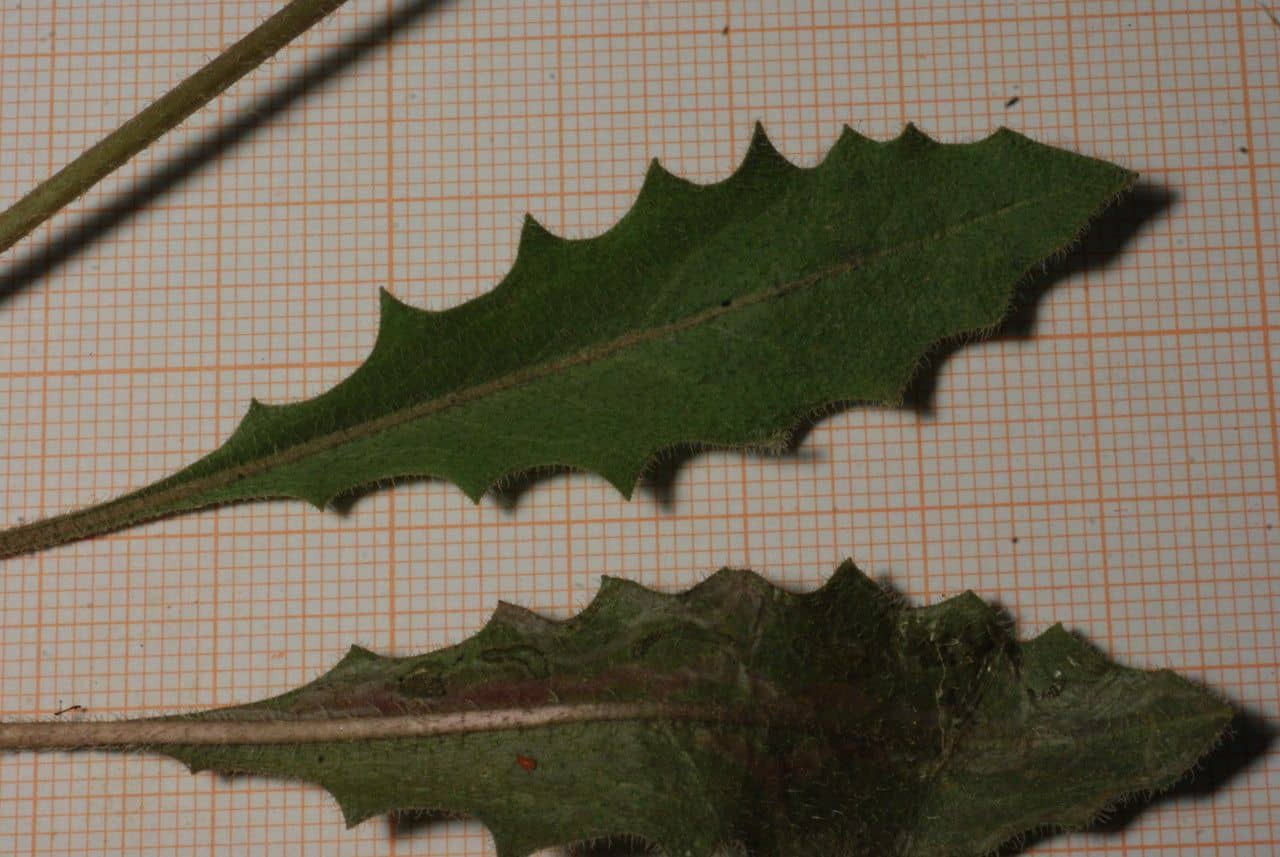
Before diving into propagation, it’s helpful to understand the plant itself. Picris cupuligera is an annual or biennial herb that typically reaches heights between 1 to 3 feet. It boasts slender stems adorned with narrow, lance-shaped leaves and culminates in brilliant yellow, dandelion-like flowers.
This plant thrives in well-drained soil and enjoys full sun to partial shade. Native to Europe, it has naturalized in parts of North America and Australia, often gracing meadows, roadsides, and disturbed areas with its cheerful presence.
The good news is that Picris cupuligera is easily propagated by seed:
1. Seed Collection:
The optimal time to collect seeds is in late summer or early autumn when the flower heads mature and transform into fluffy seed heads. Look for the seeds attached to fine, white hairs – a characteristic of the Asteraceae family to which it belongs. Gently snip the seed heads and store them in a paper bag in a cool, dry place until ready to sow.
2. Sowing:
- Direct Sowing: Picris cupuligera seeds can be directly sown into prepared garden beds in autumn or spring. Simply scatter the seeds on the soil surface and lightly rake them in, ensuring good contact with the soil. Water gently.
- Starting Indoors: For an earlier start, sow seeds indoors 4-6 weeks before the last expected frost. Use seed trays or pots filled with a well-draining seed starting mix. Sow seeds thinly and cover them lightly with soil. Mist the soil and keep it consistently moist. Once seedlings emerge and grow a few sets of true leaves, they can be transplanted outdoors after the danger of frost has passed.
Tips for Success:
- Light: Picris cupuligera seeds require light for germination. Ensure they are not buried too deeply.
- Moisture: Keep the soil consistently moist, but avoid waterlogging, which can lead to seed rot.
- Transplanting: Handle seedlings carefully when transplanting to avoid disturbing the roots.
- Naturalization: Once established, Picris cupuligera readily self-seeds. Deadheading spent flowers can help control spreading if desired.
Enjoying Your Picris Cupuligera:
With minimal effort, you’ll soon have these sunny blossoms gracing your garden. Plant Picris cupuligera in wildflower meadows, naturalized areas, or even in containers to brighten your patio. They attract pollinators like bees and butterflies, adding another layer of beauty and benefit to your garden ecosystem.
Propagating Picris cupuligera is a rewarding experience for both novice and experienced gardeners alike. So go ahead, embrace the simplicity, and enjoy the charm of this often-overlooked wildflower in your outdoor haven.