
Propagating Pieris japonica: Unveiling the Secrets of the Japanese Andromeda
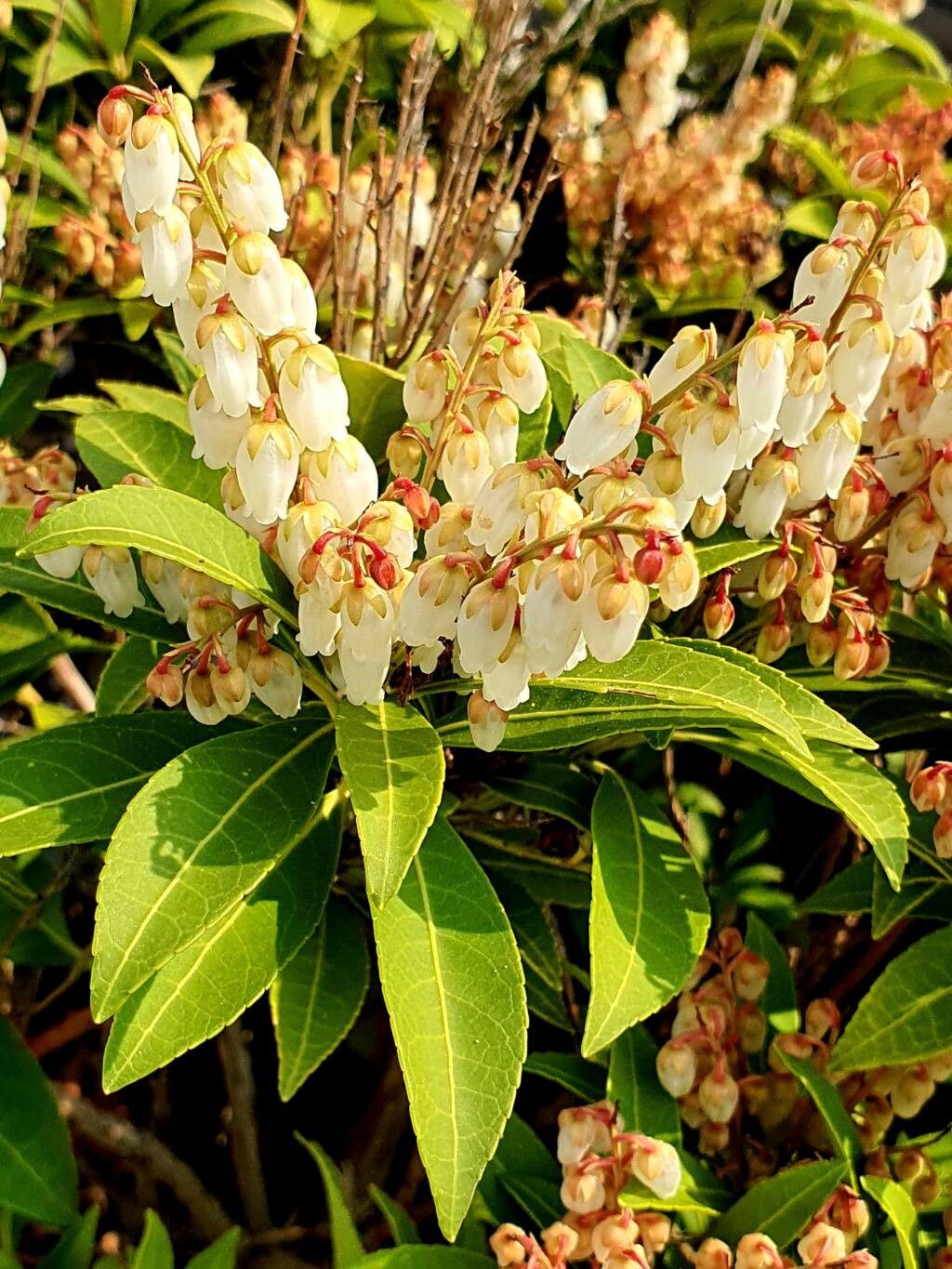
Pieris japonica, commonly known as Japanese Andromeda, is a prized ornamental shrub beloved by gardeners worldwide for its stunning foliage and delicate, bell-shaped flowers. Its vibrant new growth, often tinged with shades of bronze, red, or pink, provides striking contrast against its dark green mature leaves. The pendulous flower clusters, appearing before or with the new spring leaves, add another dimension of beauty. This popularity, however, makes propagation a particularly enticing—and sometimes challenging—endeavor for plant enthusiasts. The unique characteristics of Pieris, including its slow growth and specific environmental needs, influence the success of various propagation methods.
Seed Germination:
Currently, there are no known reliable methods for seed germination propagation of Pieris japonica. While seeds may be produced, the germination rate is extremely low and inconsistent, making this approach impractical for most gardeners. The complexities of seed dormancy and the specific environmental conditions required for successful germination often prove insurmountable.
Cuttings:
Cuttings offer a more viable method for propagating Pieris japonica. However, it’s not without its challenges.
- Challenges: Pieris cuttings are notoriously slow to root. Success depends heavily on precise timing, sterile conditions, and careful aftercare. Using semi-hardwood cuttings taken in late summer or early autumn generally yields the best results.
- Practical Tips: Use a sharp knife or shears to take 4-6 inch cuttings from non-flowering stems. Remove lower leaves to prevent rot. Dip the cut ends in a rooting hormone powder and plant them in a well-draining rooting medium (e.g., a mix of perlite and peat moss). Maintain high humidity using a propagator or humidity dome, and provide bright, indirect light. Consistent moisture is essential but avoid overwatering, which can lead to fungal diseases.
- Rewards: Successfully rooted cuttings provide genetically identical plants to the parent, preserving desirable traits. This is a more efficient method than seed propagation for larger-scale production or when specific cultivars are desired.
Division:
Division is a less common propagation method for Pieris japonica because it requires established, mature plants.
- Challenges: Pieris japonica doesn’t readily lend itself to division. The root system is often quite delicate and easily damaged, leading to plant stress and potential failure. Larger, older shrubs are best suited for division but even then success isn’t guaranteed.
- Practical Tips: Division should only be attempted in early spring or late autumn when the plant is dormant. Carefully dig up the shrub, and gently separate it into sections, ensuring each division has a sufficient root system. Replant the divisions immediately, ensuring adequate watering and protection from harsh weather conditions.
- Rewards: Division can be a quick way to increase the number of plants from an existing one, provided it’s performed correctly and the plant is suitable.
Tissue Culture:
Tissue culture offers a highly controlled environment for propagating Pieris japonica.
- Challenges: This method requires specialized equipment, skills, and a sterile laboratory setting. It’s not a feasible option for the average home gardener.
- Practical Tips: This method involves growing plants from small tissue samples in a sterile nutrient medium. The process is complex and requires expertise in plant tissue culture techniques.
- Rewards: Tissue culture allows for rapid and large-scale propagation of genetically identical plants, ideal for commercial production and research purposes. It also offers a method of disease elimination, producing healthy, virus-free plants.
Conclusion:
Propagating Pieris japonica presents unique challenges, with significant variability in success rates depending on the chosen method. Seed propagation is largely considered unreliable. Cuttings offer a viable, albeit slower and more technically demanding, path for the home gardener. Division is limited by the plant’s structure and suitability. Tissue culture provides a high-yield approach but necessitates specialized facilities and expertise.
The satisfaction of successfully growing Pieris japonica from cuttings, however, is immense. Overcoming the challenges inherent in rooting these notoriously stubborn plants brings a unique sense of accomplishment. Patience, attention to detail, and a touch of perseverance are key to success. For those willing to invest the time and effort, the reward of these elegant shrubs thriving in your garden will be well worth it.