
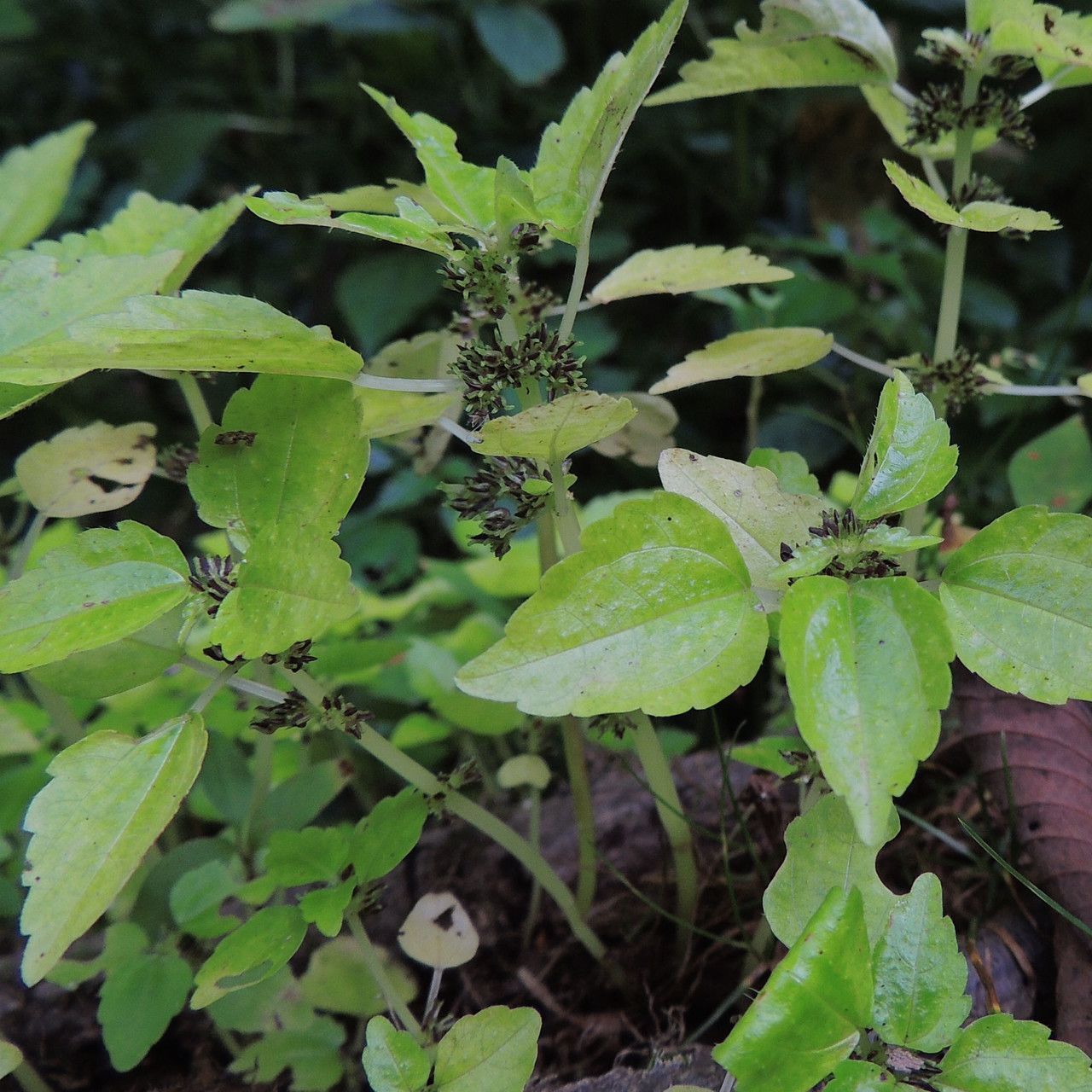
Propagating Pilea fontana: A Guide to Growing the Aquatic Artillery Plant
Introduction:
Pilea fontana, commonly known as the aquatic artillery plant or water pilea, is a charming, low-growing succulent with bright green, ovate leaves and a delightfully delicate appearance. Its popularity among houseplant enthusiasts stems from its ease of care, rapid growth, and the almost whimsical way it seems to “shoot” its pollen (a trait shared with other Pilea species, hence the "artillery plant" moniker). While readily available commercially, propagating Pilea fontana offers a rewarding experience for plant lovers, and understanding the various methods can lead to significant success. Its rapid growth makes it a particularly desirable plant to propagate for expanding your collection or sharing with fellow plant enthusiasts.
Seed Germination:
Currently, there are no known reliable methods for seed germination propagation of Pilea fontana. While the plant produces flowers, seed production is infrequent and unreliable in domestic settings. The tiny seeds, if produced, are often challenging to collect and germinate successfully. Further research into specific seed germination requirements might reveal viable techniques in the future, but for now, vegetative propagation offers far more dependable results.
Cuttings:
Challenges: Cuttings are the most straightforward and successful method for propagating Pilea fontana. However, even with cuttings, success hinges on proper technique to avoid rot.
Tips: Take stem cuttings, ideally 4-6 inches long, from healthy, actively growing shoots. Remove lower leaves to prevent rotting. Dip the cut ends in rooting hormone (optional, but beneficial) before planting in moist propagation mix (e.g., perlite, vermiculite, or a coco coir-based mix). Keep the mix consistently moist, but not soggy, and provide bright, indirect light. Rooting usually takes 2-4 weeks. You can also propagate in water, changing the water every 2-3 days to prevent bacterial growth.
Rewards: Cuttings are simple, quick, and highly effective. This method is ideal for rapidly expanding your collection of Pilea fontana.
Division:
Challenges: Pilea fontana can be propagated by division, especially when the plant becomes overcrowded in its pot. Care must be taken to avoid damaging the delicate roots during separation.
Tips: Gently remove the plant from its pot and carefully separate the root ball into smaller sections, ensuring each section has sufficient roots and stems. Replant each division into its own pot with fresh, well-draining potting mix. Water thoroughly after repotting.
Rewards: Division is a relatively easy method, particularly useful when dealing with a mature, well-established plant. It allows for the creation of multiple plants simultaneously.
Tissue Culture:
Challenges: Tissue culture propagation of Pilea fontana is technically more demanding and requires specialized equipment and a sterile environment. This method is generally not feasible for home growers.
Tips: Tissue culture necessitates a controlled laboratory setting, using sterilized media, explant selection, and careful monitoring of growth conditions. This is typically undertaken by nurseries or research facilities.
Rewards: Tissue culture offers the possibility of mass propagation and the elimination of pathogens, leading to healthier and more uniform plants.
Conclusion:
Propagating Pilea fontana offers varying degrees of challenge and reward depending on the chosen method. While seed germination is currently unreliable, cuttings and division provide accessible and successful routes for home growers. Tissue culture, while complex, holds potential for large-scale propagation. The satisfaction of nurturing a tiny cutting into a thriving plant, overcoming the potential hurdles of rot or stunted growth, is immeasurable. The resilience and ease of propagation of Pilea fontana make it an excellent choice for beginner and experienced plant propagators alike. So, embrace the challenge and discover the joy of expanding your Pilea fontana family!