
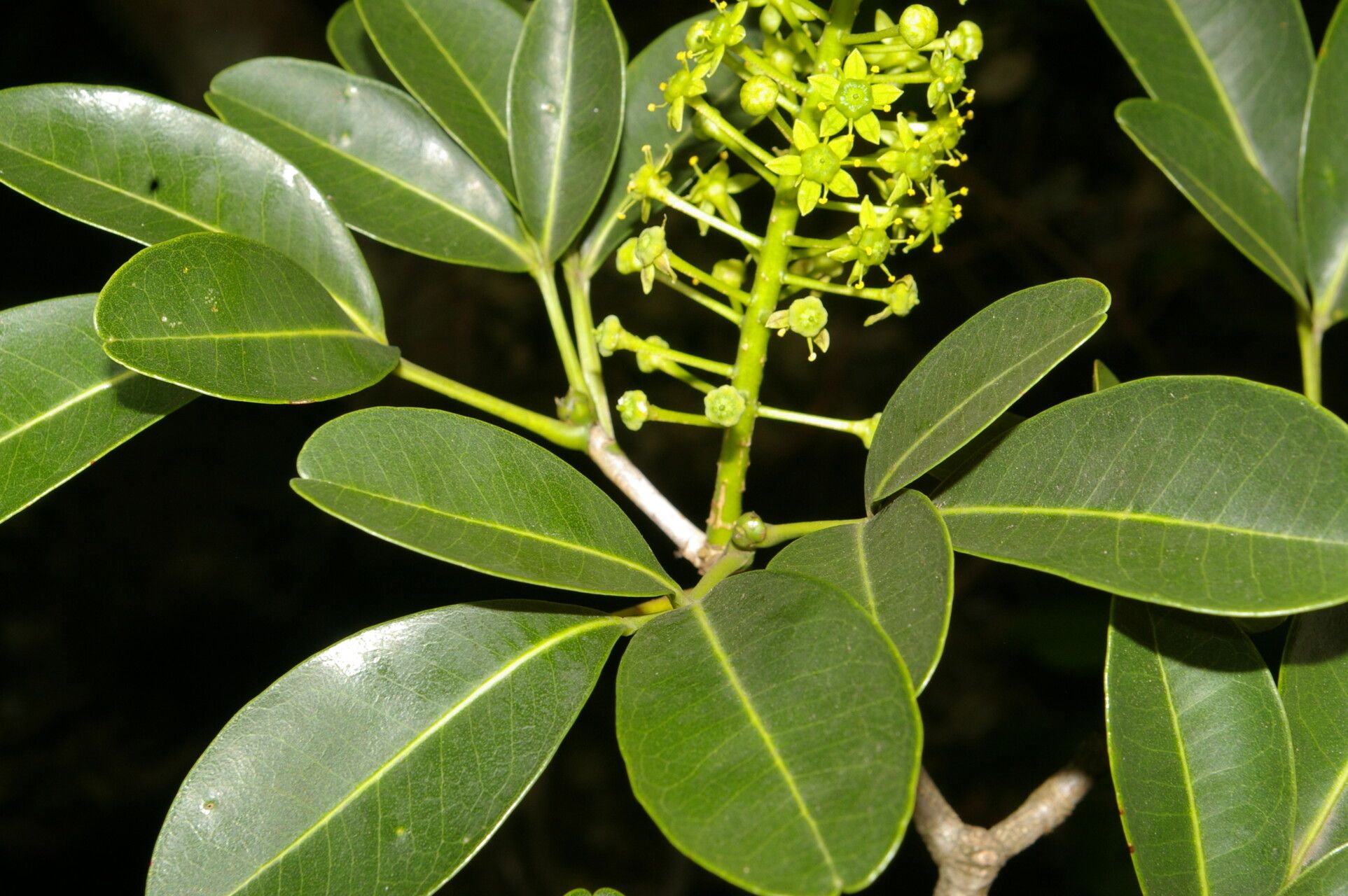
Unlocking the Secrets of Jaborandi: Propagating Pilocarpus racemosus for a Healthier You
The name “Pilocarpus racemosus” might not ring a bell, but you’ve likely heard of its more common moniker: Jaborandi. This fascinating tropical shrub, native to Brazil, has been used for centuries in traditional medicine for its powerful medicinal properties. But did you know you can cultivate this potent plant yourself? Propagation methods are surprisingly simple, allowing you to unlock the secrets of Jaborandi and enjoy its benefits firsthand.
Jaborandi’s Powerful Legacy:
Before diving into propagation techniques, let’s understand why Jaborandi is so special. Its leaves are packed with a unique alkaloid called pilocarpine, which has a remarkable impact on our bodies. Pilocarpine acts as a cholinergic agent, stimulating the parasympathetic nervous system. This translates to benefits like:
- Increased Salivation: Jaborandi helps manage dry mouth, a condition known as xerostomia, often experienced by individuals undergoing chemotherapy or those with Sjögren’s syndrome.
- Improved Eye Health: It assists in treating glaucoma by reducing intraocular pressure, a crucial factor in preserving vision.
- Enhanced Sweating: Jaborandi can promote sweating, aiding in the detoxification process and providing relief from fevers.
- Potential for Other Uses: Research is exploring Jaborandi’s potential in treating Alzheimer’s disease, improving bladder function, and even combating certain types of cancer.
Unlocking the World of Jaborandi Propagation:
Now, onto the good stuff: propagating this medicinal marvel. While Jaborandi prefers tropical climates, with a bit of know-how, you can cultivate it even in temperate zones. Here’s a breakdown of the most successful methods:
1. Seed Propagation:
- Harvest Seeds: Collect mature seeds from ripe fruits; they resemble small, black berries.
- Scarification: To stimulate germination, gently score the seed coat with sandpaper or a sharp knife.
- Sowing: Sow seeds in a seed tray filled with a well-draining potting mix. Keep the soil consistently moist but not waterlogged.
- Germination: Expect germination within a few weeks to a month under warm temperatures (around 75-85°F).
- Transplanting: Once seedlings develop a few true leaves, transplant them into individual pots or your garden bed.
2. Cuttings:
- Choose Stems: Cuttings from softwood or semi-hardwood stems offer the best success rate. Select healthy, disease-free stems with at least two nodes.
- Prepare Cuttings: Make a sharp, angled cut just below a node and remove any leaves below the cut.
- Root Hormone: Dip the cut end of the stem in rooting hormone for optimal root development.
- Planting: Plant cuttings in a well-draining potting mix, ensuring that at least one node is buried in the soil.
- Humidity & Light: Maintain high humidity around the cuttings, using a clear plastic bag or humidity dome. Provide bright, indirect light.
3. Air Layering:
- Select a Branch: Identify a healthy branch on your Jaborandi plant that is about a year old.
- Cut & Wrap: Make a ring cut about 1 inch wide around the branch, removing the bark. Apply rooting hormone to the exposed area and wrap it with moist sphagnum moss.
- Cover & Maintain: Secure the moss with plastic wrap or a plastic bag and ensure the moss stays moist.
- Roots & Separation: After a few months, roots should develop. Carefully cut the branch below the rooted portion and plant it in a new pot or your garden bed.
Cultivating Your Jaborandi Patch:
- Sunlight: Jaborandi thrives in full sun to partial shade. Choose a location that provides at least 6 hours of sunlight daily.
- Soil: This plant prefers well-draining, slightly acidic soil that is rich in organic matter.
- Watering: Water regularly, keeping the soil consistently moist but not waterlogged. Allow the top inch of soil to dry out between waterings.
- Fertilizing: Feed your Jaborandi monthly with a balanced liquid fertilizer during the growing season.
- Pruning: Regular pruning not only improves the plant’s form but also encourages bushier growth.
From Garden to Remedy:
Jaborandi’s medicinal potential is vast, making it a valuable addition to any home garden. With these propagation tips, you can easily cultivate your own supply of this powerful herb, ensuring you have access to its benefits year-round. It’s a journey that combines the thrill of nurturing a fascinating plant with the satisfaction of harnessing its natural healing properties.