
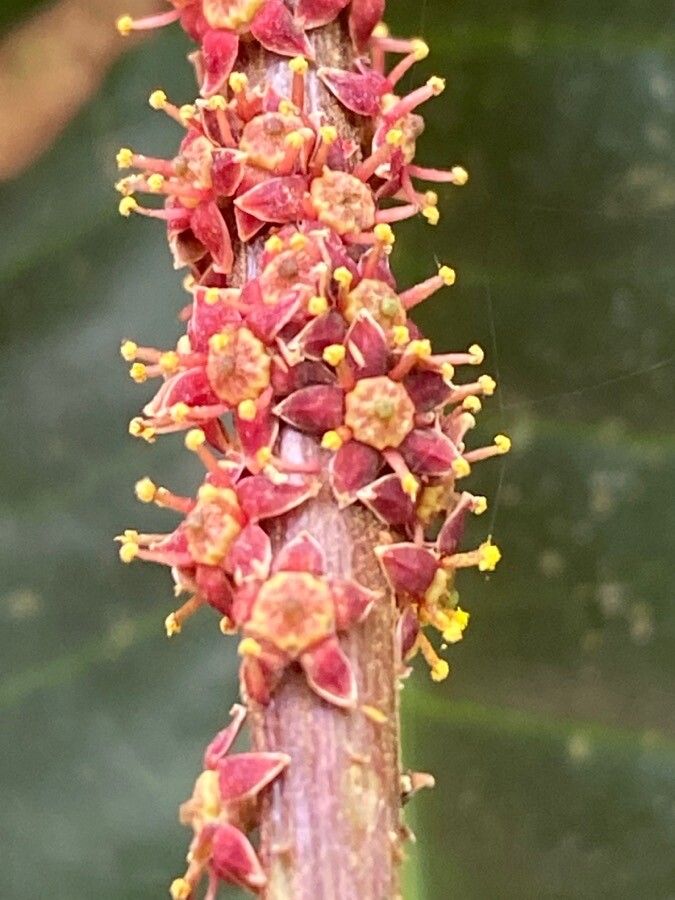
Unlocking the Secrets of the Jaborandi: How to Propagate Pilocarpus Spicatus
Pilocarpus spicatus, also known as jaborandi, is more than just an exotic-sounding plant. This fascinating shrub, native to South America, boasts a rich history in traditional medicine and plays a vital role in modern pharmaceuticals. If you’re intrigued by the idea of cultivating this unique plant, you’re in the right place. Let’s delve into the world of jaborandi propagation and explore the techniques that will help you nurture this botanical wonder.
Understanding the Jaborandi
Before we jump into propagation, let’s get acquainted with our subject. Jaborandi thrives in tropical and subtropical climates, known for its glossy leaves and small, fragrant flowers. However, the real treasure lies within – its leaves are a rich source of pilocarpine, an alkaloid used in various medications, particularly for glaucoma and dry mouth.
Propagation Methods: Choosing Your Path
There are two primary ways to propagate Pilocarpus spicatus:
1. Seed Propagation: A Test of Patience
- Source: Sourcing seeds can be tricky, as jaborandi isn’t commercially available everywhere. Look for reputable online sellers or botanical gardens specializing in medicinal plants.
- Preparation: Jaborandi seeds benefit from a period of pre-sowing treatment. Soak them in warm water for 24 hours to enhance germination rates.
- Sowing: Use a well-draining seed starting mix. Sow seeds about 1/2 inch deep and mist the soil thoroughly.
- Environment: Provide warmth (around 70-75°F) and humidity. A seedling heat mat and a humidity dome can be beneficial.
- Germination: Be prepared for a waiting game. Germination can take anywhere from a few weeks to a couple of months.
- Care: Once seedlings emerge, ensure they receive bright, indirect light and consistent moisture.
2. Stem Cuttings: A Faster Route to Success
- Timing: The best time for taking cuttings is late spring or early summer when the plant is actively growing.
- Selection: Choose healthy, semi-mature stems that are free from pests or diseases. Cuttings should be around 4-6 inches long.
- Preparation: Remove the lower leaves from the cutting, leaving a couple at the top.
- Rooting Hormone (Optional): Dipping the cut end in rooting hormone can encourage faster root development.
- Planting: Plant the cuttings in a well-draining potting mix. Keep the soil consistently moist but not waterlogged.
- Environment: Similar to seedlings, cuttings thrive in warmth and humidity. A humidity dome or plastic bag placed over the pot can help retain moisture.
- Rooting: Cuttings usually root within 4-6 weeks. Gently tug on the cutting – resistance indicates successful rooting.
Nurturing Your Jaborandi
Whether you’ve chosen the seed or cutting route, caring for your jaborandi remains consistent:
- Light: Provide bright, indirect light.
- Water: Keep the soil consistently moist but not soggy.
- Humidity: Jaborandi enjoys moderate to high humidity levels. Regular misting or using a pebble tray can help.
- Fertilizer: Use a balanced, diluted fertilizer every 4-6 weeks during the growing season.
A Rewarding Endeavor
Propagating Pilocarpus spicatus takes patience and care, but the rewards are well worth the effort. Successfully growing this remarkable plant means bringing a touch of the rainforest into your home and gaining an appreciation for a botanical marvel that holds both historical and medicinal significance. So, why not embark on this exciting journey and cultivate your own piece of jaborandi magic?