
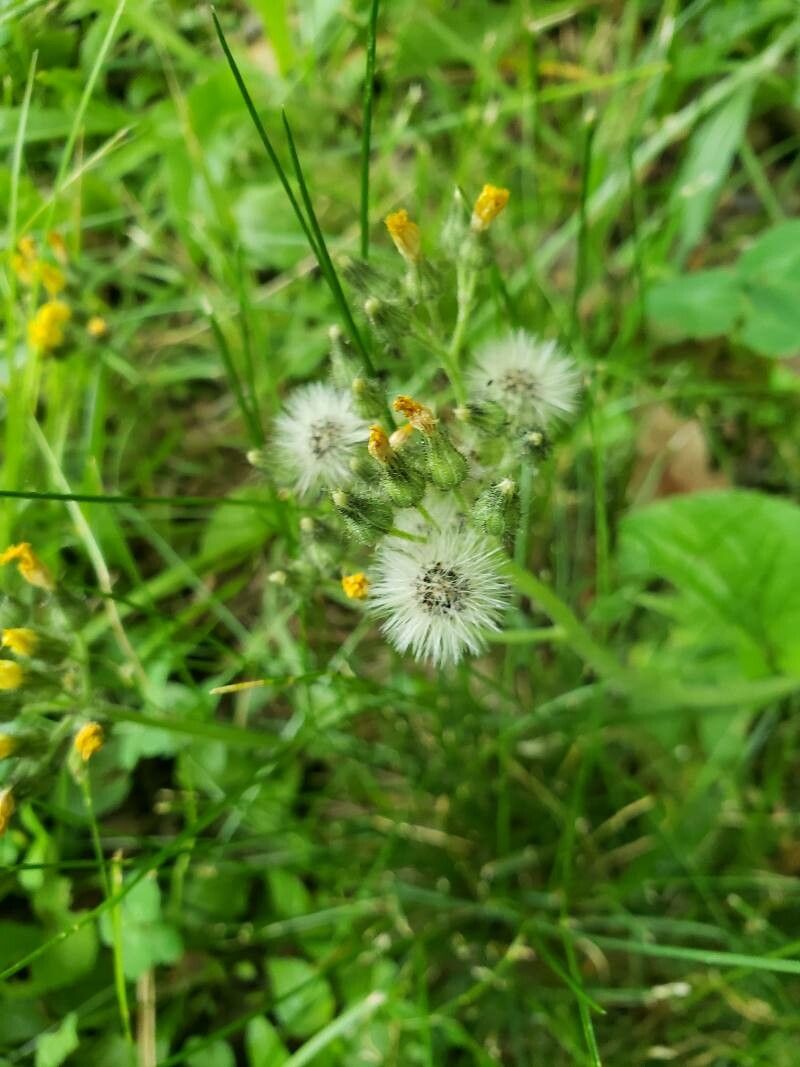
From Tiny Seeds to Thriving Patches: Propagating the Showy Hawkweed (Pilosella caespitosa)
The Showy Hawkweed (Pilosella caespitosa) is a captivating wildflower, boasting vibrant yellow blooms that brighten meadows and grasslands. Its delicate, dandelion-like flowers and feathery seed heads offer a visually appealing spectacle, but the plant’s prolific nature makes it essential to understand its propagation habits.
Understanding the Pros and Cons:
While the Showy Hawkweed’s eye-catching beauty is undeniable, its vigorous spread can be a double-edged sword. On one hand, its ability to self-seed readily makes it a natural choice for covering bare patches of land and attracting pollinators. On the other hand, its tenacious spread can become invasive if not carefully managed.
The Art of Propagation:
Fortunately, propagating the Showy Hawkweed offers various options, allowing both enthusiasts and gardeners to enjoy its beauty while keeping its growth in check.
1. Seed Propagation:
- Collection: The Showy Hawkweed produces abundant, fluffy seed heads similar to dandelions. These seeds have a high viability and are easily collected.
- Sowing: Sow seeds directly into the soil, preferably in spring or fall. Ensure the soil is well-drained and fertile. Lightly cover the seeds, as they prefer sunlight for germination.
- Thinning: Once seedlings emerge, thin them out, allowing ample space between plants for healthy growth.
2. Division:
- Timing: Spring is the perfect time to divide established Showy Hawkweed plants.
- Process: Carefully dig up a mature plant. Using a sharp knife or garden trowel, gently divide the root system. Be sure each division has healthy roots and shoots.
- Replanting: Plant the divisions in a sunny location, spacing them appropriately. Water them thoroughly and provide regular care, ensuring adequate moisture until they establish.
3. Basal Cuttings:
- Choosing the Right Cuttings: Take basal cuttings from healthy, non-flowering shoots during the spring or early summer.
- Preparation: Dip the cuttings in rooting hormone to promote root growth.
- Planting: Plant the cuttings in a moist, well-drained rooting medium. Keep them in a shady location with adequate humidity.
- Care: Regular watering and misting are crucial during the rooting period.
Tips for Controlling Growth:
- Deadheading: Remove spent flower heads before they release seeds to control self-seeding.
- Mulching: Organic mulches like wood chips or straw can help suppress weed growth and minimize seed dispersal.
- Hand-weeding: Regularly pull out any seedlings that appear in unwanted areas.
Conclusion:
The Showy Hawkweed offers a unique opportunity to experience the beauty of wildflowers, both in the garden and in natural landscapes. Mastering its propagation techniques allows responsible cultivation while preventing invasive spread. Whether you choose seeds, division, or cuttings, remember to observe its growth habits and adjust your care as needed.
With a little understanding and a touch of green thumb, you can enjoy the captivating display of the Showy Hawkweed without compromising its natural environment.