
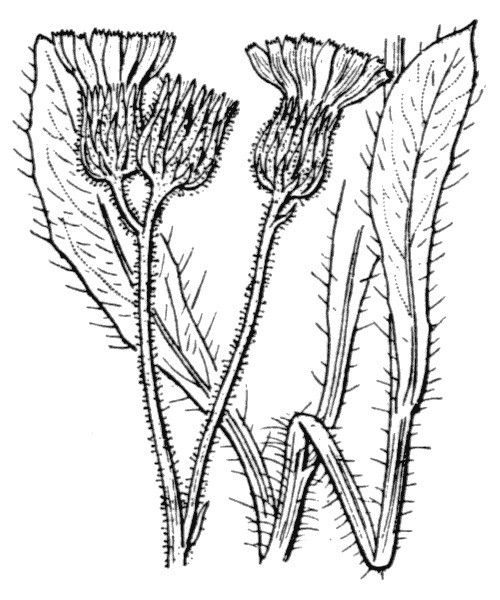
Whisker Spreading: Demystifying Pilosella flagellaris Propagation
Pilosella flagellaris, more whimsically known as the whipcord hawkweed or stoloniferous hawkweed, is an intriguing plant with a unique growth habit. This ground-hugging species, native to Europe and now naturalized in North America, is admired for its delicate dandelion-like flowers and its fascinating ability to spread rapidly. If you’re looking to introduce this tenacious yet charming plant to your garden, understanding its propagation methods is key.
Understanding the Whipcord:
Pilosella flagellaris earns its common names thanks to its characteristic stolons, which are long, thin stems that grow horizontally along the ground. These “whips” are anything but fragile, acting as the plant’s primary mode of reproduction. Along these stolons, new plantlets form at regular intervals, each capable of developing roots and becoming an independent plant. This process makes Pilosella flagellaris a vigorous spreader, quickly colonizing areas and forming dense mats of foliage.
Propagating with Ease:
The very characteristic that makes Pilosella flagellaris a successful colonizer also makes it remarkably easy to propagate. Here are the most effective methods:
Stolon Cuttings:
- This is the most straightforward method capitalizing on the plant’s natural propagation technique.
- Simply locate a healthy stolon with well-developed plantlets.
- Using a sharp, clean knife or shears, sever the stolon a few inches from the plantlet on either side.
- Plant the cutting into a prepared bed or pot with well-draining soil, ensuring the plantlet is at the soil surface.
- Water regularly until established, and watch as your new Pilosella flagellaris patch takes root.
Seed Sowing:
- While not as common as stolon propagation, Pilosella flagellaris also readily grows from seeds.
- Collect mature seed heads from existing plants, recognizing that they resemble miniature dandelion clocks.
- Sow seeds directly into the garden in spring or early fall, lightly pressing them into the soil.
- Keep the seedbed consistently moist until germination occurs.
Tips for Success:
- Well-Draining Soil: Pilosella flagellaris thrives in well-drained soil and dislikes overly wet conditions.
- Sunlight Requirements: Plant in a location that receives full sun to partial shade.
- Managing Spread: Be mindful of the plant’s vigorous nature. Regular monitoring and removal of unwanted stolons will help control its spread.
A Rewarding Addition:
Propagating your own Pilosella flagellaris is a rewarding endeavor, allowing you to witness firsthand the fascinating growth habits of this charming plant. Whether you choose to propagate through stolons or seeds, success is easily achievable with minimal effort. With proper care and a watchful eye, you can enjoy the delicate beauty of Pilosella flagellaris in your own garden, marveling at its unique ability to “whip” its way across the landscape.