
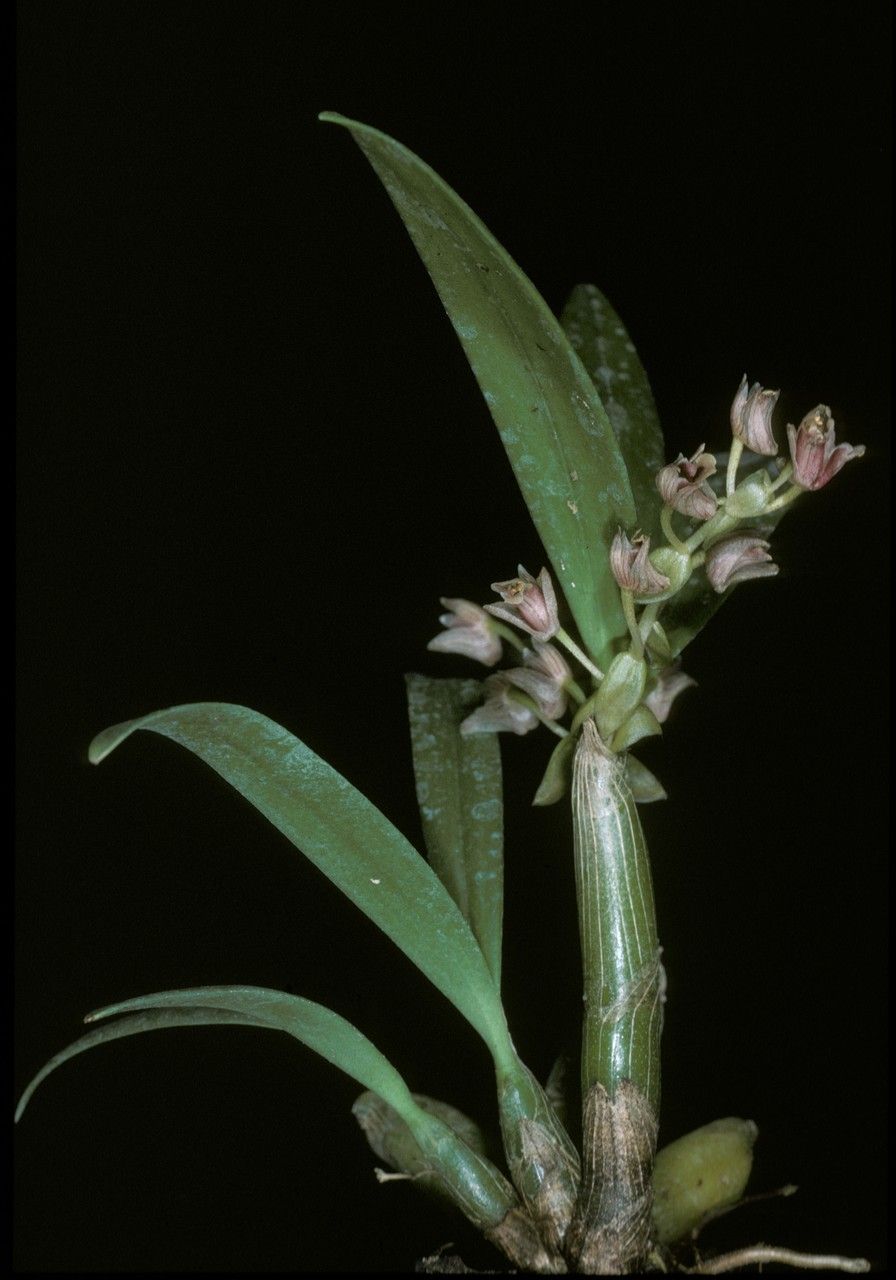
Unlocking the Secrets to Propagating the Exquisite Pinalia Clavata Orchid
The world of orchids is a captivating one, filled with diverse shapes, sizes, and colors that mesmerize plant enthusiasts. Among these botanical gems shines the Pinalia clavata, a species known for its elegant, drooping inflorescences adorned with charming, crystalline white flowers. While admiring its beauty is a joy, successfully propagating this delicate orchid can be a rewarding challenge for any plant lover.
This article delves into the intricacies of propagating Pinalia clavata, providing you with the knowledge and techniques to expand your orchid collection or share these captivating plants with others.
Understanding the Pinalia Clavata
Native to Southeast Asia, Pinalia clavata is an epiphytic orchid, meaning it grows on other plants for support, typically trees, without harming them. This nature influences its propagation methods, which differ significantly from terrestrial plants.
Methods for Propagating Pinalia Clavata:
Division:
- Best for: Mature, healthy plants with multiple pseudobulbs (swollen stems).
- Timing: After flowering, during the active growth phase.
- Method:
- Carefully remove the plant from its pot.
- Gently disentangle the roots and locate sections with at least 3-4 healthy pseudobulbs.
- Using a sterilized knife or shears, divide the rhizome (horizontal stem connecting pseudobulbs) ensuring each section has healthy roots attached.
- Pot each division in a well-draining orchid mix with adequate air circulation.
- Aftercare: Maintain humidity, provide bright, indirect light, and water sparingly until new growth emerges.
Keiki Paste:
- Best for: Encouraging offshoots (keikis) from existing pseudobulbs.
- Timing: During active growth periods.
- Method:
- Apply a small amount of keiki paste to the nodes (small bumps) on a mature pseudobulb.
- Ensure the paste covers the node completely.
- Aftercare: Maintain optimal Pinalia clavata care. Keikis may take several weeks to develop. Once they have roots, they can be separated and potted independently.
- Best for: Experienced growers with access to specialized equipment and sterile environments.
- Note: This method is challenging due to the complex requirements of orchid seeds for germination. It requires sterile flasks, nutrient mediums, and controlled environments, making it less suitable for hobbyists.
Important Considerations:
- Potting Medium: Pinalia clavata requires an airy, well-draining mix. A blend of coconut chips, bark, and perlite is ideal.
- Watering: Overwatering is detrimental. Water only when the potting mix is almost dry, allowing excess water to drain completely.
- Humidity and Light: Aim for humidity levels around 60-70% and provide bright, indirect light. Avoid direct sunlight which can scorch the leaves.
Patience Is Key:
Propagating Pinalia clavata, like many orchids, requires patience. It might take weeks or even months for divisions to establish or keikis to develop. Yet, the reward of witnessing new growth and eventually, the delicate beauty of its flowers makes the effort truly worthwhile.
By understanding the unique needs of this exquisite orchid and following these propagation techniques, you can increase your chances of success and play an active role in ensuring the continued appreciation of the captivating Pinalia clavata.