
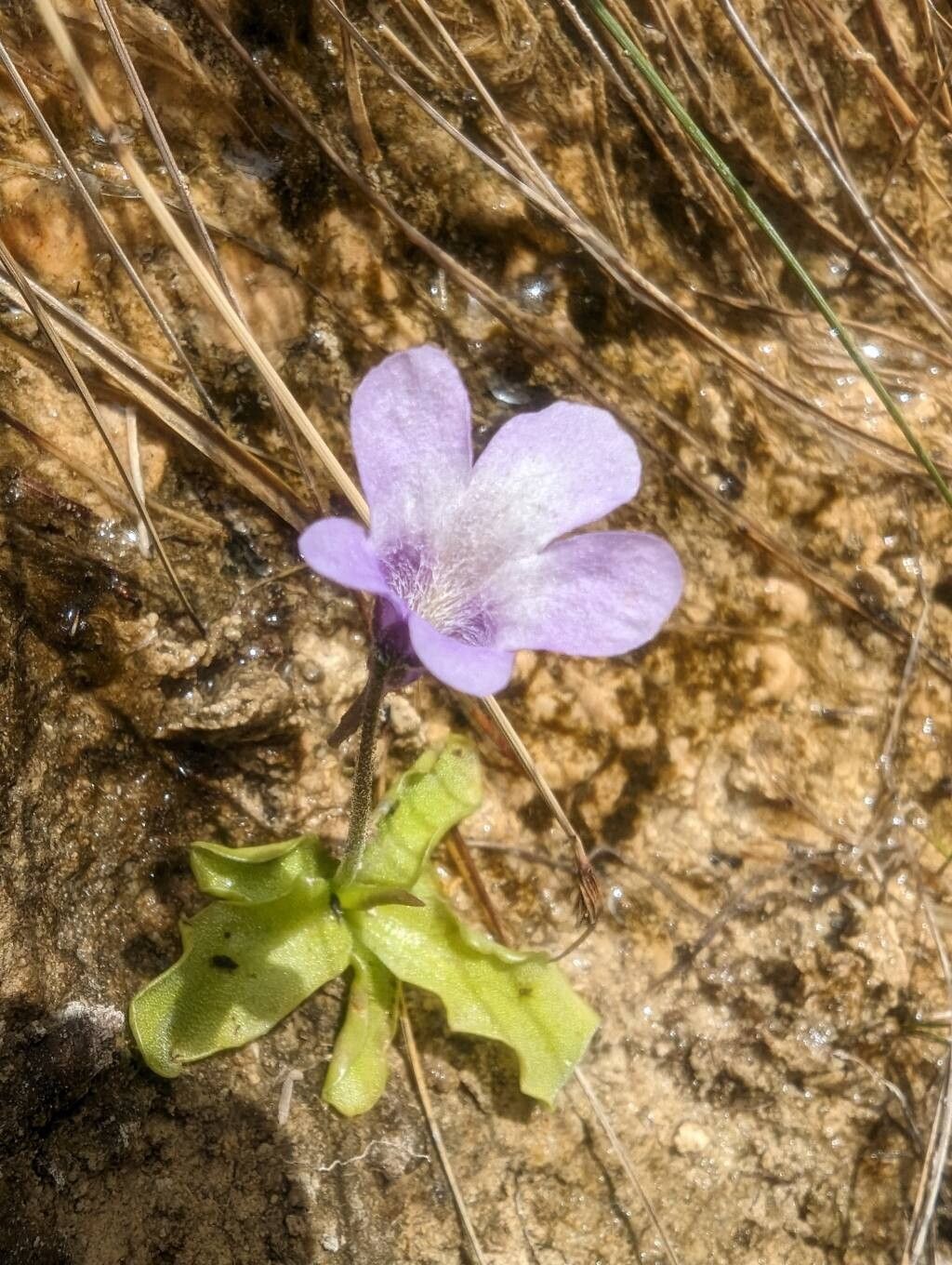
Unleashing the Magic of Butterwort: Propagating Pinguicula dertosensis
The Pinguicula dertosensis, known as the “Butterwort” for its glistening, dew-covered leaves, is a fascinating carnivorous plant. Its beauty lies not only in its captivating appearance but also in its captivating ability to trap and digest insects. But did you know that you can easily share this magic with others by propagating your own Pinguicula dertosensis?
This article will guide you through the exciting world of butterwort propagation, unraveling the secrets of creating new plants from your existing ones.
Leaf Propagation: A Simple and Effective Method
One of the most popular and effective methods for propagating Pinguicula dertosensis is through leaf cuttings. This method is remarkably straightforward and surprisingly successful, even for beginner plant enthusiasts.
To begin your propagation journey, carefully select healthy, mature leaves from your Pinguicula dertosensis. Using a clean, sharp knife or scissors, cut the leaves close to the base of the plant, ensuring to leave a small portion of the stem attached.
Prepare a propagation tray or container filled with a suitable growing medium. A mixture of peat moss and perlite in equal parts provides excellent drainage and aeration. Gently place the leaf cuttings on the surface of the medium, ensuring they are not too crowded.
Creating the Perfect Environment
Now, it’s time to create the ideal environment for your leaf cuttings to thrive. Place the tray in a bright, indirect light location, avoiding direct sunlight.
Maintain a consistently moist environment but avoid overwatering. Regularly mist the surface of the growing medium and ensure it never completely dries out.
Within a few weeks, you’ll witness the magic of life unfolding as tiny plantlets sprout from the base of the leaf cuttings. These plantlets are the beginnings of your new Pinguicula dertosensis, ready to grow into strong and healthy plants.
Patience is Key
While exciting, remember that patience is key. Leaf propagation of Pinguicula dertosensis can take several weeks to a few months for plantlets to develop roots and become independent.
Once the plantlets are large enough, with a good root system, you can gently repot them into individual pots containing a suitable growing medium for carnivorous plants.
Seed Propagation: A More Challenging but Rewarding Option
For a more challenging yet rewarding propagation method, you can attempt seed propagation. This method requires patience and a keen eye for detail.
Pinguicula dertosensis flowers produce seed capsules after fertilization. Once these capsules mature, collect the tiny seeds and sow them onto a moist seed starting mix, keeping the surface consistently damp.
For optimal germination, you can sprinkle the seeds on the surface of a damp moss mixture for a few days, ensuring a high humidity environment. Provide plenty of indirect light and keep the growing environment warm.
Germination of Pinguicula dertosensis seeds can take several weeks, requiring careful nurturing and maintenance. However, the joy of witnessing these tiny seeds grow into beautiful carnivorous plants is truly rewarding.
Sharing the Magic
Propagating Pinguicula dertosensis allows you to share the magic of these fascinating plants with others. Whether you share your propagated plants with friends and family or start a collection of your own, the rewards are plentiful.
You’ll have the satisfaction of nurturing life and enjoying the beauty of these vibrant, carnivorous gems. So, embark on your propagation journey and unlock the captivating world of Pinguicula dertosensis – you won’t regret it!