
Propagating the Portuguese Butterwort: A Guide to Cultivating Pinguicula lusitanica
Introduction:
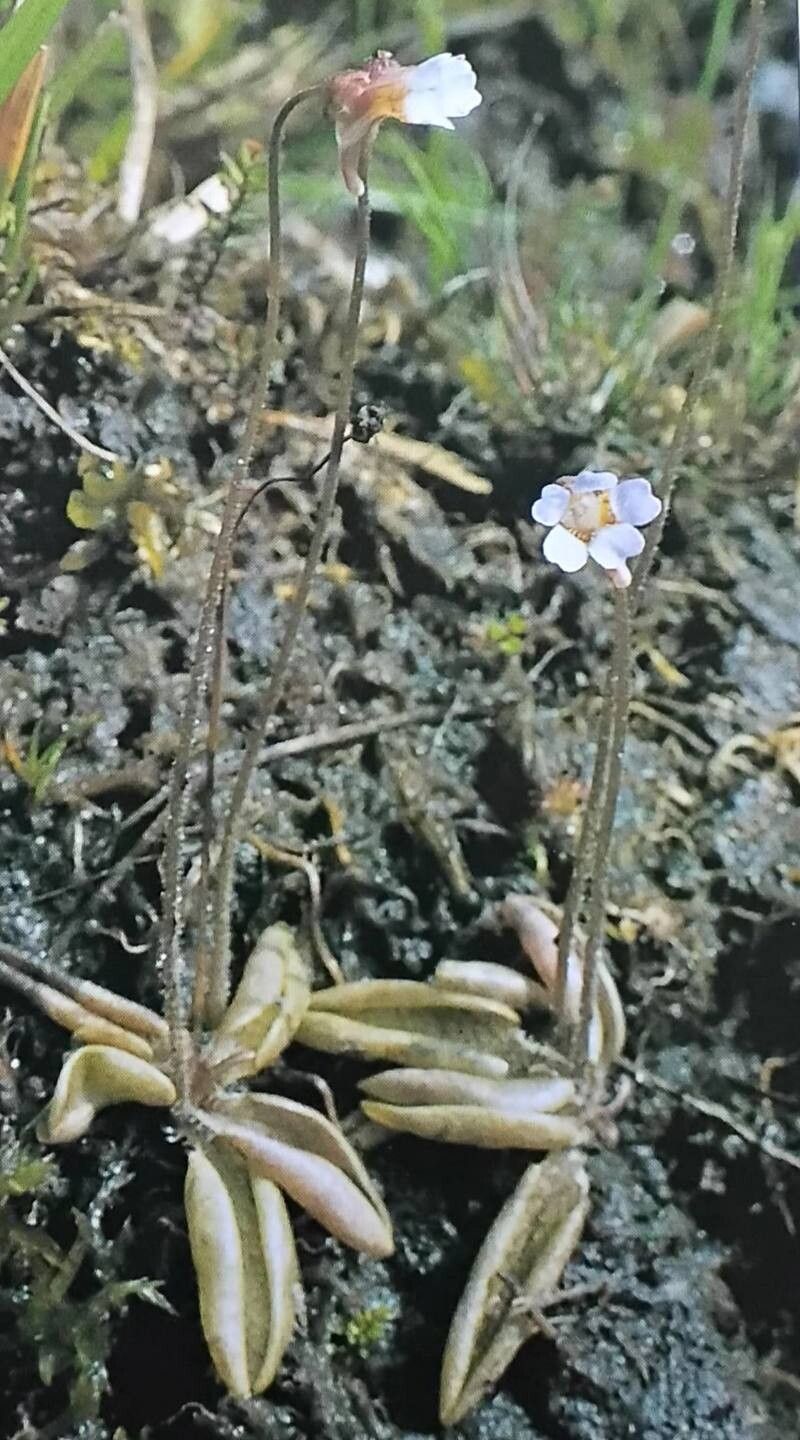
Pinguicula lusitanica, also known as the Portuguese Butterwort, is a captivating carnivorous plant native to the Iberian Peninsula. Its rosettes of succulent, glistening leaves, adorned with sticky glands that trap unsuspecting insects, make it a popular choice among carnivorous plant enthusiasts. While relatively easy to cultivate, propagating Pinguicula lusitanica presents unique challenges and rewards. Its relatively straightforward growth makes it suitable for both beginners and experienced cultivators, but mastering its reproduction requires understanding its specific needs. The unique satisfaction derived from successfully propagating this species adds to the enjoyment of growing these fascinating plants.
Seed Germination:
Seed germination in Pinguicula lusitanica is viable, but can be tricky. Challenges include a low germination rate and the need for specific conditions. Success often hinges on replicating the plant’s natural environment.
Challenges: Seeds require a cool, moist stratification period (around 4-6 weeks at temperatures between 3-5°C/37-41°F) to break dormancy before sowing. Furthermore, seeds are tiny and easily susceptible to fungal diseases if moisture levels are not carefully managed. Sterile sowing medium is crucial.
Tips: Sow seeds on the surface of a sterile, well-draining seed-starting mix (e.g., a mixture of sphagnum peat moss and perlite). Maintain consistently high humidity (using a humidity dome or propagator) and moderate light. Avoid direct sunlight. Gentle misting of the medium is preferred over overhead watering to avoid washing away the seeds.
Rewards: Successfully germinating seeds from Pinguicula lusitanica offers high genetic diversity within the resulting plants and allows for large-scale propagation, should that be desired.
Cuttings:
Currently, there are no known reliable methods for propagating Pinguicula lusitanica from cuttings. The plant does not readily produce adventitious roots from leaf or stem cuttings.
Division:
Division is a reliable and relatively straightforward method for propagating Pinguicula lusitanica.
Challenges: This method is only viable when the plant is mature and has produced sufficiently large offsets or daughter plants. Care must be taken during division to avoid damaging the roots and leaves of both the parent plant and the offshoots.
Tips: Gently separate the offsets from the mother plant, ensuring each division has a healthy root system and several leaves. Repot each division into a suitable carnivorous plant mix, ensuring good drainage.
Rewards: Division offers a relatively quick and easy way to increase the number of plants and maintains the genetic characteristics of the parent plant.
Tissue Culture:
While potentially viable, tissue culture propagation of Pinguicula lusitanica is not a commonly practiced method among home growers. This method requires specialized laboratory equipment and expertise, making it unsuitable for most enthusiasts.
Challenges: Establishing aseptic conditions, selecting appropriate culture media, and maintaining sterile environments are major obstacles. Furthermore, specialized knowledge of plant tissue culture techniques is necessary.
Tips: This method would typically involve sterilizing plant material (leaf sections or meristems), culturing on a suitable medium containing plant growth regulators, and sub-culturing as plantlets develop. (This requires significant research beyond the scope of a general guide).
Rewards: This method allows for mass propagation of genetically uniform plants, ideal for large-scale commercial production or for preservation of valuable genotypes.
Conclusion:
Propagating Pinguicula lusitanica presents varied levels of difficulty depending on the chosen method. Seed germination, while achievable, requires patience and attention to detail. Division offers a simpler, more reliable alternative for hobbyists, provided the plants are of sufficient size. Cuttings and tissue culture are presently not practical options for the average enthusiast.
The unique satisfaction of successfully cultivating Pinguicula lusitanica, particularly through seed germination, is undeniable. It represents a triumph over the challenges presented by this fascinating plant, culminating in the rewarding sight of healthy, thriving butterworts. Don’t be discouraged by initial setbacks; persistence and the right conditions will eventually lead to success. Start with the simpler division method if you’re new to propagation and then graduate to the more challenging seed germination method once you’ve gained some experience. Happy growing!