
Unlocking the Secrets of Pinguicula nevadensis Propagation: A Guide for Growing More of this Captivating Carnivore
The Pinguicula nevadensis, with its glistening, dewdrop-like traps, is a carnivorous plant that commands attention. Unlike the more famous Venus flytrap, this butterwort species employs a passive trapping mechanism, relying on sticky mucilage to ensnare unsuspecting insects. But the allure of the Pinguicula nevadensis extends beyond its carnivorous habits – its delicate beauty and unique life cycle make it a fascinating addition to any plant enthusiast’s collection. If you’re captivated by this intriguing species and eager to expand your collection, mastering propagation is key.
Understanding the Pinguicula nevadensis Life Cycle
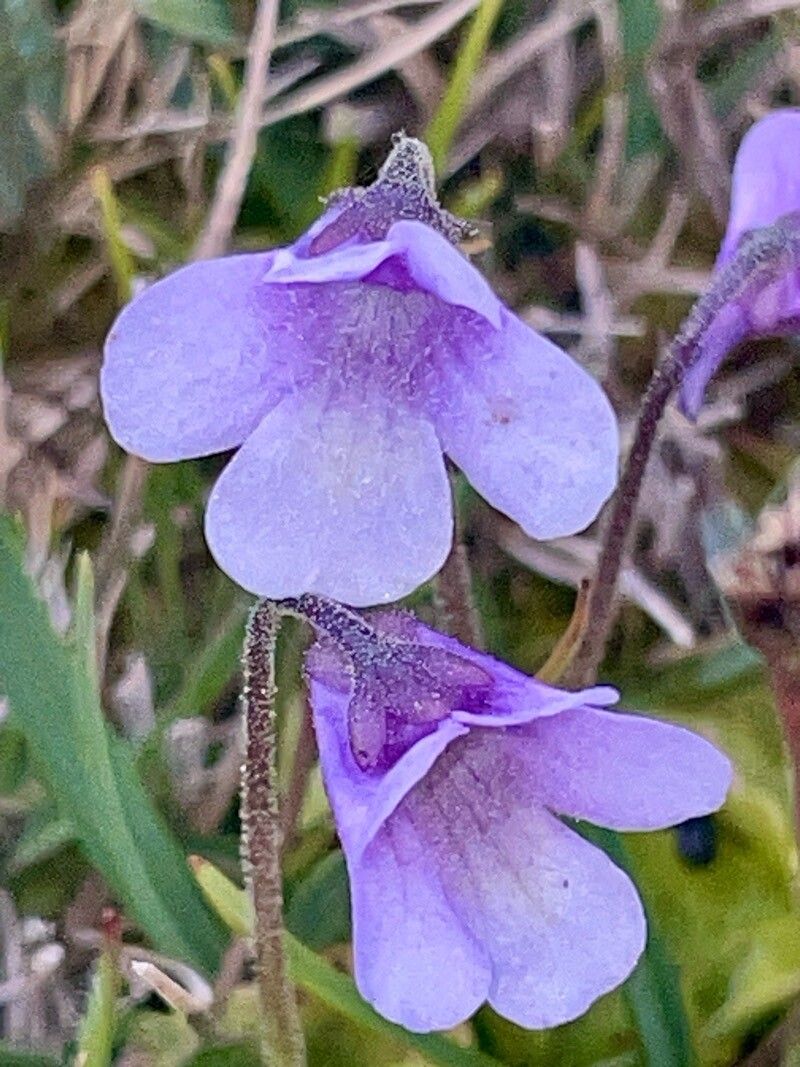
Before diving into propagation techniques, it’s helpful to understand the unique life cycle of the Pinguicula nevadensis. This species exhibits a distinct dormancy period during winter, where it forms small, tightly packed winter rosettes known as hibernacula. In spring, the plant emerges from dormancy, producing larger, carnivorous leaves. This is also the time when it blooms, boasting delicate purple flowers that add to its charm.
Propagation Methods: From Leaf Cuttings to Seeds
1. Leaf Cuttings:
Leaf cuttings offer a relatively straightforward propagation method for Pinguicula nevadensis. During the active growing season (spring to early fall), carefully remove a healthy leaf from the mother plant. Ensure you take a clean cut close to the base. Lay the leaf flat on a moist surface, such as a tray filled with a 50/50 mixture of peat moss and perlite, ensuring the cut end is in contact with the medium. Mist the cutting regularly, and cover the tray with a humidity dome or plastic wrap to create a humid environment. With patience, new plantlets will emerge from the leaf base within a few weeks.
2. Seed Propagation:
While slightly more challenging, propagating Pinguicula nevadensis from seed offers a rewarding experience. Obtain fresh seeds, as they tend to have higher germination rates. Sow the seeds directly onto the surface of a well-draining, acidic soil mix, mimicking their natural habitat. Maintain high humidity and consistent moisture, and provide bright, indirect light. Germination can take several weeks. Once the seedlings are large enough to handle, gently transplant them into individual pots.
Tips for Success:
- Patience is Key: Pinguicula nevadensis propagation, particularly from seed, requires patience. Don’t be discouraged if you don’t see results immediately.
- Provide Optimal Conditions: Recreate the plant’s natural environment as much as possible – bright, indirect light, high humidity, and a consistently moist but not waterlogged soil mix.
- Use the Right Medium: A well-draining, acidic medium is crucial. A mix of peat moss and perlite or a specialized carnivorous plant mix works well.
- Avoid Fertilizers: Carnivorous plants obtain nutrients from their prey, so avoid using fertilizers.
Propagating Pinguicula nevadensis is an enjoyable and rewarding way to expand your collection of these captivating carnivores. While it requires some patience and attention to detail, the satisfaction of nurturing new life from a leaf or seed is well worth the effort. So go ahead, try your hand at propagating these fascinating plants and marvel at the wonders of nature in your own home.