
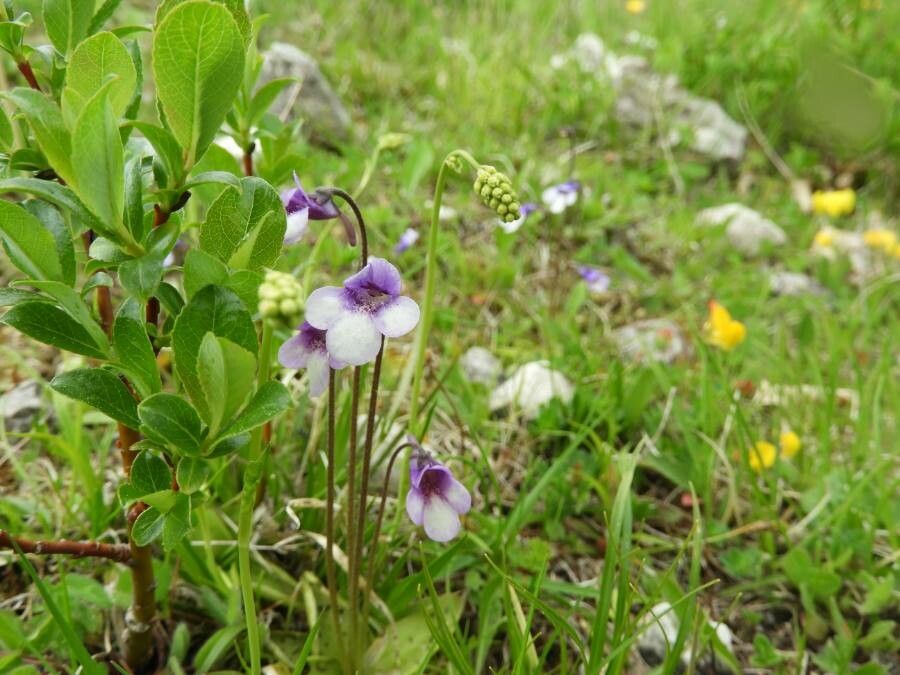
From One Butterwort to Many: The Joy of Propagating Pinguicula vulgaris
Have you ever been captivated by the beauty of a carnivorous plant? The Pinguicula vulgaris, commonly known as the common butterwort, is a captivating native European beauty. These fascinating plants, with their succulent, glistening leaves, are not only visually appealing but also incredibly easy to propagate.
This blog post will guide you through the world of butterwort propagation, explaining the different methods and offering tips for success. Whether you’re a seasoned carnivorous plant enthusiast or a curious beginner, get ready to unlock the secrets of multiplying your Pinguicula vulgaris collection!
Leaf Cuttings: The Simplest Method
This is perhaps the most accessible and rewarding propagation method for Pinguicula vulgaris. Simply follow these steps:
Select Healthy Leaves: Choose mature, healthy leaves from your mother plant. Avoid any damaged or diseased leaves.
Cut and Prepare: Using a sharp, clean blade, cut the leaves cleanly from the base. Gently remove any excess moisture from the cut end.
Potting Medium: Prepare a pot with a mixture of peat moss and perlite (a ratio of 2:1 is ideal). Ensure the mixture is moist but not soggy.
Plant and Care: Place the leaf cutting flat on the surface of the soil. Cover the pot with a clear plastic dome or bag to create a humid environment. Keep the soil consistently moist and place the pot in indirect sunlight.
- Patience is Key: It can take anywhere from a few weeks to a few months for new plantlets to emerge from the leaf cuttings. Be patient and observe your cuttings regularly.
Seed Propagation: A Long but Rewarding Journey
If you’re seeking a more challenging but rewarding experience, seed propagation is an excellent option. Here’s how:
Pollination: Pinguicula vulgaris can self-pollinate, so you don’t need multiple plants. However, hand-pollination can be more effective. Use a small brush to transfer pollen from one flower to another.
Seed Collection: Once the flowers wither, the seed pods will begin to form. Allow them to ripen fully before harvesting the seeds.
Sowing Seeds: Fill a small container with a seed starting mix, moistening it evenly. Scatter the seeds thinly on the surface and lightly press them into the soil. Do not cover them with soil.
Germination Conditions: Cover the container with a dome or plastic wrap to maintain humidity. Place it in bright, indirect light and maintain a temperature of 65-75°F (18-24°C) for successful germination.
- Patience is Key: Seed germination can take weeks or even months. Be patient and consistent with moisture levels.
Division: A Faster Way to Multiply
When your Pinguicula vulgaris reaches a substantial size, you can divide it to create multiple plants.
Prepare the Mother Plant: Gently remove the plant from its pot and carefully examine the root system.
Cutting the Plant: Use a sharp, clean knife to divide the plant into sections, ensuring each section has healthy roots and leaves.
Potting: Repot each section in a suitable pot with a peat moss and perlite mix, ensuring adequate drainage.
- Care: Water the newly potted plants thoroughly and provide them with bright, indirect light.
Tips for Success
- Cleanliness: Use sterile tools for all propagation methods to prevent fungal infections.
- Moisture Levels: Maintain consistent moisture but avoid overwatering, which can lead to root rot.
- Humidity: Provide a humid environment for your Pinguicula vulgaris during propagation.
- Patience: Propagation can take time. Be patient and focus on providing the right environment for your plants to thrive.
A Thriving Butterwort Family
Propagating your Pinguicula vulgaris is an incredibly rewarding experience. From the simple leaf cuttings to the more involved seed propagation, you can expand your collection and share the beauty of these fascinating plants with others.