
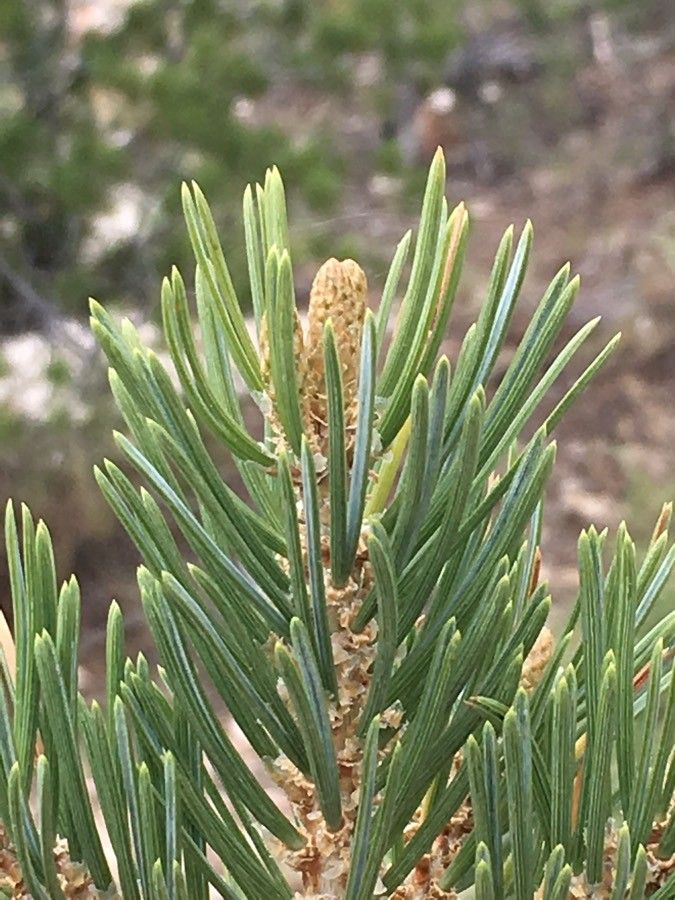
Pinyon Pine Propagation: Bringing a Taste of the Southwest to Your Garden
The pinyon pine (Pinus edulis) is a rugged and majestic tree, native to the American Southwest. Known for its slow growth, hardiness, and delicious edible pine nuts, the pinyon pine boasts a unique charm that makes it a coveted addition to gardens and landscapes. But how do you bring this iconic tree home?
Propagation: The Key to Expanding Your Pinyon Pine Family
The good news is that pinyon pines can be propagated through a variety of methods. While seed propagation is the most common, it also requires patience as seedlings take years to reach a substantial size. Here’s a closer look at the most effective propagation approaches:
1. Seed Propagation: A Challenging Yet Rewarding Journey
- Freshly harvested seeds are the most viable. Collect cones in the fall and allow them to dry. Extract the seeds and soak them in water for 24 hours.
- Sow seeds in a well-drained seed starting mix and keep them moist but not soggy.
- Pinyon pine seeds require cold stratification, a period of cold temperatures to stimulate germination. Place the seeds in a refrigerator for 6-8 weeks, or sow them directly outdoors in the fall.
- Germination can take several months. Be patient, as pinyon pines are known for their slow growth rate.
- After germination, provide adequate light and water, and gradually acclimate the seedlings to outdoor conditions before planting them in the garden.
2. Cuttings: A Faster Route, but with Limitations
- Pinyon pines can be propagated from cuttings, but it’s a more challenging method. Cuttings are typically taken from young, healthy branches in early spring or late summer.
- Use a sharp knife or pruning shears to make clean cuts, ensuring the cuttings are at least 4-6 inches long and include several buds.
- Dip the cut end in rooting hormone to encourage root development.
- Plant cuttings in a well-draining rooting medium and keep them moist and warm.
- Rooting can take several months, and not all cuttings will be successful.
3. Grafting: A Skilled Technique for Specific Traits
- Grafting involves attaching a scion (a cutting from a desired tree) to a rootstock (the base of another tree).
- This method allows you to reproduce specific traits, like disease resistance or desirable nut production, from a parent tree.
- Grafting requires significant expertise and is typically best left to experienced horticulturists.
Factors to Consider for Success
- Climate: Pinyon pines thrive in dry, sunny environments with well-drained soil. Ensure your chosen location mimics their natural habitat.
- Patience: These trees are slow-growing, so be prepared for a long-term commitment.
- Resources: Investing in a quality seed-starting mix is essential, and access to a cold stratification method is crucial for seed propagation.
Why Propagate Your Own Pinyon Pine?
Bringing a pinyon pine to life from seed or cutting is not only a satisfying experience but also offers unique benefits:
- Customization: You can choose the location and environment for your tree, ensuring it thrives.
- Conservation: Propagation contributes to the preservation of this iconic species.
- Pinyon Pine Nuts: Enjoy the delicious and nutritious nuts this species produces.
From Tiny Seeds to Mighty Trees
Propagating a pinyon pine is a rewarding endeavor. Whether you choose the patience-testing route of seed propagation or the more rapid approach of cuttings, your efforts will pave the way for a majestic and productive pinyon pine in your garden. Let this symbol of the Southwest stand as a testament to your green thumb!