
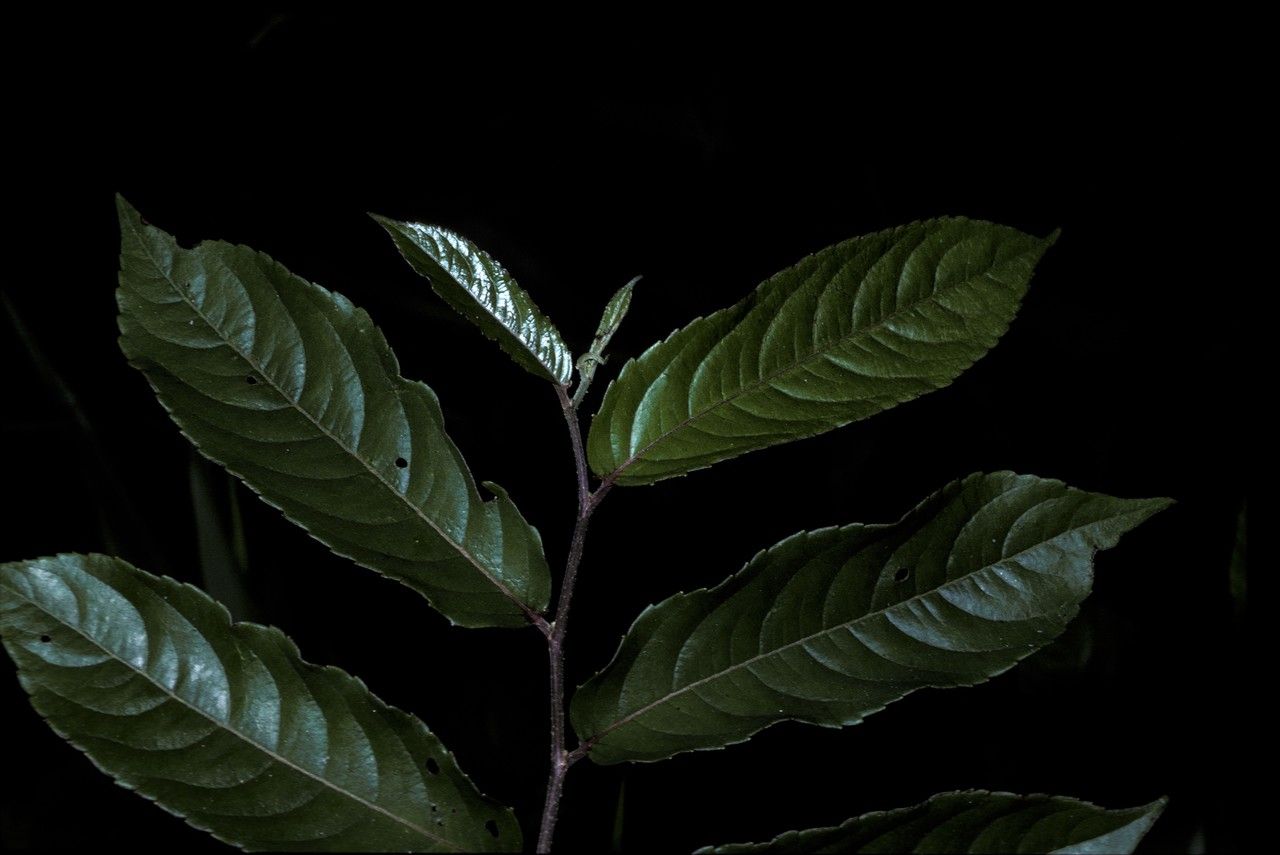
Unleashing a Floral Cascade: Propagating the Bountiful Piparea Multiflora
The Piparea multiflora, better known as the New Zealand Pepper Tree, is an enchanting evergreen shrub that promises a cascade of delicate, star-shaped flowers throughout the warmer months. With its glossy green foliage and an alluring aroma reminiscent of peppercorns, this plant makes a stunning addition to any garden. While readily available in nurseries, wouldn’t it be rewarding to multiply this beauty yourself? Let’s delve into the fascinating world of propagating Piparea multiflora, and unlock the secrets to welcoming more of these captivating shrubs into your life.
Two Paths to Propagation:
Luckily for gardening enthusiasts, Piparea multiflora offers two effective methods of propagation:
1. The Magic of Seeds:
- Harvesting: Begin your propagation journey in autumn, when clusters of small, berry-like fruits adorn your Piparea. These fruits house the precious seeds. Allow the berries to fully ripen on the branch, turning a deep purple-black, before gently crushing them to reveal the seeds within.
- Sowing: Embrace the change of seasons by sowing your seeds in late winter or early spring. Prepare a seed tray filled with well-drained seed-raising mix. Sprinkle the seeds evenly across the surface and lightly cover them with a thin layer of the mix. Maintain consistent moisture and warmth, and watch as tiny seedlings emerge in a few weeks.
- Transplanting: Once your seedlings develop a couple of true leaves, they’re ready for their individual pots. Fill small pots with a quality potting mix and gently transplant the seedlings, ensuring their delicate roots are undisturbed. Continue nurturing them in a sheltered area, gradually acclimatizing them to increased sunlight before their grand debut into the garden.
2. The Art of Cuttings:
- Timing is Key: Late spring or early summer, when your Piparea is bursting with new growth, is the ideal time for taking cuttings. Choose healthy, non-flowering stems, preferably from the current year’s growth.
- Taking the Cutting: Using clean, sharp pruning shears, take a cutting approximately 10-15cm long. Make a clean cut just below a leaf node. Remove the lower leaves, leaving 2-3 leaves at the top.
- Encouraging Roots: To give your cutting the best chance of success, dip the cut end in rooting hormone powder. Plant the cutting in a pot filled with a mix of peat moss and perlite, ensuring the bottom leaf node is submerged.
- Creating a Humid Haven: High humidity is crucial for successful rooting. Enclose the pot in a clear plastic bag or use a propagation dome to trap moisture. Place the pot in a bright spot, out of direct sunlight.
- Transplanting Success: In a few weeks, gently tug the cutting. If you feel resistance, it signifies roots have developed! Once the roots fill the pot, your new Piparea is ready to be transplanted into a larger pot or its designated space in the garden.
Nurturing Your Progeny:
Whether you choose the magic of seeds or the art of cuttings, newly propagated Piparea multiflora thrives in well-drained soil and a sunny to partially shaded location. Water regularly, especially during dry spells, and fertilize in spring with a balanced, slow-release fertilizer to ensure a spectacular floral display.
Successfully propagating Piparea multiflora isn’t just about multiplying your plant collection; it’s about experiencing the joy of nurturing new life, witnessing the remarkable resilience of nature, and ultimately, sharing the beauty of your creations with the world. Happy propagating!