
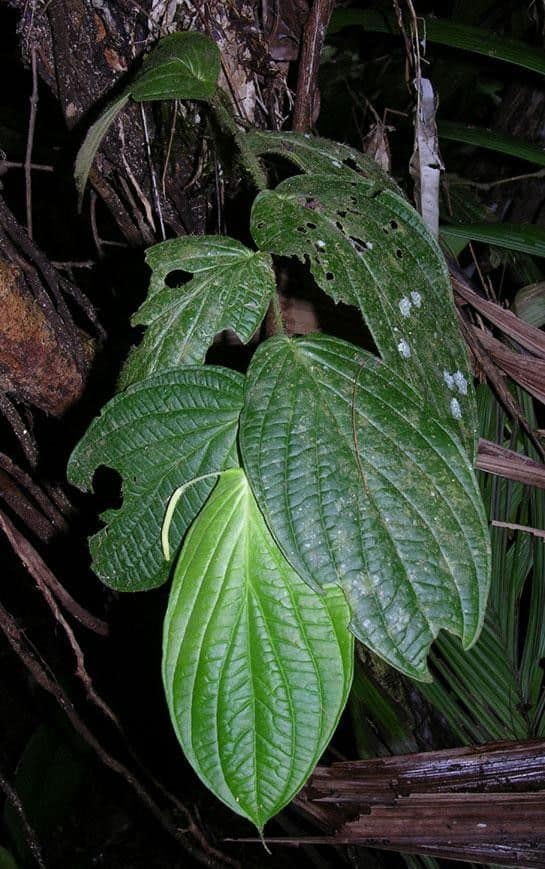
Unlocking the Secrets of Piper arcteacuminatum Propagation: Grow Your Own Spicy Delight!
Piper arcteacuminatum, perhaps not a name that rolls off the tongue easily, but certainly a plant worth getting familiar with. This intriguing species, part of the pepper family, boasts vibrant foliage and a fascinating growth habit. But beyond its aesthetic appeal, it holds a unique secret: the potential for a delightful, spicy kick. If you’re looking for a rewarding propagation project, this underappreciated plant might just be your next green obsession.
Two Paths to Propagation Success:
For Piper arcteacuminatum, you have two main propagation methods at your disposal:
1. Stem Cuttings: A Cut Above the Rest
Stem cuttings are the most common and reliable way to propagate this intriguing plant. Here’s a step-by-step guide:
- Timing is Key: Spring or early summer, when the plant is actively growing, offers the highest success rate.
- Take the Plunge (Cut): Select healthy stems, ideally with at least two nodes (small bumps where leaves emerge). Use clean, sharp shears to make a cut just below a node.
- Prepare the Cuttings: Remove leaves from the bottom node of each cutting. This encourages root development.
- Hormone Boost (Optional): Dipping the cut end in rooting hormone powder can enhance success rates, though it’s not strictly necessary.
- Planting Time: Plant the cuttings in a well-draining potting mix, burying the bottom node.
- Humidity is Key: Cover the pot with a plastic bag or use a humidity dome to create a humid environment. This prevents the cuttings from drying out while they establish roots.
- Patience, Young Padawan: Place the pot in a warm, brightly lit location, out of direct sunlight. Keep the soil consistently moist but not waterlogged. Rooting typically takes a few weeks.
2. Layering: Letting Nature Take Root
For those seeking a more hands-off approach, layering offers a slower, yet effective, propagation method:
- Choose a Stem: Select a healthy, flexible stem close to the ground.
- Wound the Stem: Carefully make a small wound on the underside of the stem, about halfway along its length.
- Anchor and Bury: Bend the wounded section of the stem down and secure it to the soil using a small stake or rock. Ensure the wounded area is in contact with the soil.
- Mother Knows Best: The buried portion of the stem will gradually develop roots, drawing nutrients from the mother plant.
- Separation Anxiety (Eventually): Once new growth appears from the layered section and roots are well-established, you can sever the connection to the mother plant and pot it independently.
Tips for Thriving Propagations:
- Well-Draining Soil: Piper arcteacuminatum prefers a light, airy soil mix. A combination of peat moss, perlite, and vermiculite works well.
- Bright, Indirect Light: Avoid placing newly propagated plants in direct sunlight, as this can scorch their delicate leaves.
- Consistent Moisture: Keep the soil evenly moist but avoid overwatering, which can lead to root rot.
- Warmth is Welcomed: Maintain a temperature range of 70-80°F (21-27°C) for optimal growth.
Propagating Piper arcteacuminatum might seem like venturing into uncharted territory, but with a little patience and care, you’ll be rewarded with new plant babies to expand your collection or share the spicy goodness with fellow plant enthusiasts. So, grab your gardening gloves and unlock the secrets of this intriguing plant – you won’t be disappointed!