
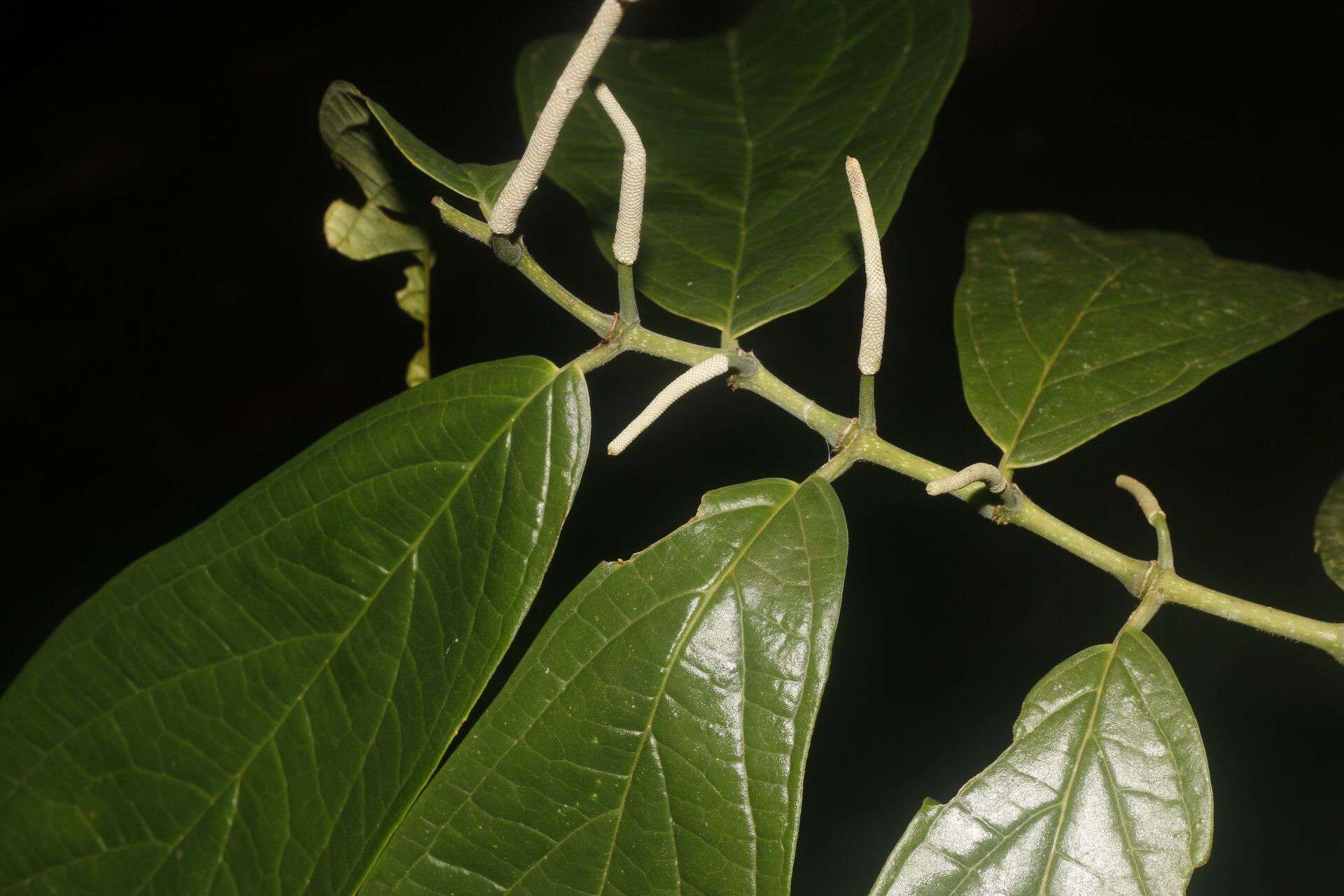
Unveiling the Secrets to Propagating the Enchanting Piper Barbulatum
The plant world is brimming with fascinating species, and among them sits the captivating Piper barbulatum. This tropical beauty, with its heart-shaped leaves and intricate veining, adds a touch of exotic allure to any home or garden. If you’re lucky enough to know someone with a Piper barbulatum, or you’ve been enchanted enough to purchase one, you might be wondering about the secrets to multiplying your leafy joy. Fear not, for propagating this captivating species is a rewarding endeavor even for beginner gardeners!
Understanding the Plant
Before diving into the specifics of propagation, it’s helpful to understand a bit about Piper barbulatum. Hailing from the tropical regions of South America, this plant thrives in warm, humid environments with dappled sunlight. This knowledge will be your guide as you create the ideal conditions for successful propagation.
Propagation Techniques
Two primary methods reign supreme when it comes to propagating Piper barbulatum:
1. Stem Cuttings:
- Timing is Key: Spring and early summer are the sweet spots for this method, capitalizing on the plant’s active growth phase.
- Choosing the Right Cuttings: Select healthy, non-flowering stems with at least two nodes (small bumps where leaves grow) on each cutting.
- Prep Work: Using clean, sharp scissors or a pruning knife, make a clean cut just below a node. Remove any leaves on the lower portion of the cutting, leaving a few at the top.
- Rooting Hormone (Optional): While not essential, dipping the cut end in rooting hormone can encourage faster root development.
- Planting the Cutting: Insert the cutting into a well-draining potting mix, burying at least one node.
- Creating a Humid Environment: Place the pot in a warm location with bright, indirect light. Cover it with a plastic bag or humidity dome to maintain moisture.
- Patience is a Virtue: Roots typically develop within 4-6 weeks. Once you see new growth, you can transplant your cutting into a larger pot.
2. Layering:
- The Gentle Art of Layering: This method involves encouraging roots to develop on a stem while it’s still attached to the mother plant.
- Making the Bend: Choose a healthy stem and gently bend it towards the soil.
- Creating the Wound: Make a small wound or scrape on the underside of the stem where it touches the soil. This encourages root formation.
- Securing the Layer: Bury the wounded section of the stem in the soil, using a small rock or stake to hold it down.
- Patience and Observation: Keep the soil consistently moist. After several weeks, gently tug on the layer to check for resistance, indicating successful rooting. Once roots are established, cut the new plant away from the mother plant.
Caring for Your Propagated Plants
Congratulations on successfully propagating your Piper barbulatum! Now, provide them with the right conditions to thrive:
- Light: Bright, indirect light is ideal.
- Water: Water regularly, allowing the top inch of soil to dry out between waterings. Avoid overwatering, which can lead to root rot.
- Humidity: This rainforest dweller appreciates high humidity. Consider using a humidifier or placing a tray of water near the plant.
- Fertilizer: Feed with a balanced liquid fertilizer during the growing season.
Propagating Piper barbulatum is a rewarding way to expand your plant family. With a bit of patience and care, you can enjoy the unique beauty of this tropical treasure for years to come.