
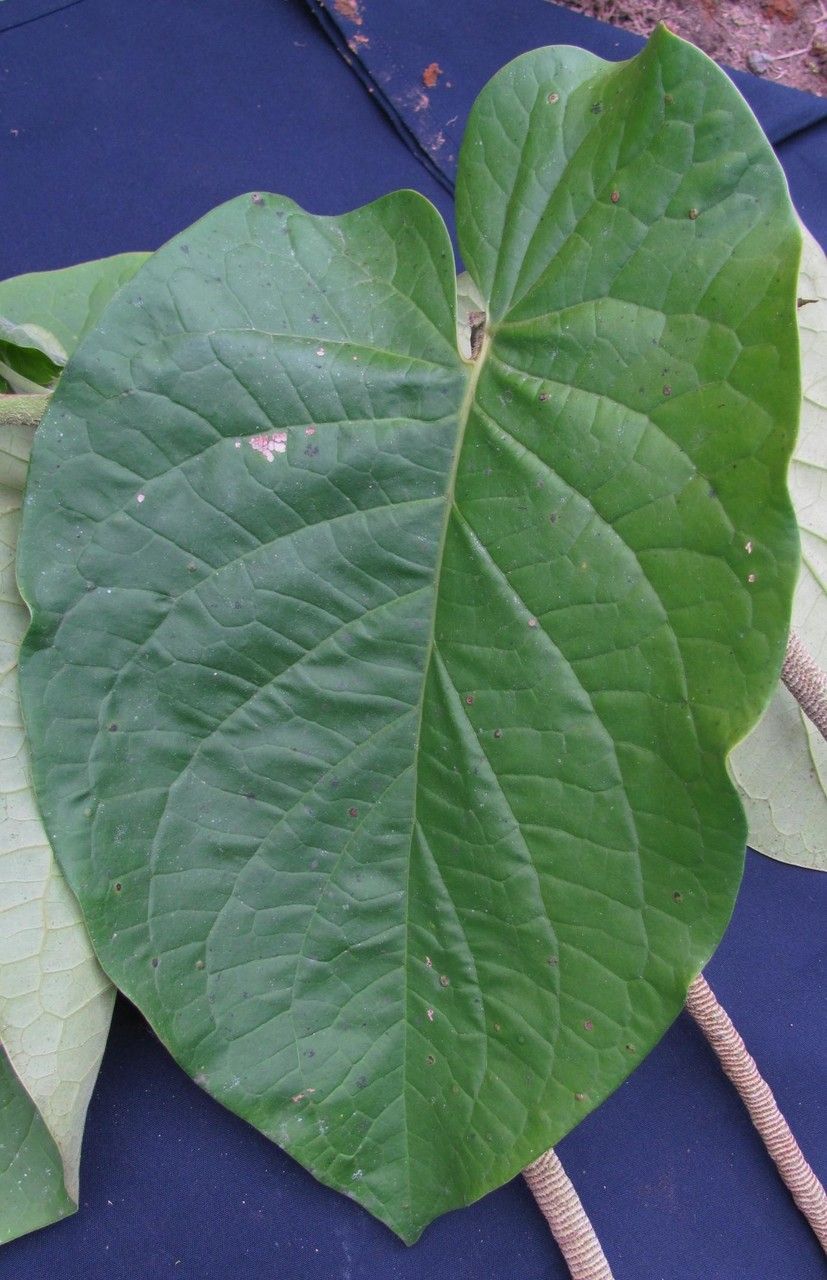
Unlocking the Jungle’s Secrets: Propagating the Exotic Piper ceibense
The world of houseplants is bursting with familiar faces, but sometimes, venturing beyond the ordinary leads to botanical treasures. Enter Piper ceibense, a tropical climber that captivates with its lush foliage and intriguing origins. Native to the rainforests of Central and South America, this relative of the pepper vine (yes, the one that gives us black pepper!) promises an exotic flair for any plant lover’s collection.
But before you rush out to buy a mature plant, consider this: propagating your own Piper ceibense can be a rewarding adventure. This plant, with its resilient nature, readily lends itself to propagation, making it possible to grow an entire jungle from just a few cuttings. Ready to unlock the secrets of propagating this exotic beauty? Let’s dig in!
Method 1: Stem Cuttings – A Classic Approach
Stem cuttings are your best bet for replicating the exact parent plant. Here’s how to do it:
Gather your tools: Clean, sharp pruning shears or a sharp knife, a small pot or tray, well-draining potting mix, and optionally, a rooting hormone (this speeds up the process but is not mandatory).
Select healthy stems: Look for vibrant green stems without any signs of damage or disease. Ideally, choose stems with at least two nodes (the little bumps where leaves emerge).
Make the cut: Cut a 4-6 inch section of the stem just below a node, ensuring a clean cut to prevent rot. Remove the leaves from the bottom inch of the cutting.
Hormone boost (optional): Dip the cut end in rooting hormone powder, following the package instructions.
Plant your cuttings: Plant the cuttings in the prepared pot with the bottom node buried in the moist potting mix.
Create a humid environment: Cover the pot with a clear plastic bag or use a humidity dome to create a mini greenhouse effect. This helps retain moisture and promotes root development.
Patience is key: Place the pot in a warm, bright spot, out of direct sunlight. Keep the soil consistently moist but not waterlogged. It can take several weeks for roots to develop.
- Transplanting success: Once you see new growth, gently tug on the cutting – resistance indicates successful rooting! You can now transplant your rooted cutting into its permanent pot.
Method 2: Layering – A Grounded Approach
Layering takes advantage of the plant’s natural ability to sprout roots along its stems. Here’s how to encourage this process:
Choose a flexible stem: Select a healthy stem close to the ground and identify a node.
Wound and bury: Lightly wound the stem at the node, encouraging root formation. Bury this section of the stem in a small pot of well-draining potting mix, leaving the remaining stem and leaves above the soil.
Secure and wait: Use a small rock or a U-shaped garden pin to keep the buried section in place. Keep the soil consistently moist and wait for roots to develop.
- Separation anxiety (don’t worry!): Once the layered section develops a strong root system, carefully cut it away from the parent plant and pot it up individually. Congratulations, you’ve propagated a new Piper ceibense!
Caring for your new propagations:
- Maintain a humid environment, especially in the early stages.
- Provide bright, indirect light.
- Water whenever the top inch of soil feels dry.
- Fertilize with a balanced fertilizer diluted to half strength during the growing season (spring and summer).
Propagating your own Piper ceibense is a rewarding experience that connects you with this fascinating plant in a whole new way. So put on your gardening gloves, embrace the green thumb within you, and watch your own piece of the rainforest thrive!