
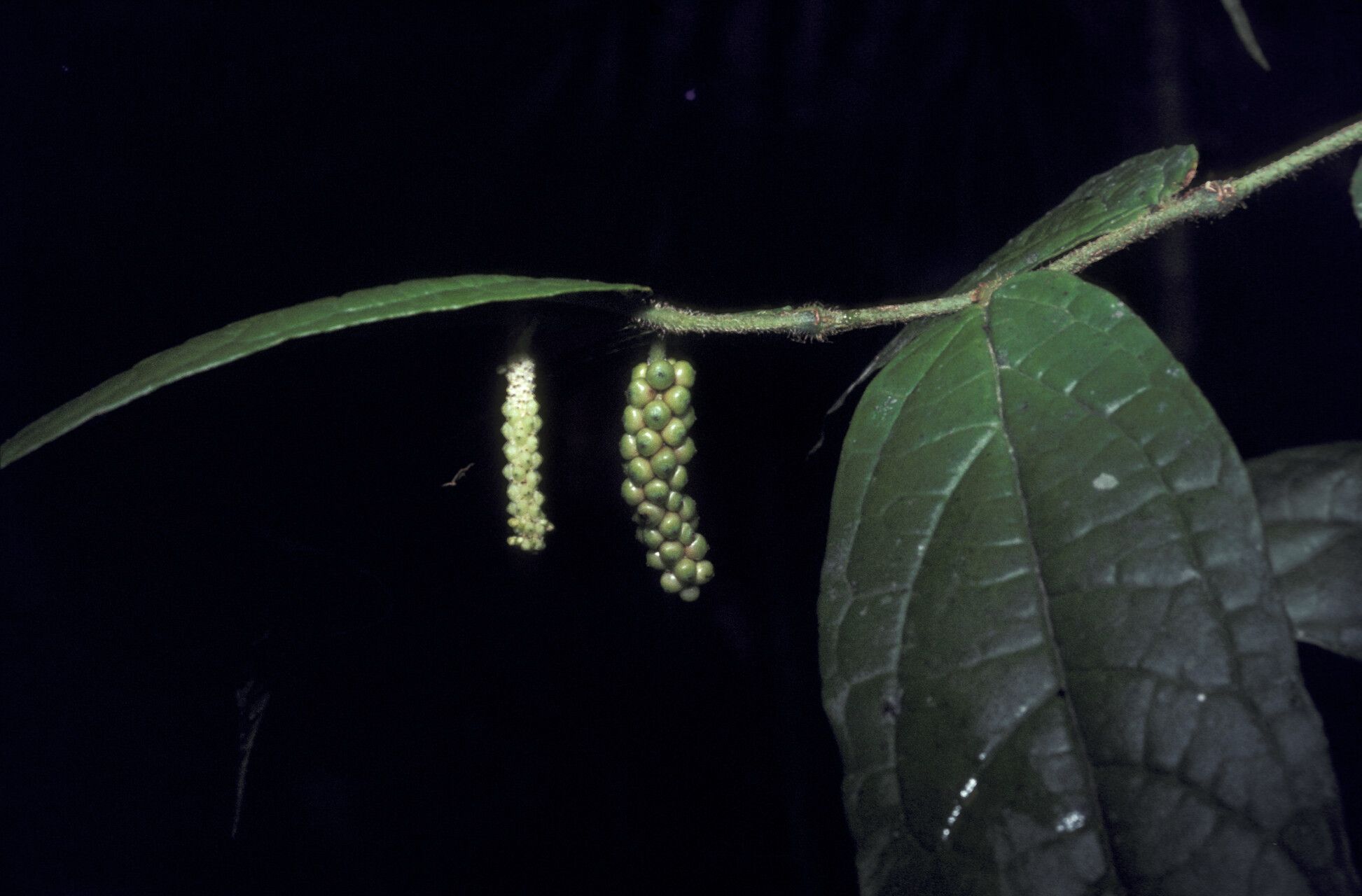
Unlocking the Secrets of Piper cyrtopodum: A Propagation Guide
Piper cyrtopodum, with its lush foliage and intriguing peppercorn-like fruit, is a captivating addition to any plant enthusiast’s collection. This tropical climber, native to Australia and parts of Southeast Asia, is surprisingly easy to propagate at home, allowing you to easily expand your indoor jungle or share the joy of this unique plant with others.
Methods for Success
Piper cyrtopodum is most commonly propagated through two methods: stem cuttings and layering.
1. Stem Cuttings: A Step-by-Step Guide
This method uses the plant’s natural ability to develop roots from stem segments. Here’s how to do it:
- Timing: Spring or early summer, when the plant is actively growing, is ideal for taking cuttings.
- Choosing the Cuttings: Select healthy, non-flowering stems. Each cutting should be about 4-6 inches long and have at least two sets of leaves.
- Preparing the Cuttings: Using a clean, sharp knife or pruning shears, make a cut just below a leaf node (the point where the leaf attaches to the stem). Remove the bottom set of leaves.
- Rooting Hormone (Optional): While not essential, dipping the cut end in rooting hormone can encourage faster and more successful rooting.
- Planting the Cuttings: Plant the cuttings in a well-draining potting mix, ensuring the bottom node is buried. A mix of peat moss, perlite, and vermiculite works well.
- Creating a Humid Environment: Cover the pot with a plastic bag or use a propagation box to maintain high humidity. This helps prevent the cuttings from drying out.
- Light and Water: Place the pot in a spot with bright, indirect light. Keep the soil consistently moist, but not waterlogged.
- Rooting Time: The cuttings should develop roots within 4-6 weeks. You’ll know they’re ready to be transplanted when you see new growth.
2. Layering: Encouraging Root Development on the Plant
Air layering is another effective technique for propagating Piper cyrtopodum, particularly for more mature plants.
- Selecting a Stem: Choose a healthy stem that’s flexible enough to bend down towards the soil.
- Wounding the Stem: Make a small, upward-angled cut about 1/3 of the way through the stem, just below a leaf node.
- Applying Rooting Hormone (Optional): You can apply a small amount of rooting hormone to the wounded area, although it’s not strictly necessary.
- Securing the Layer: Bury the wounded section of the stem in a pot filled with a well-draining potting mix, ensuring the leaves remain above the soil. You can use a small stake or rock to secure the stem in place.
- Patience is Key: It may take several weeks or even months for roots to develop. Once the layered section has formed a good root system, you can carefully cut it away from the parent plant and pot it up on its own.
Caring for Your New Plants
Once your Piper cyrtopodum cuttings or layers have successfully rooted, they will benefit from similar care to mature plants:
- Light: Bright, indirect light is ideal. Avoid direct sunlight, which can scorch the leaves.
- Water: Water thoroughly when the topsoil feels dry to the touch. Good drainage is essential to prevent root rot.
- Humidity: As a tropical plant, Piper cyrtopodum thrives in humid conditions. Misting the leaves regularly or placing the pot on a humidity tray can help replicate its natural environment.
- Temperature: Keep your plant in a warm spot with temperatures consistently above 60°F (15°C).
With a bit of patience and the right techniques, propagating Piper cyrtopodum can be a rewarding experience. Soon, you’ll have even more of this beautiful and intriguing plant to enjoy in your home.