
Unlocking the Secrets of Piper dactylostigmum Propagation: A Step-by-Stem Guide
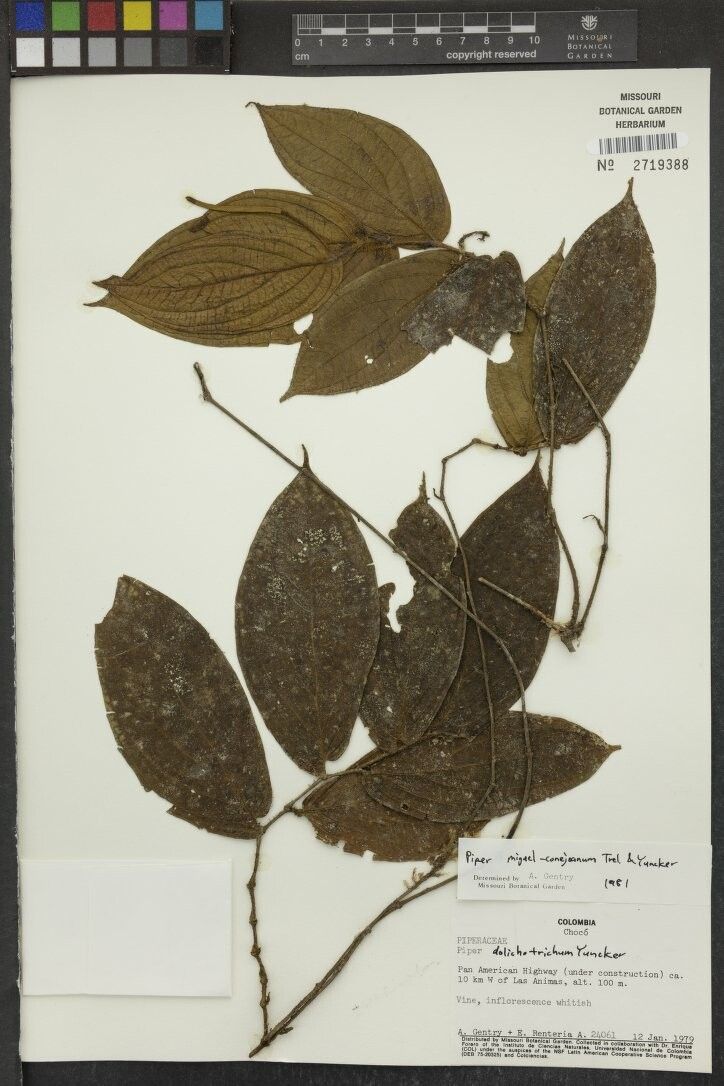
Piper dactylostigmum, while not as common as its black pepper cousin, is a fascinating plant with ornamental and potentially medicinal value. Native to South America, this climbing vine boasts vibrant green foliage and unique, finger-like flower spikes.
If you’re captivated by this botanical beauty and considering adding it to your collection, you’re in luck! Propagating Piper dactylostigmum, while not exactly mainstream knowledge, is achievable with a little patience and the right techniques. Let’s delve into the world of Piper dactylostigmum propagation:
The Power of Two: Stem Cuttings Reign Supreme
While seeds can be a route for propagation, they are rarely available and require very specific conditions to germinate. For the home grower, stem cuttings are the most effective and reliable method. Here’s your step-by-step guide:
1. Timing is Everything: Spring and early summer, when the plant is actively growing, are the optimal seasons for taking cuttings.
2. Selecting the Perfect Candidate: Choose healthy, non-flowering stems that are at least 4-6 inches long. Ideally, select stems with at least two nodes (the small bumps where leaves emerge).
3. Making the Cut: Using a sharp, sterilized knife or pruning shears, make a clean cut just below a node. Remove any leaves from the lower third of the cutting to prevent them from rotting in the growing medium.
4. Hormone Boost (Optional): While not strictly necessary, dipping the cut end in rooting hormone powder can encourage faster and more successful root development.
5. Choosing the Right Medium: A well-draining, airy medium is crucial. A mix of perlite and peat moss or coco coir works well. Ensure the chosen pot or tray has drainage holes.
6. Planting the Cutting: Make a small indentation in the prepared medium and gently insert the cutting. Firmly press the medium around the base to secure it.
7. Creating a Humid Environment: High humidity is key to successful rooting. Cover the pot with a clear plastic bag or use a humidity dome to create a mini-greenhouse effect.
8. Patience is Key: Place the cutting in a warm, bright location, out of direct sunlight. It may take several weeks to a couple of months for roots to develop.
9. Signs of Success: You’ll know your propagation has been successful when you see new growth emerging from the cutting.
10. Transplanting to its Forever Home: Once the cutting has established a healthy root system, you can transplant it to a larger pot with well-draining potting mix.
Beyond the Basics:
- Light: Piper dactylostigmum prefers bright, indirect light.
- Watering: Keep the soil consistently moist but not waterlogged.
- Temperature: A warm environment (around 70-80°F) is ideal.
- Fertilizing: Once established, fertilize every 4-6 weeks during the growing season with a balanced liquid fertilizer.
Propagating Piper dactylostigmum is a rewarding journey for any plant lover. With a little patience and care, you can multiply your collection and enjoy the unique beauty of this fascinating plant for years to come.