
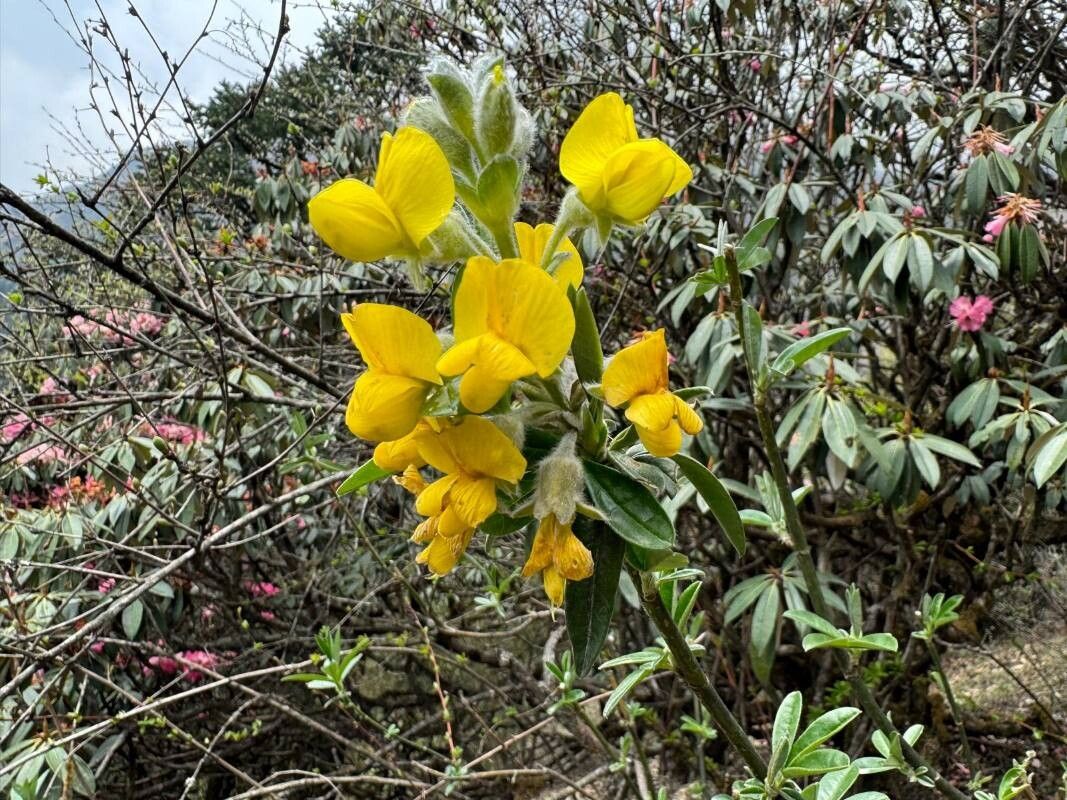
Unlocking the Secrets of the Himalayan Laburnum: Propagating Piptanthus nepalensis
The Piptanthus nepalensis, aptly nicknamed the “Himalayan Laburnum” for its cascading clusters of vibrant yellow flowers, brings a touch of exotic beauty to any garden. Native to the Himalayas, this resilient shrub thrives in cooler climates and offers a striking visual appeal with its pea-like blossoms. But did you know that propagating this captivating plant is an achievable feat, even for gardening enthusiasts of all levels?
This guide dives into the secrets of successfully multiplying your Piptanthus nepalensis, allowing you to share its splendor and dot your landscape with these sun-kissed blooms.
Two Paths to Propagation:
While the Himalayan Laburnum can be a bit temperamental, there are two primary methods you can employ for successful propagation:
1. Seed Propagation: A Test of Patience
Propagating from seed allows you to witness the entire lifecycle of your Piptanthus. However, be prepared to exercise patience, as this method yields slower results:
- Sourcing Seeds: Harvest mature seed pods in late summer or purchase seeds from a reputable supplier.
- Breaking Dormancy: Piptanthus seeds have a hard outer shell that necessitates scarification (lightly nicking the seed coat) followed by cold stratification (imitating winter conditions by storing seeds in a moist medium in the refrigerator for 6-8 weeks).
- Sowing: Plant seeds in a well-draining seed starting mix, lightly covering them with soil. Maintaining consistent moisture and a warm environment (around 70°F) is crucial for germination.
- Patience is Key: Seedlings can take several weeks to emerge. Thin out weaker seedlings to allow stronger ones to thrive.
2. Semi-Hardwood Cuttings: A Quicker Path to Success
If you’re looking for quicker results, semi-hardwood cuttings offer a viable alternative:
- Timing is Everything: The optimal time for taking cuttings is late summer or early fall when new growth has partially matured.
- Selecting Cuttings: Choose healthy, non-flowering stems that are around 4-6 inches long. Make a clean cut just below a leaf node.
- Preparing the Cuttings: Remove the lower leaves, leaving 2-3 pairs at the top. Dip the cut end in rooting hormone to encourage root development.
- Planting and Care: Plant the cuttings in a well-draining potting mix, ensuring the leaf nodes are below the soil line. Provide consistent moisture and humidity by covering the pot with a clear plastic bag to create a mini greenhouse.
- Transplanting Time: After several weeks, roots should start to develop. You can gently tug on the cutting—resistance indicates successful rooting. Transplant the rooted cuttings into individual pots or your desired garden location.
Tips for Thriving Himalayan Laburnums:
- Sunlight and Soil: Piptanthus nepalensis thrives in full sun to partial shade and prefers well-drained, slightly acidic soil.
- Watering Wisely: Water regularly during the first growing season to establish a strong root system. Once established, this drought-tolerant shrub requires less frequent watering.
- Pruning Power: Prune lightly after flowering to maintain shape and encourage bushier growth.
- Pest and Disease Control: Generally pest and disease-free, occasionally, aphids or powdery mildew may appear. Treat promptly with insecticidal soap or neem oil.
A Rewarding Endeavor
Propagating your Piptanthus nepalensis, while requiring a touch of patience and care, is an immensely rewarding experience. By understanding its preferences and following these propagation techniques, you can successfully multiply your Himalayan Laburnum, allowing its captivating beauty to grace your garden for years to come.