
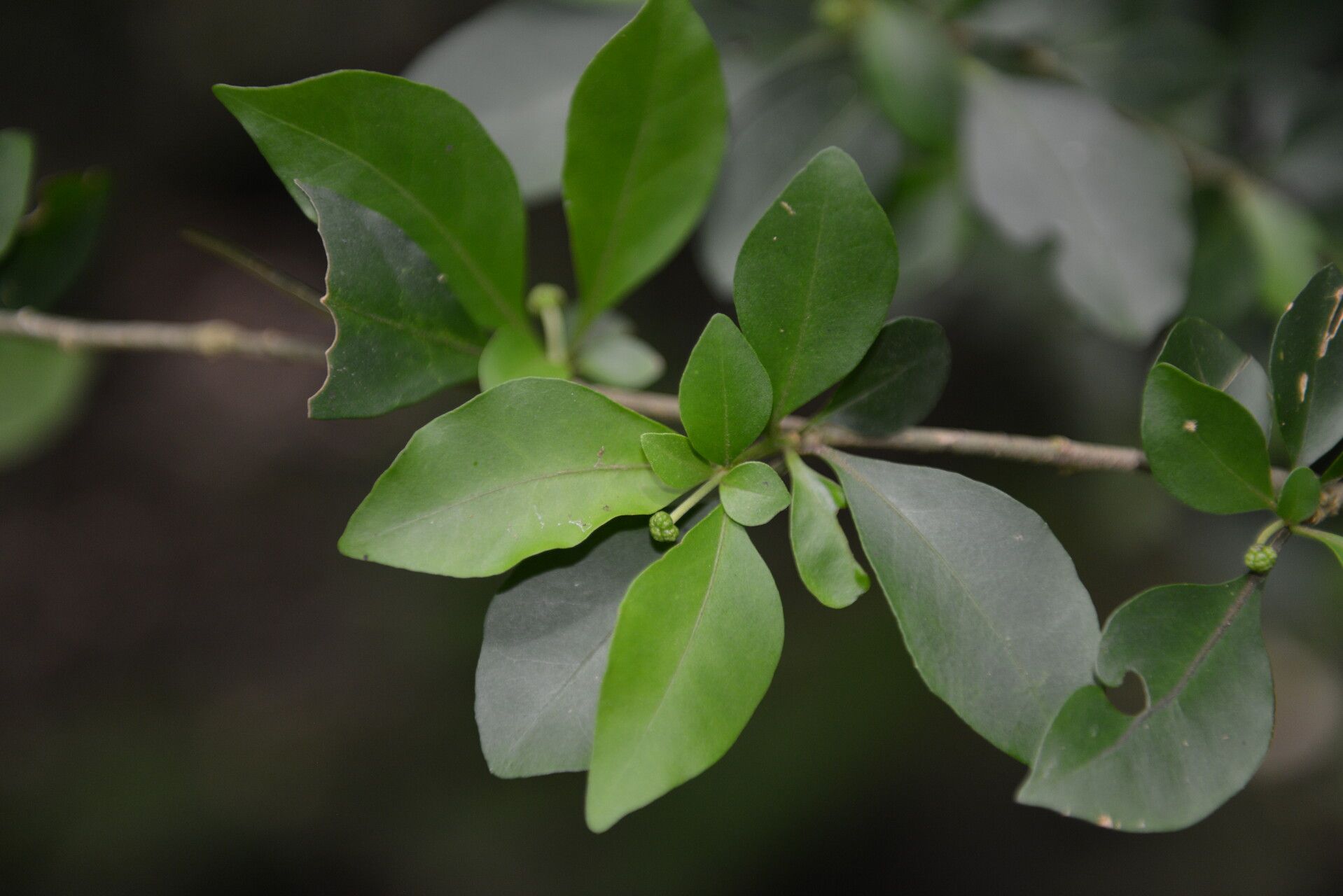
Taming the Birdcatcher Tree: Propagating Pisonia silvatica
The Pisonia silvatica, also known as the Birdcatcher Tree, is a fascinating plant shrouded in a somewhat sinister reputation. Native to islands in the Pacific and Indian Oceans, this tree is infamous for its incredibly sticky seeds that can ensnare small animals, sometimes fatally. While this may sound alarming, the Pisonia silvatica is an ecologically important species, and with proper care, its captivating growth habits and glossy leaves can be appreciated in cultivation.
For those interested in the challenge of growing their own Birdcatcher Tree, propagation is key. While notoriously tricky, success can be achieved with patience and these methods:
Understanding the Seed:
The seeds of the Pisonia are the most common propagation method. However, they come with their own set of quirks:
- Sticky Situation: The sticky substance on the seeds, while attracting birds in the wild, can hinder germination. Soaking the seeds in warm water for 24-48 hours, changing the water frequently, can help remove this sticky layer.
- Patience is Key: Pisonia seeds are known for their erratic germination rates. It can take anywhere from a few weeks to several months for them to sprout.
Sowing the Seed:
- Prepare the Potting Mix: Use a well-draining potting mix with a slightly acidic pH. A mix of peat moss, perlite, and sand works well.
- Sow the Seeds: Place the seeds on the surface of the potting mix and gently press them in, ensuring they are not completely buried.
- Provide Warmth and Moisture: Place the pot in a warm, brightly lit location, avoiding direct sunlight. Keep the soil consistently moist but not waterlogged.
- Be Patient: As mentioned earlier, germination can be slow and unpredictable. Don’t lose hope if you don’t see results immediately.
Alternative: Propagation from Cuttings:
While more challenging than seed propagation, it is possible to propagate Pisonia silvatica from cuttings:
- Take Cuttings: During the growing season, take semi-hardwood cuttings from healthy, mature branches.
- Prepare the Cuttings: Remove the leaves from the bottom inch of the cutting and dip the cut end in rooting hormone.
- Plant the Cuttings: Plant the cuttings in a well-draining potting mix, ensuring at least one node is buried.
- Provide Humidity: Cover the cuttings with a plastic bag or humidity dome to create a warm, humid environment.
- Be Patient(again!): Rooting can take several weeks. Once new growth appears, you can gradually acclimatize the cutting to normal humidity.
Caring for your Pisonia silvatica:
Once your Pisonia starts growing, remember these care tips:
- Light: Bright, indirect light is ideal. Avoid direct sunlight, which can scorch the leaves.
- Water: Water regularly, allowing the soil to dry slightly between watering. Good drainage is crucial to prevent root rot.
- Humidity: Pisonia thrives in humid environments. Mist the leaves regularly or place the pot on a pebble tray filled with water to increase humidity.
- Fertilizer: Feed your Pisonia with a balanced liquid fertilizer diluted to half strength during the growing season.
A Word of Caution:
While a fascinating plant, remember that all parts of the Pisonia silvatica are toxic if ingested. The sticky seeds can also be a nuisance. It’s best to avoid planting Pisonia silvatica in areas frequented by small children or pets, and wear gloves when handling the seeds.
Propagating and growing Pisonia silvatica requires patience and dedication, but the reward of having this unique and beautiful tree grace your home is well worth the effort. Just remember to treat the Birdcather Tree with respect and care, appreciating its intriguing nature from a safe distance.