
From Tiny Seed to Lush Landscape: Propagating the Mediterranean’s Aromatic Mastic Tree
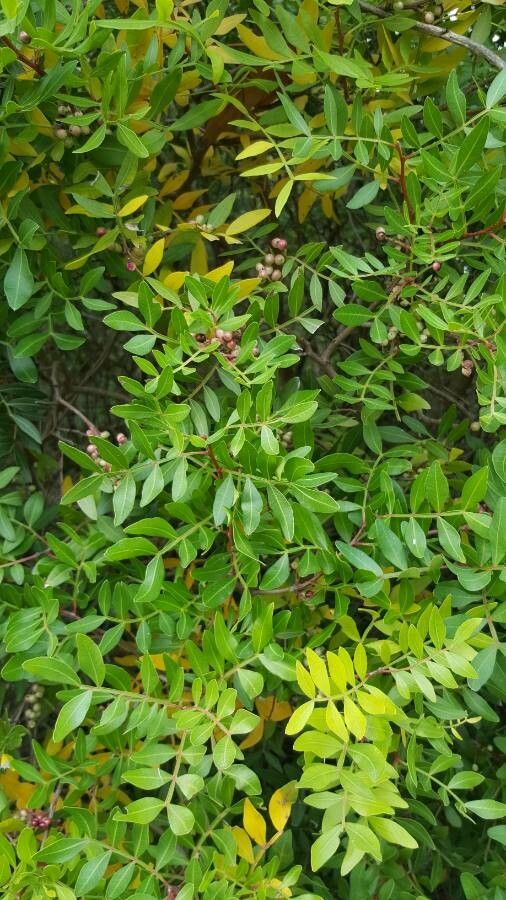
The Pistacia lentiscus, or Mastic Tree, is a captivating Mediterranean native with an ancient history and a captivating fragrance. This drought-tolerant evergreen is known for its aromatic resin, used for centuries in traditional medicine and culinary arts. But beyond its uses, the Mastic Tree offers an alluring beauty, with its leathery leaves and clusters of crimson berries. If you’re keen on cultivating your own patch of Mediterranean magic, propagating Pistacia lentiscus is a rewarding journey.
The Magic of Propagation:
Propagation offers a unique opportunity to grow your own Mastic Tree from scratch, using seeds or cuttings. Each method comes with its own set of advantages and disadvantages, allowing you to tailor your approach to your specific needs and resources.
From Seed to Sapling:
- Collecting Seeds: The journey begins with harvesting ripe berries from the plant in the late summer or early autumn. Carefully extract the seeds and clean them thoroughly, removing any lingering pulp.
- Stratification: Mastic Tree seeds require a period of cold stratification for successful germination. This process mimics the natural winter conditions they experience in their native habitat. Place the seeds in a sealed container with moist peat moss or vermiculite and store them in a refrigerator for 3-4 months.
- Sowing and Germination: After stratification, you can directly sow the seeds in a well-drained seed tray filled with a mix of potting soil and sand. Keep the soil consistently moist and maintain a warm temperature (around 70-75°F) for optimal germination. Expect seedlings to emerge within 6-8 weeks.
Growing from Cuttings:
- Harvesting Cuttings: Take semi-hardwood cuttings, approximately 4-6 inches long, from healthy stems during the late summer or early autumn. Ensure each cutting has at least two nodes (leaf buds).
- Rooting Hormone: Dip the cut end of each cutting into a rooting hormone powder or solution to stimulate root growth. This step is essential for success.
- Potting and Care: Plant the cuttings in a pot filled with a lightweight potting mix, leaving the top node exposed above the soil line. Keep the pot in a warm, humid environment with indirect sunlight.
Patience and Persistence:
Regardless of your chosen method, propagating Pistacia lentiscus requires patience and diligence. While germination and rooting may take some time, the journey is well worth it.
Care for Your Young Tree:
Once your Mastic Tree is established, provide it with a well-drained soil, ample sunshine, and regular watering, especially during the first year. You can prune it to maintain its desired shape and size. With proper care, your Pistacia lentiscus will eventually grace your landscape with its evergreen beauty and distinctive fragrance.
Concluding Thoughts:
Cultivating the Pistacia lentiscus from seeds or cuttings is a rewarding experience for any plant enthusiast. The journey offers a connection to the ancient origins of this culturally significant tree, bringing its captivating scent and evergreen beauty to your own landscape. With a little patience and dedication, you too can share in the joy of propagating the Mastic Tree and enjoying its unique charm for years to come.